Search Results for: control joint

Open paint buckets with yellow pink and green paint and paintbrush

Adding Color Hardener to Small Slabs: Broadcast Technique and Dust Control

Introduction Adding color hardener to small slabs means broadcasting a powdered pigment over fresh concrete and working it in for color and surface wear resistance. It’s a hands-on process that uses basic tools—buckets, shovels, hand floats, brushes—and color hardener product; check the product label and manufacturer instructions for coverage and timing. Do the broadcast in […]

Adding Color Hardener to Small Slabs: Broadcast Technique and Dust Control Read More »

close up of cracked gray concrete slab surface

Concrete Temperature Control on Small Pours: Hot Weather Tricks That Prevent Cracks

Introduction Concrete temperature control on small pours means managing the mix, the form, and the environment so the concrete cures steadily instead of drying too fast and cracking. In hot weather that means watching concrete temperature, shading the pour, keeping materials cool, and adjusting timing and water carefully. Think like a foreman: plan the pour

Concrete Temperature Control on Small Pours: Hot Weather Tricks That Prevent Cracks Read More »

Close-up of concrete expansion joint tooling with fresh concrete

Concrete Expansion Joint Sealants: Step-by-Step Application Timeline

Introduction Applying concrete expansion joint sealants is a crucial step in protecting your concrete surfaces from damage caused by movement and weathering. Understanding the timeline of this process helps you plan your project more effectively. Whether you’re working on a DIY project or managing a construction site, knowing how long each stage takes ensures that

Concrete Expansion Joint Sealants: Step-by-Step Application Timeline Read More »

Bucket of mortar with trowel amid stacked cardboard boards.

Thinset Coverage Troubleshooting: Spotting Starved Ridges, Dry Joints, and Trowel Problems Before Grout

Introduction Thinset coverage troubleshooting is the on‑site check to find areas where adhesive is too thin, has dry joints, or shows trowel-related defects before you grout. Think of it as walking the job, tapping tiles, and lifting a few to confirm full contact and correct buttering technique. Fixing issues now saves rework and loose tiles

Thinset Coverage Troubleshooting: Spotting Starved Ridges, Dry Joints, and Trowel Problems Before Grout Read More »

Worker installing drywall ceiling panel with cordless drill

Ceiling Drywall Without a Lift: Panel Control Tricks, Temporary Bracing, and Safer Cutting Sequences

Introduction Ceiling drywall without a lift means using hand techniques, temporary bracing, and smart cutting sequences to hold and fasten panels safely when you don’t have mechanical help. This is about controlling the panel, supporting it temporarily, and cutting in the right order so you don’t fight sag or drop a sheet. Think like a

Ceiling Drywall Without a Lift: Panel Control Tricks, Temporary Bracing, and Safer Cutting Sequences Read More »

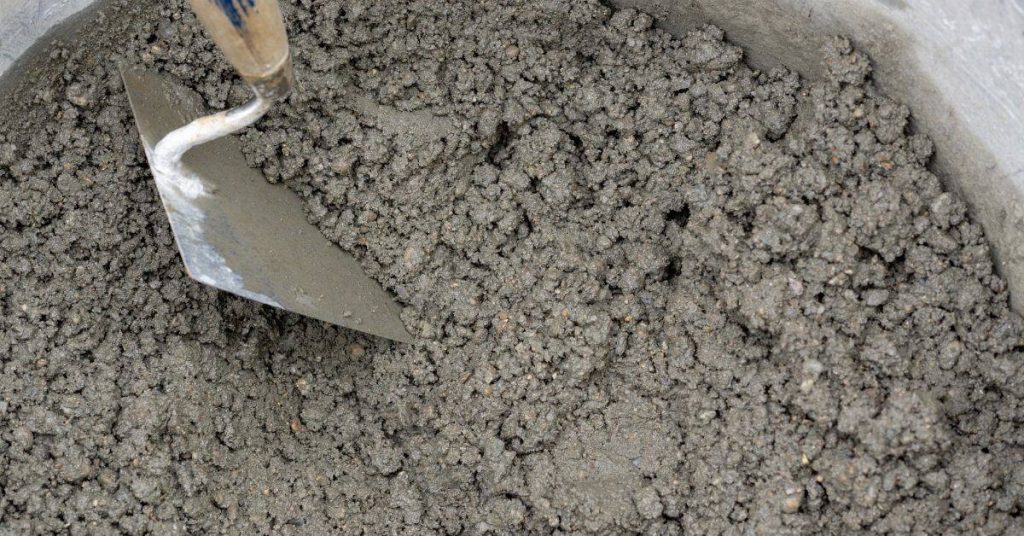
Close-up of wet mortar mix with a metal trowel in bucket

Rain Hit Your Fresh Mortar? Protection Steps, Damage Checks, and When You Need to Redo the Joint

Introduction Rain on fresh mortar can range from a minor nuisance to a ruinous washout depending on how soft the joint was and how long it was exposed, so act fast to protect and assess it. Cover undisturbed mortar with a breathable tarp or plastic supported off the joint until it firms, and check product

Rain Hit Your Fresh Mortar? Protection Steps, Damage Checks, and When You Need to Redo the Joint Read More »

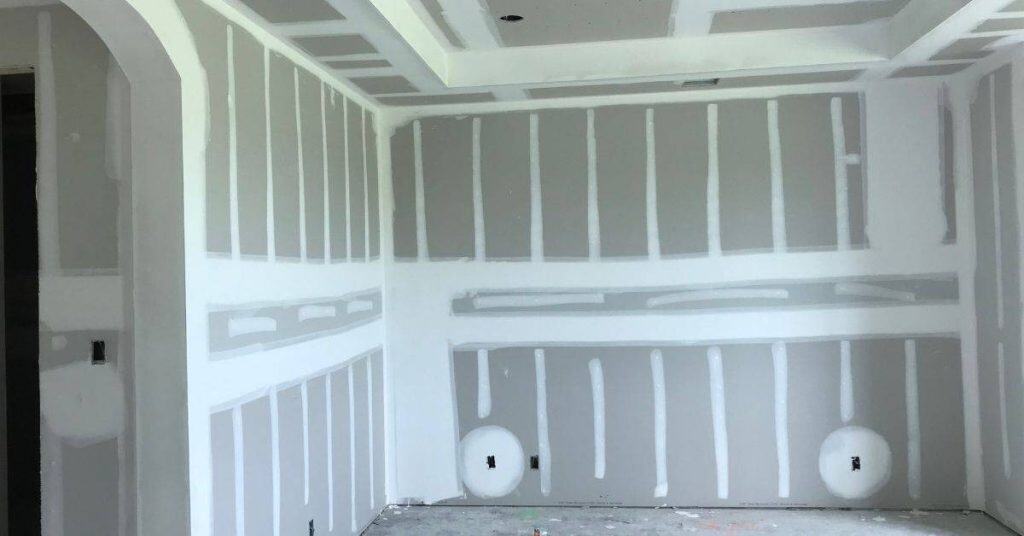
Interior walls with drywall joint tape and joint compound applied

Choosing Joint Tape: Paper vs. Fiberglass vs. FibaFuse (Use Cases and Failure Modes)

Introduction Joint tape is the thin strip that reinforces drywall joints when you compound them. Choosing between paper, fiberglass, and FibaFuse comes down to how you want the joint to behave and how much you’re willing to feather and sand. No matter which you pick, follow the product label and manufacturer instructions for application and

Choosing Joint Tape: Paper vs. Fiberglass vs. FibaFuse (Use Cases and Failure Modes) Read More »

Smooth white ceiling with recessed tray design and hanging bulb

How to Prevent Flashing at Joints Under Semi-Gloss Paint (Primer + Skim + Sand Workflow)

Introduction Flashing at joints under semi-gloss paint is when the edge of the joint shows through the finish due to imperfect sealing or adhesion. The fix is a careful primer, skim coat, and light sanding to smooth joints before applying the topcoat. Work from clean surfaces and match the paint system to the substrate, checking

How to Prevent Flashing at Joints Under Semi-Gloss Paint (Primer + Skim + Sand Workflow) Read More »

Interior walls with unfinished drywall and visible joint compound

How to Finish Drywall Over OSB/Sheathing Interior Walls (Adhesion and Joint Strategy)

Introduction Finishing drywall over OSB means applying drywall to bare OSB sheathing with proper bonding, taping, and joint methods. Before you start, confirm the OSB is clean, dry, and reasonably flat and plan how you’ll attach the drywall. This approach centers on solid adhesion and clean joints without compromising the panel. Use the methods and

How to Finish Drywall Over OSB/Sheathing Interior Walls (Adhesion and Joint Strategy) Read More »