Search Results for: control joint

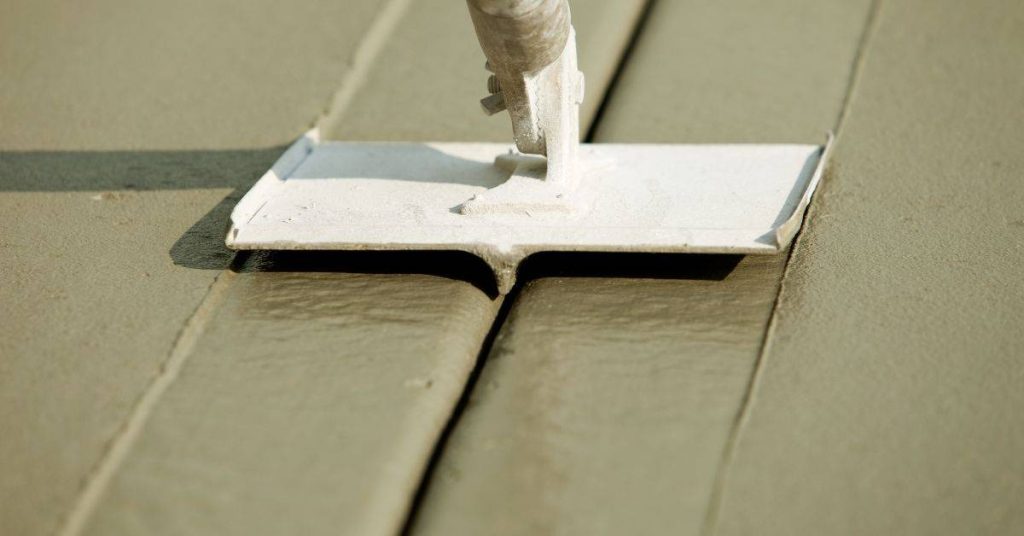
Hand using float tool smoothing fresh concrete joint

Polyurethane Crack Sealants in Concrete: Joint Prep, Backer Rod, and Tooling Tips

Introduction Polyurethane crack sealant is a flexible caulk used to fill and seal concrete joints and cracks to keep water and debris out while allowing movement. For a good DIY result, clean the joint, set an appropriate backer rod if the crack is deep or wide, and follow the sealant manufacturer’s instructions for temperature, priming, […]

Polyurethane Crack Sealants in Concrete: Joint Prep, Backer Rod, and Tooling Tips Read More »

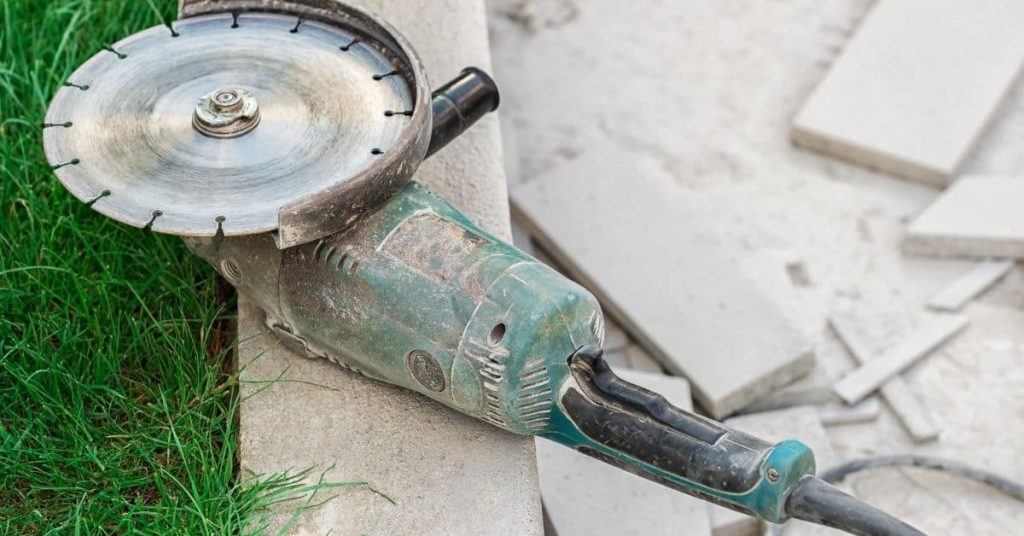
Angle grinder resting on concrete edge with cut concrete pieces

Concrete Joint Layout Around Columns and Corners: A Step-by-Step Timeline to Cut Random Cracks Off at the Pass

Introduction Planning concrete joint layout around columns and corners is a critical step in preventing random cracks. But with so many tasks on your construction timeline, it’s essential to understand how long this process takes. This guide walks you through each step of the process, providing a clear timeline to help you plan your project

Concrete Joint Layout Around Columns and Corners: A Step-by-Step Timeline to Cut Random Cracks Off at the Pass Read More »

Concrete wall surface with visible spalling damage

Concrete Spalling at Reentrant Corners: How to Cut Relief Joints That Stop Repeat Damage

Introduction Concrete spalling at reentrant corners is surface and edge breakdown where the inside corner of a slab or wall flakes, chips, or crumbles, and relief joints are cuts you make to interrupt stress paths so the same spot doesn’t fail again. In plain terms: you cut a controlled weak line near the corner to

Concrete Spalling at Reentrant Corners: How to Cut Relief Joints That Stop Repeat Damage Read More »

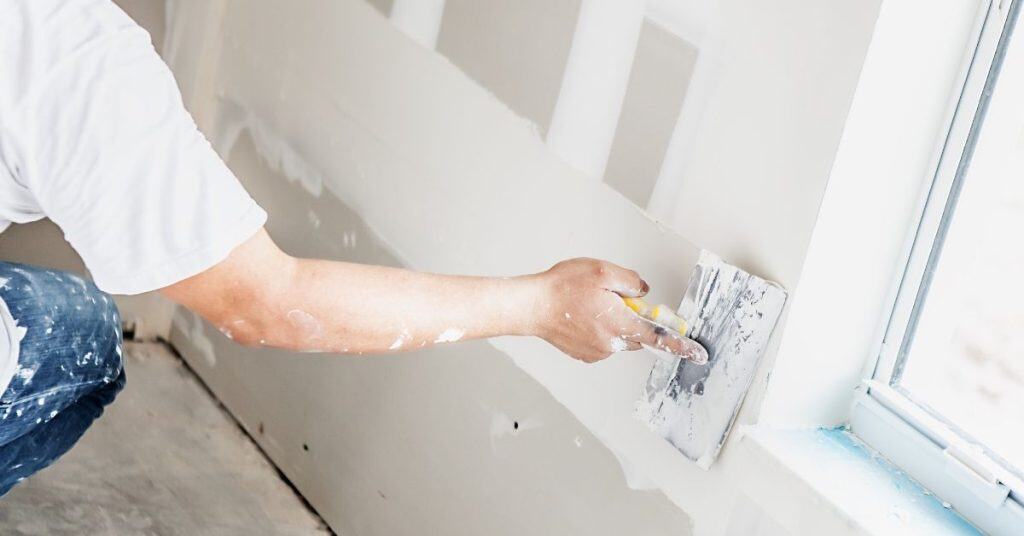
Person applying drywall joint compound near window

Choosing Plaster vs Joint Compound for Repairs: Durability, Sanding, and Paint Finish Differences

Introduction Plaster is a harder-setting wall finish made from cement- or gypsum-based mixes, while joint compound is a softer, gypsum-based product meant for taping and small repairs. For DIYers that means plaster will hold up better in high-traffic areas and where impact resistance matters, and joint compound is easier to apply and feather for small

Choosing Plaster vs Joint Compound for Repairs: Durability, Sanding, and Paint Finish Differences Read More »

Exterior stucco wall with scaffolding and windows

Stucco-to-Window Joint Leaks: Backer Rod Depth, Sealant Profiles, and Flashing Red Flags

Introduction Stucco-to-window joint leaks are failures where the seal between the stucco and the window lets water in, usually from improper backer rod depth, wrong sealant profile, or missing/incorrect flashing. Fixing them is about getting the joint depth right for the backer rod, choosing a compatible sealant, and making sure flashing directs water away from

Stucco-to-Window Joint Leaks: Backer Rod Depth, Sealant Profiles, and Flashing Red Flags Read More »

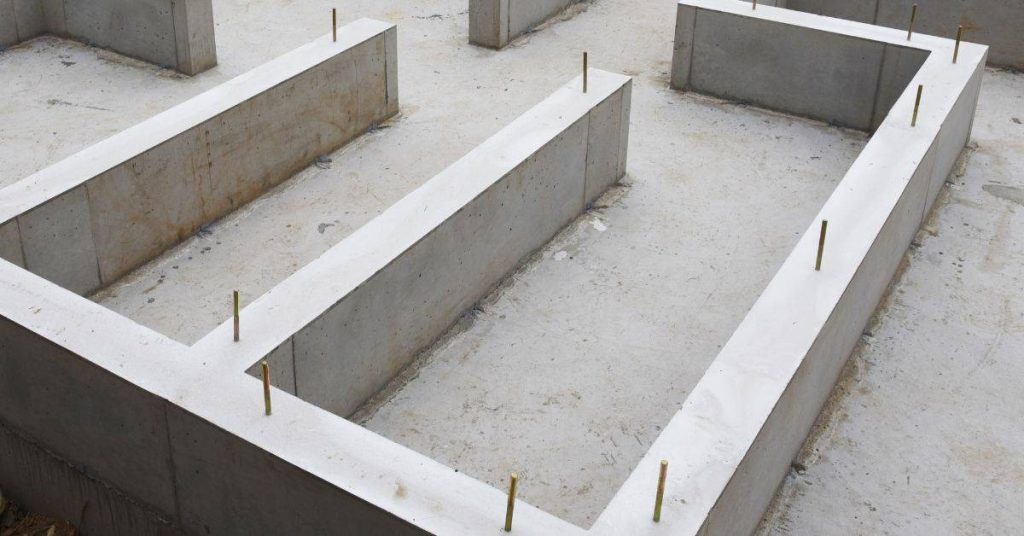
concrete foundation forms with metal rods embedded

How to Add a Concrete Splash Curb Along Siding: Forms, Expansion Joint, and Drainage

Introduction A concrete splash curb along siding is a small raised strip of concrete cast against the wall to deflect water away from the foundation and siding. It’s a hands-on job that involves forming a narrow curb, leaving a movement gap (expansion joint) where the curb meets the wall, and planning a path for water

How to Add a Concrete Splash Curb Along Siding: Forms, Expansion Joint, and Drainage Read More »

Concrete wall surface showing peeling and spalling damage

Concrete Spalling at Reentrant Corners: Cutting Relief Joints – A Step-by-Step Timeline

Introduction Tackling concrete spalling at reentrant corners can seem daunting, but with a clear plan and understanding of the timeline, you’ll find it’s a manageable DIY project. This step-by-step guide walks you through cutting relief joints to stop repeat damage, focusing on how long each stage takes. From initial inspection to final sealing, we’ve broken

Concrete Spalling at Reentrant Corners: Cutting Relief Joints – A Step-by-Step Timeline Read More »

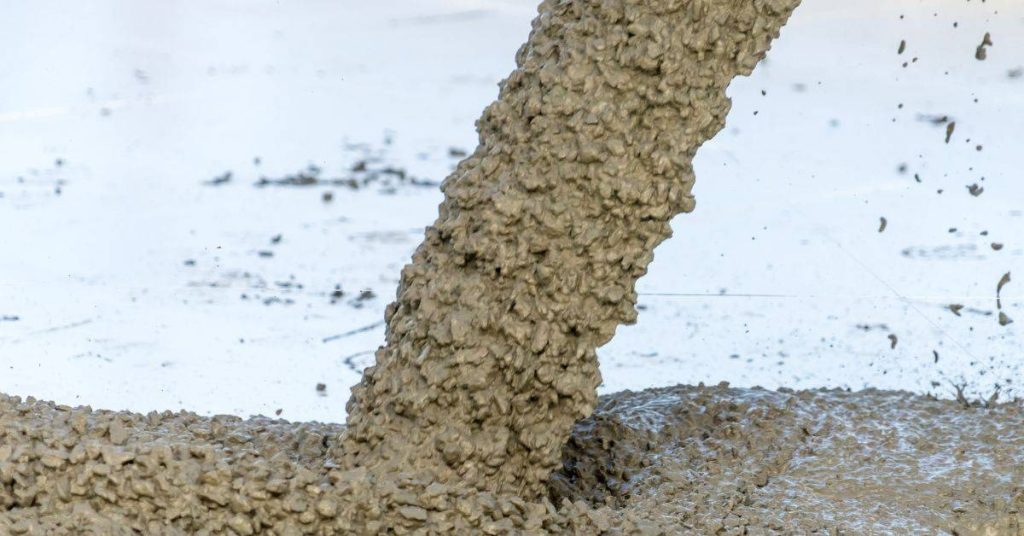
Wet concrete being poured onto a flat surface

Pouring Concrete Against Existing Asphalt: Joint Detail That Prevents Edge Break

Introduction Pouring concrete against existing asphalt requires a proper joint detail that keeps the concrete edge from chipping and lets the two materials move independently. In plain terms: create a clean separation with a compressible filler and a small gap so freeze‑thaw, traffic, or settling don’t break the concrete edge. Check product labels and local

Pouring Concrete Against Existing Asphalt: Joint Detail That Prevents Edge Break Read More »

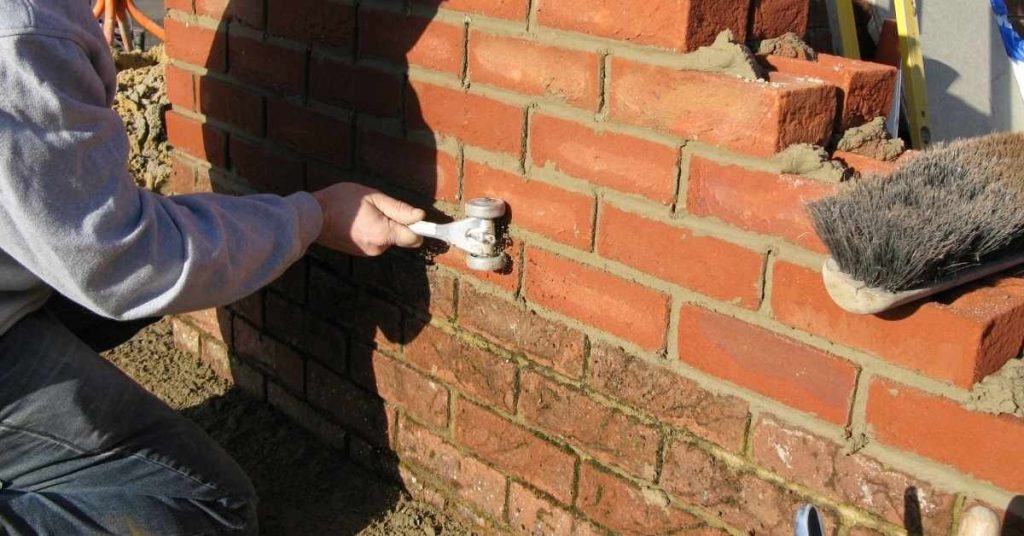
Person applying mortar to joints of brick wall with roller tool

Joint Backer Rod Sizing: How to Pick Diameter and Depth for Long-Lasting Seals

Introduction Joint backer rod sizing means choosing a rod diameter slightly larger than the joint opening and a depth that lets the sealant form the right profile; pick a rod that compresses to fill the gap and check the sealant or product label for recommended joint depth. Use backer rod when you need to control

Joint Backer Rod Sizing: How to Pick Diameter and Depth for Long-Lasting Seals Read More »

Trowel smoothing fresh concrete expansion joint sealant

Concrete Expansion Joint Sealants: Urethane vs Silicone vs Self-Leveling Formulas

Introduction Concrete expansion joint sealants are flexible materials used to fill and protect gaps in concrete so they can move without cracking; common DIY choices are urethane, silicone, and self-leveling formulas. Urethane is durable and bonds well to concrete but check the product label for cure time and surface prep; silicone stays flexible and resists

Concrete Expansion Joint Sealants: Urethane vs Silicone vs Self-Leveling Formulas Read More »