Search Results for: control joint

Worker in blue overalls and helmet painting wall yellow with roller

Alternatives to Painting Walls: Panels, Wallpaper, Textures, and Finishes

Introduction Alternatives to painting walls are other surface finishes you can apply to change a room’s look without a fresh coat of paint. This guide stays practical—panels, wallpaper, textures, and different finishes can be installed or applied by a DIYer with common tools. I’ll keep it plain and honest, with steps you can check against […]

Alternatives to Painting Walls: Panels, Wallpaper, Textures, and Finishes Read More »

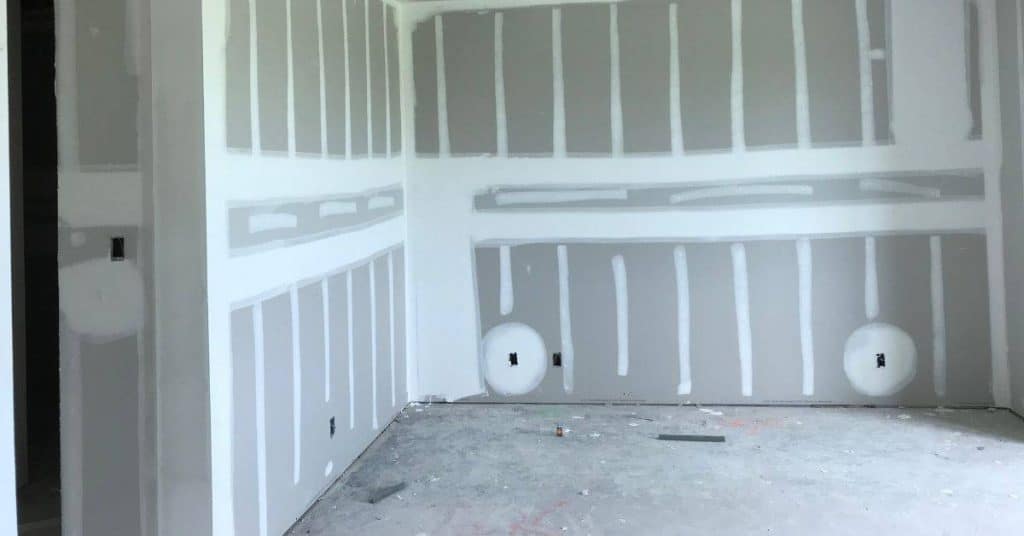
Drywall sheets with taped and mudded joints in room corner

Drywall Install: Common Mistakes and How to Avoid Callbacks

Introduction Drywall install mistakes are issues in openings, securing, and finishing that trigger callbacks. This article calls out common errors and shows how to tackle them during your project. Expect plain, hands-on tips you can apply when you frame, measure, and hang sheets. Common gaps to watch for include incorrect measurements for openings, poor flashing

Drywall Install: Common Mistakes and How to Avoid Callbacks Read More »

Close-up of weathered pink stucco wall showing texture variations

Backrolling After Spraying: When It Improves Adhesion and When It Ruins Texture

Introduction Backrolling after spraying is a technique where you roll over a sprayed coat to improve adhesion and texture control. It can help bond the coating to the surface and even out the texture, but overdoing it can ruin the finish. Always check the product label and manufacturer guidance, and test on a small area

Backrolling After Spraying: When It Improves Adhesion and When It Ruins Texture Read More »

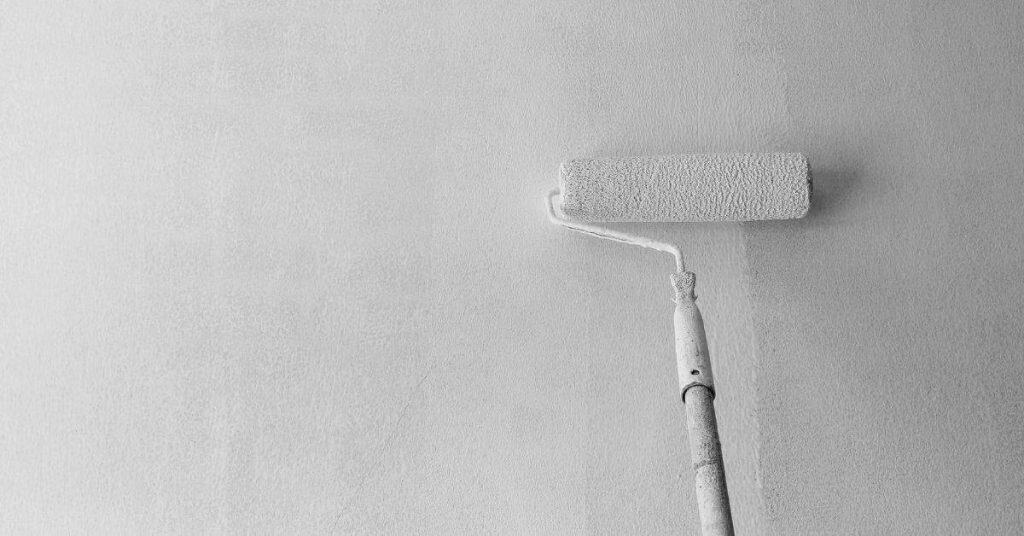
paint roller applying white paint on textured wall

Alligatoring Paint: What It Means and When You Need to Strip

Introduction Alligatoring paint is a surface condition where the film cracks into finger-like ridges that resemble alligator skin. This happens when the old coating becomes brittle or loses adhesion to the substrate. The result is a rough, uneven finish that often signals it’s time to address the finish before repainting. Deciding whether to strip depends

Alligatoring Paint: What It Means and When You Need to Strip Read More »

Close-up of smooth blue painted masonry wall surface

Alkali Burn on Painted Masonry: Why New Concrete Eats Paint and How to Stop It

Introduction Alkali burn on painted masonry is when fresh concrete releases alkaline moisture that blisters or strips paint. It often happens when the surface dries too fast or the paint isn’t compatible with the concrete’s chemistry. To stop it, protect the surface during curing and follow proper painting and cleaning steps per the product labels.

Alkali Burn on Painted Masonry: Why New Concrete Eats Paint and How to Stop It Read More »

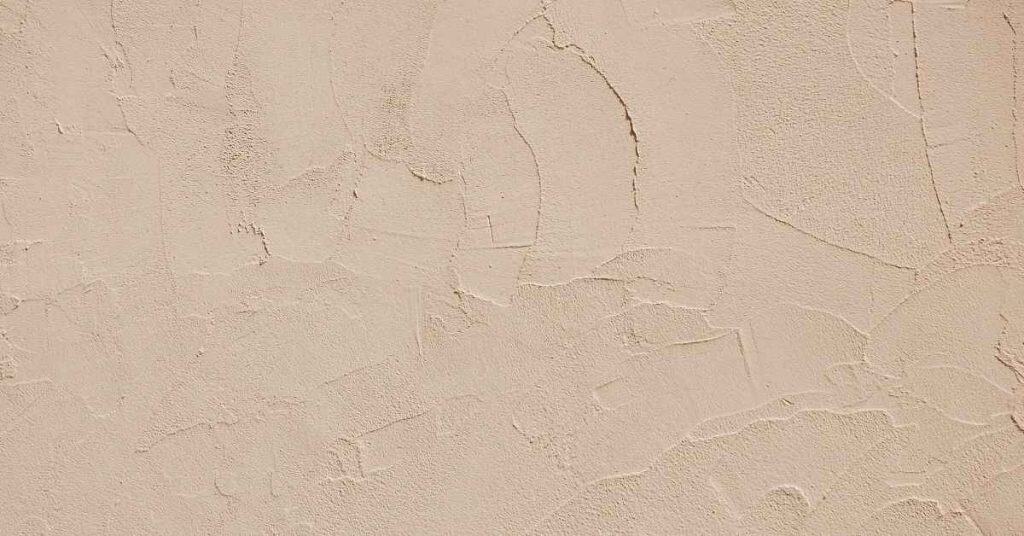
Close-up of textured beige stucco wall surface

Surfactant Damage on Stucco Coatings: What to Check Before You Repaint

Introduction Surfactant damage on stucco coatings happens when cleaners leave residues that affect adhesion and finish. In plain terms, you might see streaks, halos, or softness where the coating meets the wall. Before repainting, check for residue depth, film buildup, and any moisture issues that could be aggravated by detergents. Then do a simple test

Surfactant Damage on Stucco Coatings: What to Check Before You Repaint Read More »

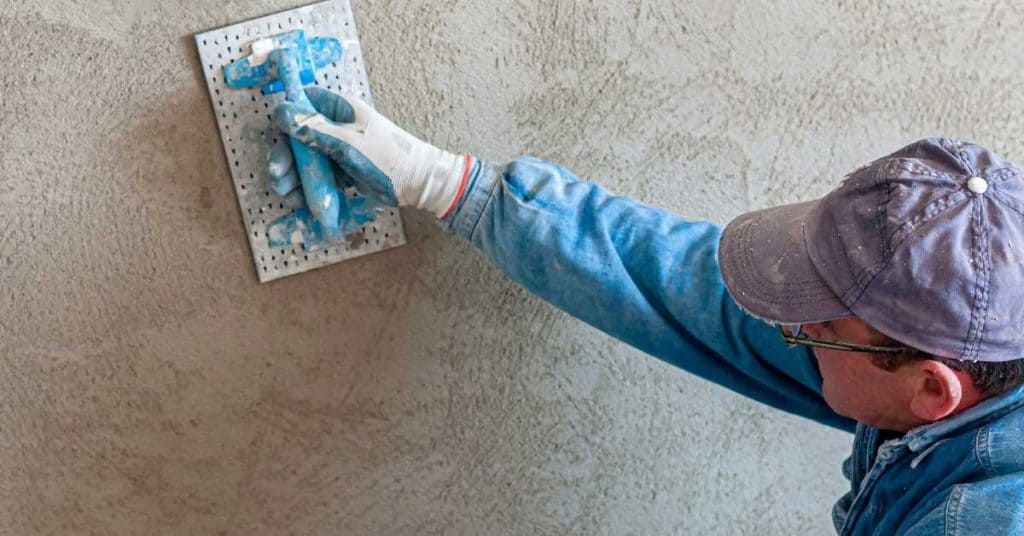
Worker applying textured stucco with a blue trowel

Stucco Texture Options That Hide Repairs: Sand Float, Dash, and Skip Trowel

Introduction Sand float, dash, and skip trowel are stucco textures that help hide repairs. They each use different hand angles and apply techniques to create patterns that blend in with the existing wall. You’ll pick based on the surface and how rough you want the finish, and you should check product labels or manufacturer guidance

Stucco Texture Options That Hide Repairs: Sand Float, Dash, and Skip Trowel Read More »