Search Results for: control joint

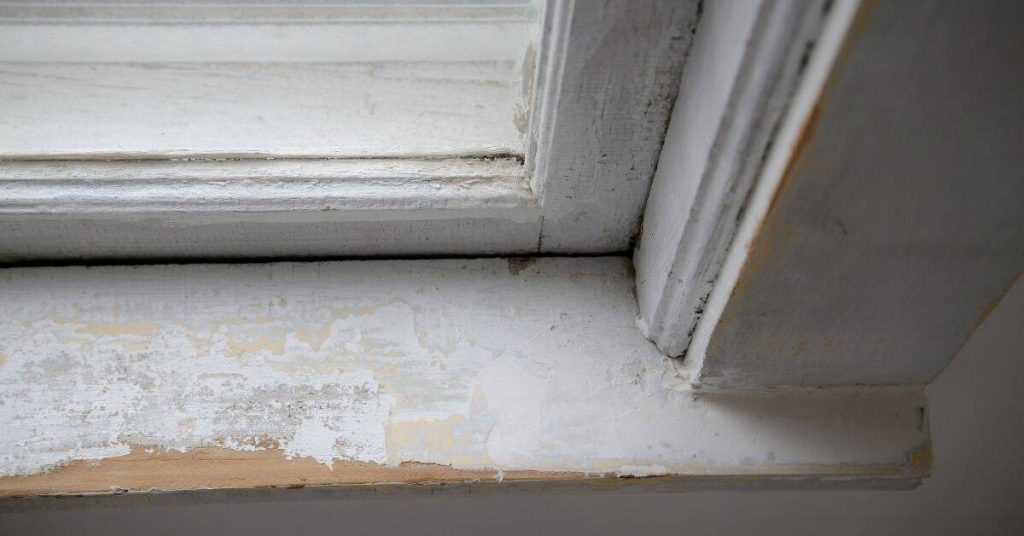
Close-up of peeling paint on white exterior wooden window trim

Paint Peeling on Exterior Trim: Moisture Checks and Prep That Works

Introduction Peeling exterior trim paint is the finish flaking off due to moisture invading the surface. Before you redo it, check for moisture and prepare the area so you can scrub and inspect properly. This article walks you through pressure washing, scraping, and priming in a hands-on way. Start by cleaning with pressure washing, then […]

Paint Peeling on Exterior Trim: Moisture Checks and Prep That Works Read More »
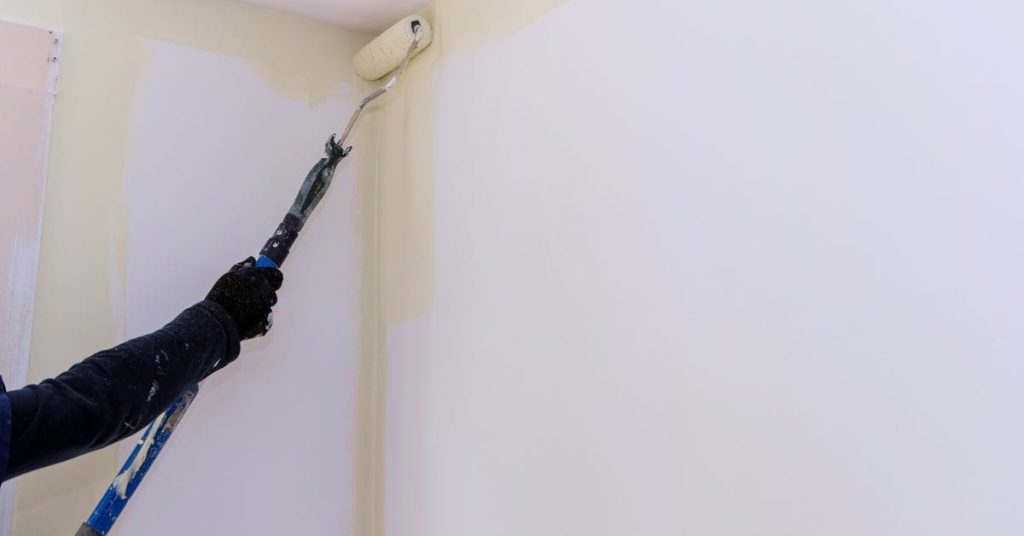
Hand painting wall corner with roller

Wall Painting Checklist: What to Inspect, Measure, and Repair for a Lasting Finish

Introduction Wall painting checklist is a practical, step-by-step guide to inspect, measure, and repair walls before painting. It helps you spot cracks, peeling paint, stains, and uneven surfaces so you can plan the work. Use it to map prep steps, materials, and timelines so the finish lasts longer. If permits apply in your area, check

Wall Painting Checklist: What to Inspect, Measure, and Repair for a Lasting Finish Read More »

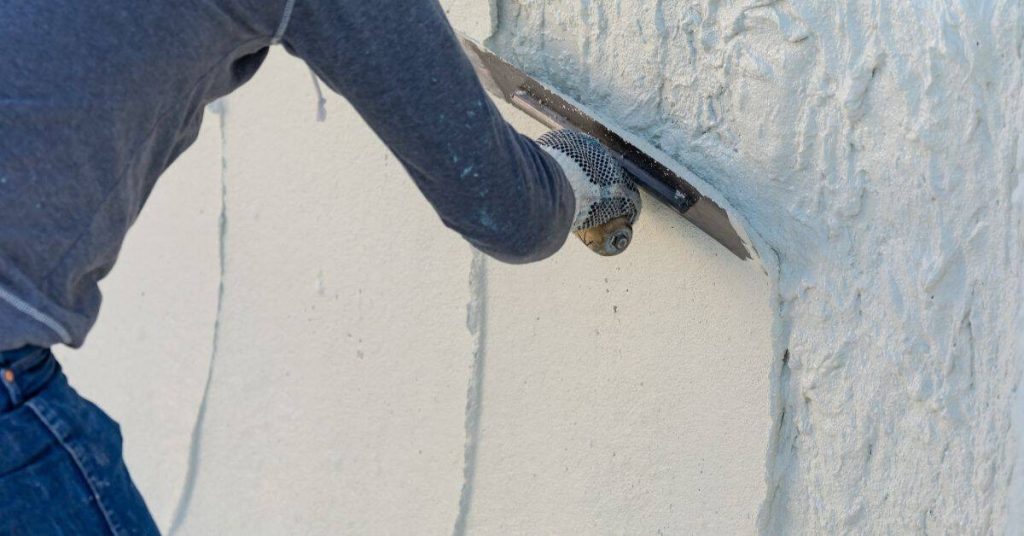
Person smoothing wet stucco on wall with trowel

Decorating Stucco Siding: Safe Ways to Hang, Mount, and Upgrade

Introduction Decorating stucco siding means safely hanging, mounting, and upgrading items on stucco surfaces. This article shares practical methods and the checks you should make before you start. Stucco is a exterior finish that requires the right fasteners and proper installation. From stucco screws and anchors to hot-melt glue and adhesive strips or hooks, we’ll

Decorating Stucco Siding: Safe Ways to Hang, Mount, and Upgrade Read More »

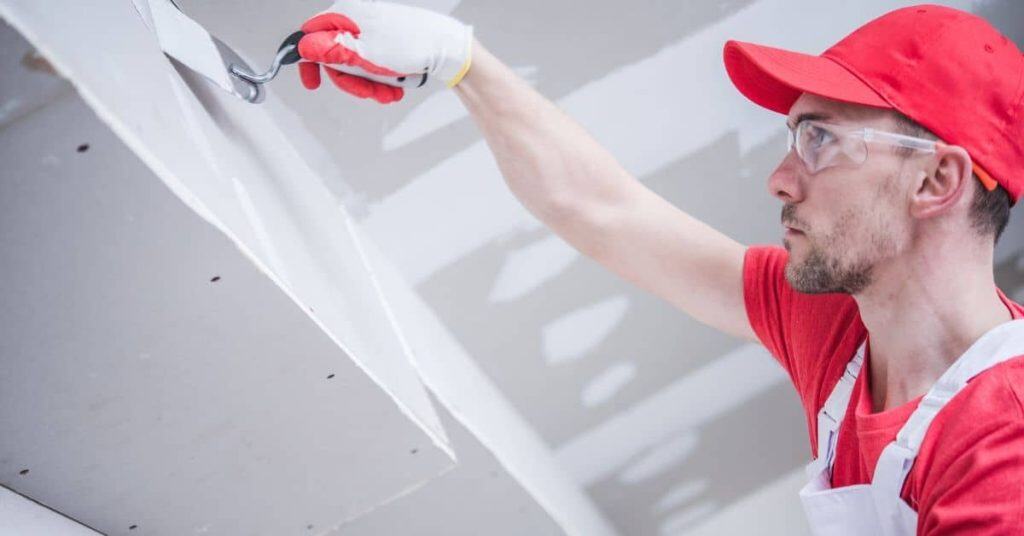
Man applying joint compound to drywall ceiling

Working with Drywall: Layout, Cutting, Fastening, and Finishing Tips

Introduction Drywall work is the hands-on process of laying out panels, cutting to fit, screwing them in, and smoothing the joints. You’ll want clean lines, solid fasteners, and a plan for seams before you start hanging sheets. Keep your tools ready and work methodically from room to room to avoid rework. Pay attention to butt

Working with Drywall: Layout, Cutting, Fastening, and Finishing Tips Read More »

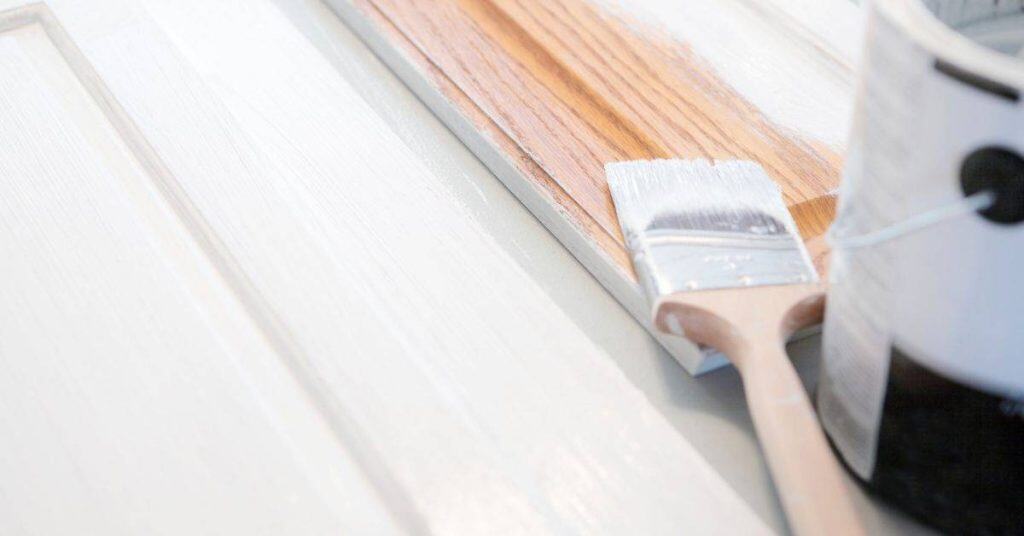
Paintbrush applying white paint on wooden cabinet panel

Avoid Painting Mistakes: Pro Tips for Prep, Cutting In, and Dry Times

Introduction painting well starts with proper prep, careful cutting in, and waiting for the right dry times. Key takeaways Prepare surfaces thoroughly; remove dust, repair holes, and sand glossy areas. Use painter’s tape correctly: apply edges with firm press and clean removal. Cut in slowly along edges, keeping a steady hand and consistent coat. Choose

Avoid Painting Mistakes: Pro Tips for Prep, Cutting In, and Dry Times Read More »

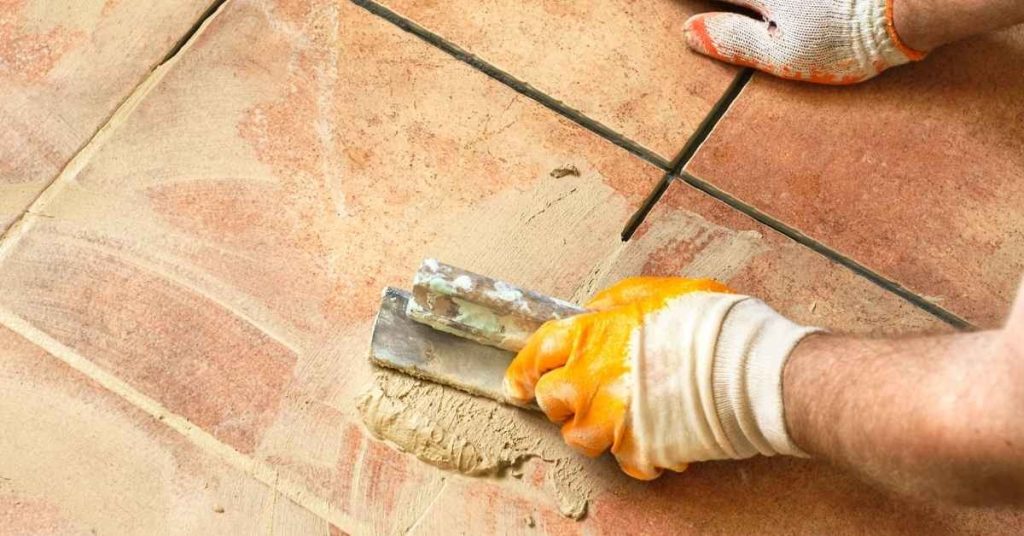
Kitchen backsplash with dark blue subway tiles behind sink

Grouting a Backsplash: DIY Steps, Cleanup Tricks, and Stop Rules

Introduction Grouting a backsplash fills the spaces between properly installed tiles, finishes the surface, and makes routine cleaning easier. It does not fix loose tile, a moving wall, failed mortar coverage, or water entering the wall. Check those conditions before you mix anything. The dependable approach is simple: choose grout approved for your tile and

Grouting a Backsplash: DIY Steps, Cleanup Tricks, and Stop Rules Read More »

Person spraying paint on white interior wall wearing protective suit

Painting Almost Anything: 30 Tips for Adhesion, Coverage, and Longevity

Introduction Painting almost anything is a practical guide to choosing the right prep, coatings, and techniques to get durable results. This hands-on article walks you through surface prep, adhesion tricks, and how to pick a finish that sticks. You’ll get plain-spoken guidance you can apply in a real job site, not a theory lesson. From

Painting Almost Anything: 30 Tips for Adhesion, Coverage, and Longevity Read More »

Close-up of green paint roller applying paint on white wall

How to Paint Over Powdery Surfaces: Chalk, Calcimine, and Dusty Walls

Introduction Painting over powdery surfaces means preparing chalky, dusty walls so the new paint will stick. You’ll typically start by removing loose material, cleaning, and letting the surface dry before any primer. Roughness, dust, and old paint left on the wall can cause peeling, flashing, or poor coverage if you skip this step. If calcimine

How to Paint Over Powdery Surfaces: Chalk, Calcimine, and Dusty Walls Read More »