Search Results for: control joint

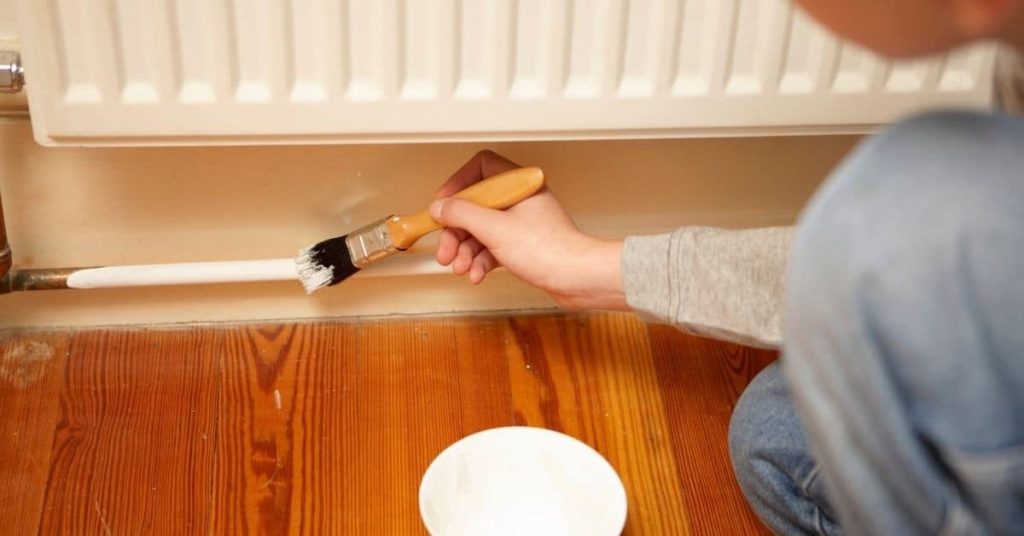
Person painting metal pipe below radiator with white paintbrush

Painting Stainless Steel: Etch Options, Primers, and What Won’t Stick

Introduction Painting stainless steel means making a slick, non-porous metal accept paint by roughening the surface or using the right primer and prep; it’s not impossible but it takes proper etching or a chemically compatible primer. In practical DIY terms you’ll need to clean, degrease, and choose between mechanical scuffing or a metal etch product, […]

Painting Stainless Steel: Etch Options, Primers, and What Won’t Stick Read More »

Cedar shake siding on a gable end with white trim

Painting Exterior Cedar: Tannin Blocking, Back-Priming, and Recoat Timing

Introduction Painting exterior cedar means stopping tannin bleed, sealing raw edges, and timing coats so the finish bonds and lasts; tannin blocking, back-priming, and recoat timing are the practical steps to make that happen. I’ll give jobsite advice you can use: what to look for, how to treat cut ends and knots, and how to

Painting Exterior Cedar: Tannin Blocking, Back-Priming, and Recoat Timing Read More »

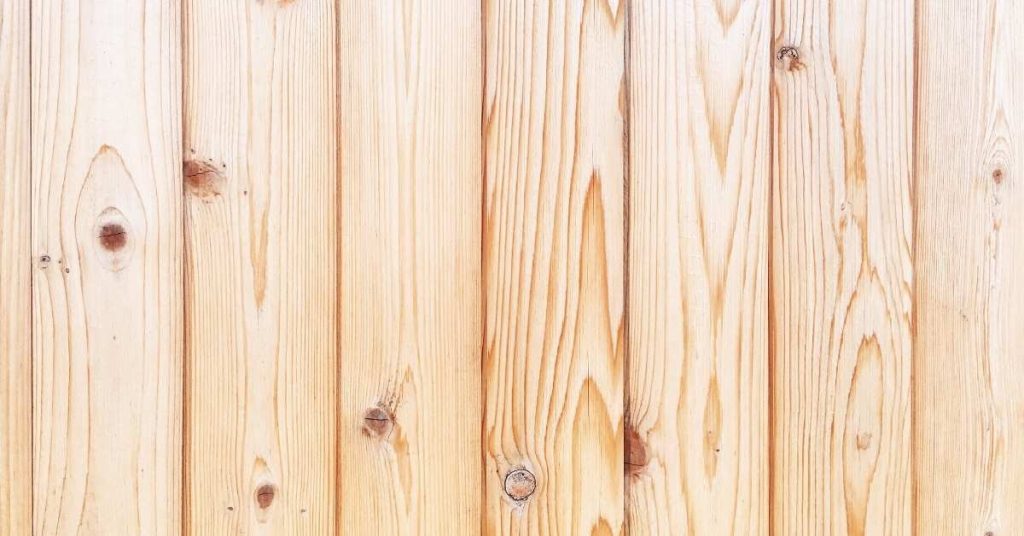
Close-up of pine wood planks with knots and grain patterns

Priming ‘Problem Woods’: Knots, Sap, and Pitch Bleed in Pine and Cedar

Introduction Priming “problem woods” means using the right sealer or primer and prep so knots, sap, and pitch in pine and cedar don’t bleed through your finish. In plain terms: clean, sand, spot-treat bleeding areas, then use a primer compatible with the topcoat and with stain-blocking properties; check the product label and manufacturer’s instructions for

Priming ‘Problem Woods’: Knots, Sap, and Pitch Bleed in Pine and Cedar Read More »

Blue painted stucco wall texture

How to Paint Stucco With Maximum Breathability: Product Types and Prep Steps

Introduction Painting stucco with maximum breathability means choosing and applying coatings that let moisture vapor move through the wall rather than trapping it behind the finish. In practice that means picking a paint or coating labeled for masonry/stucco breathability and preparing the surface so the coating can adhere and perform; check product labels and manufacturer

How to Paint Stucco With Maximum Breathability: Product Types and Prep Steps Read More »

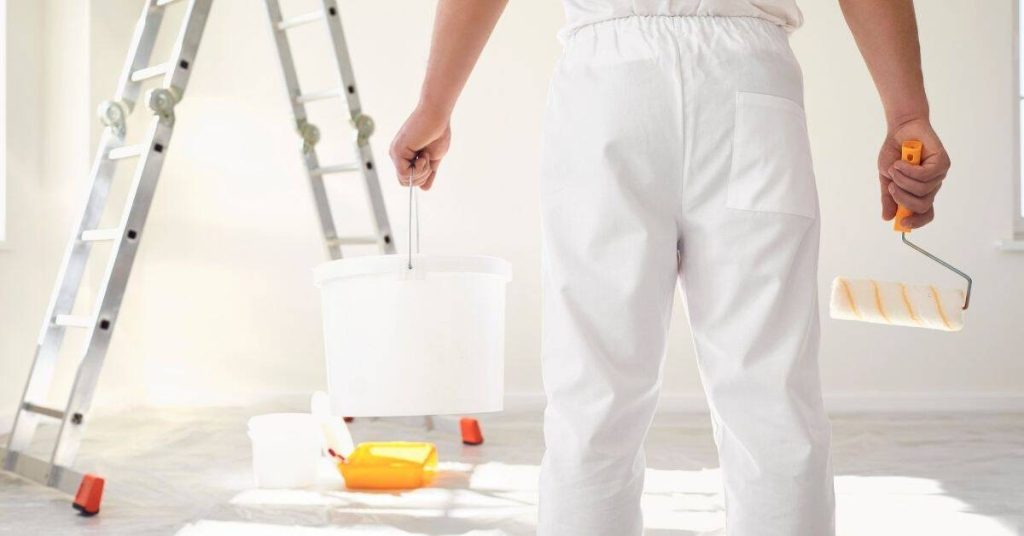
Person in white clothes holding paint roller and bucket near ladder

Painter’s Tape Alternatives: Liquid mask, edge sealers, and when they beat tape

Introduction Painter’s tape alternatives are products and techniques—like liquid masking, edge sealers, and specialty sealants—that block paint or create clean edges where tape isn’t ideal. They work best on irregular surfaces, tight curves, or when tape would lift or leave residue, but check the product label and manufacturer instructions for surface compatibility and drying time.

Painter’s Tape Alternatives: Liquid mask, edge sealers, and when they beat tape Read More »

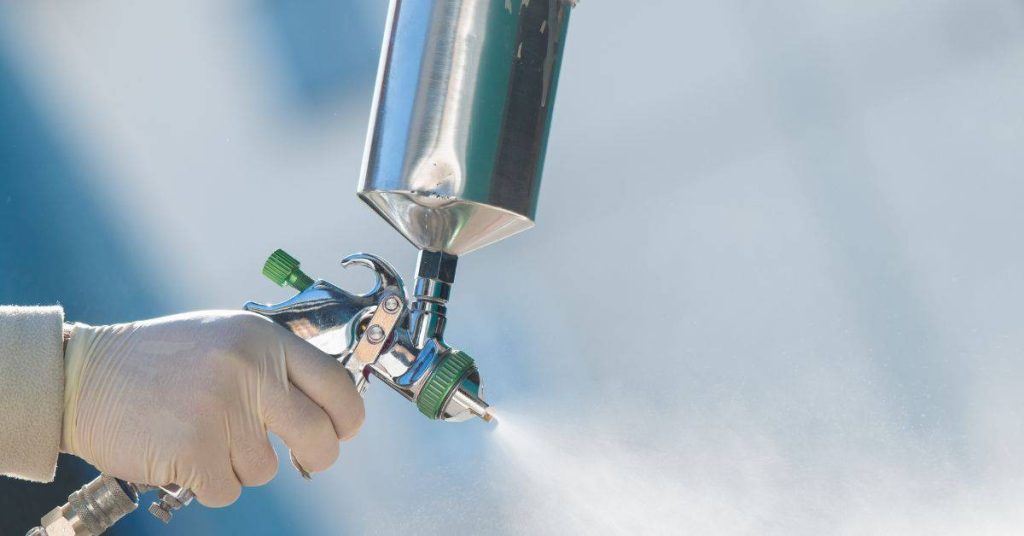
Spray Booth Ventilation for DIY Projects: Fan Types and Safe Filter Stacks

Introduction Spray booth ventilation is the system that moves contaminated air away from your work area and through filters or exhaust so you can breathe and keep overspray under control. In a DIY setup that means choosing the right fan type for the space and building a filter stack that captures paint particles and solvents;

Spray Booth Ventilation for DIY Projects: Fan Types and Safe Filter Stacks Read More »

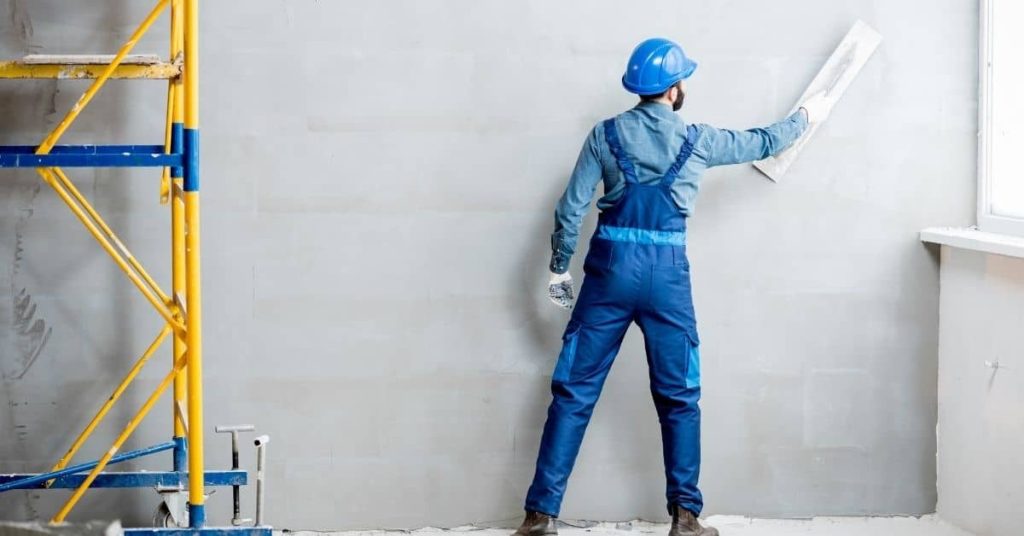
Worker smoothing wet plaster on a gray interior wall

How to Create a Zero-Lap-Mark Wall: Section Planning and Keeping a True Wet Edge

Introduction A zero-lap-mark wall is a layout and pour technique that keeps your fresh plaster or skimcoat from drying in visible steps where new material meets old. It means planning your sections and timing so each pass blends into the next while the edge is still workable. This is a hands-on job that needs steady

How to Create a Zero-Lap-Mark Wall: Section Planning and Keeping a True Wet Edge Read More »

Hand holding paint roller with orange paint above drop cloth

Orange Peel After Rolling: Causes, Fixes, and When Spraying Is Easier

Introduction Orange peel after rolling is a textured, dimpled finish that happens when paint or concrete topping doesn’t level out before it skins over. It’s usually caused by wrong material viscosity, working too slowly, rolling with an unsuitable nap or roller technique, or environmental factors like temperature and humidity. A quick jobsite fix is to

Orange Peel After Rolling: Causes, Fixes, and When Spraying Is Easier Read More »

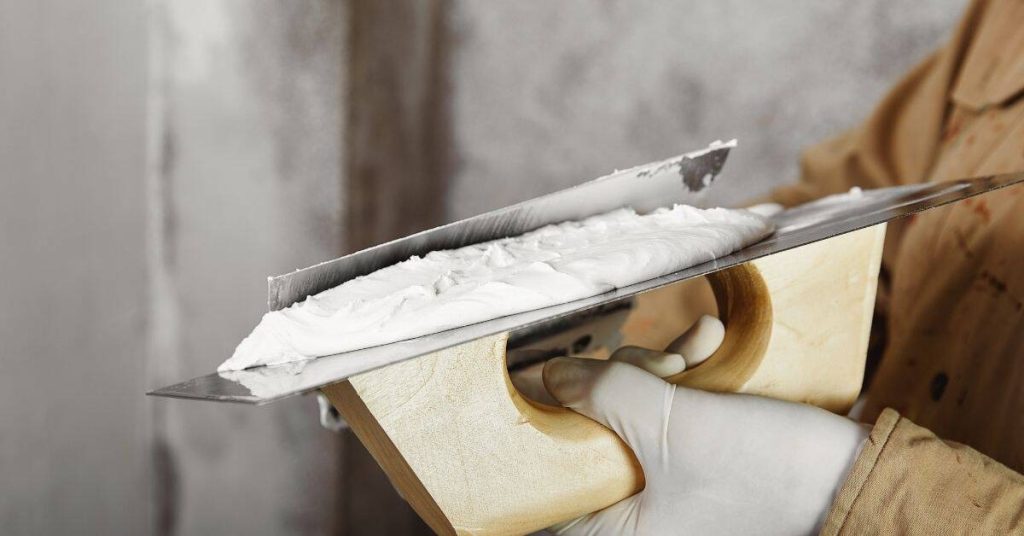
Hand holding plastering trowel with fresh white plaster

Clay Plaster in Bathrooms: Suitability, Steps, and Project Timeline

Introduction Clay plaster can give a bathroom a warm, textured finish, but it is not a universal wet-area finish. Use it only in a location, on a substrate, and with a primer and sealer that the exact product manufacturer approves. The exact product technical data sheet and installation instructions control. Before starting, verify permitted substrates,

Clay Plaster in Bathrooms: Suitability, Steps, and Project Timeline Read More »