Search Results for: control joint

Close-up of crack on textured stucco wall surface

Elastomeric Paint vs Masonry Paint: Thickness, Crack Bridging, and Recoat Timing

Introduction Elastomeric paint is a high-build, flexible coating designed to bridge small hairline cracks and move with the wall, while masonry paint is a thinner, protective finish for porous surfaces; choose by how much movement and build you need. In plain jobsite terms: elastomeric lays on thicker and stretches, masonry paint lays on thinner and […]

Elastomeric Paint vs Masonry Paint: Thickness, Crack Bridging, and Recoat Timing Read More »
Thick yellow paint strokes on a white surface

Mineral Paint vs Acrylic on Masonry: Breathability, Washability, and Best Use Cases

Introduction Mineral paint is a thin, breathable coating made from mineral binders that soaks into masonry while acrylic is a film-forming paint that sits on the surface and sheds water. For DIY use, think mineral paint where you need vapor permeability and historical compatibility, and acrylic where you need tougher washability and abrasion resistance. Check

Mineral Paint vs Acrylic on Masonry: Breathability, Washability, and Best Use Cases Read More »

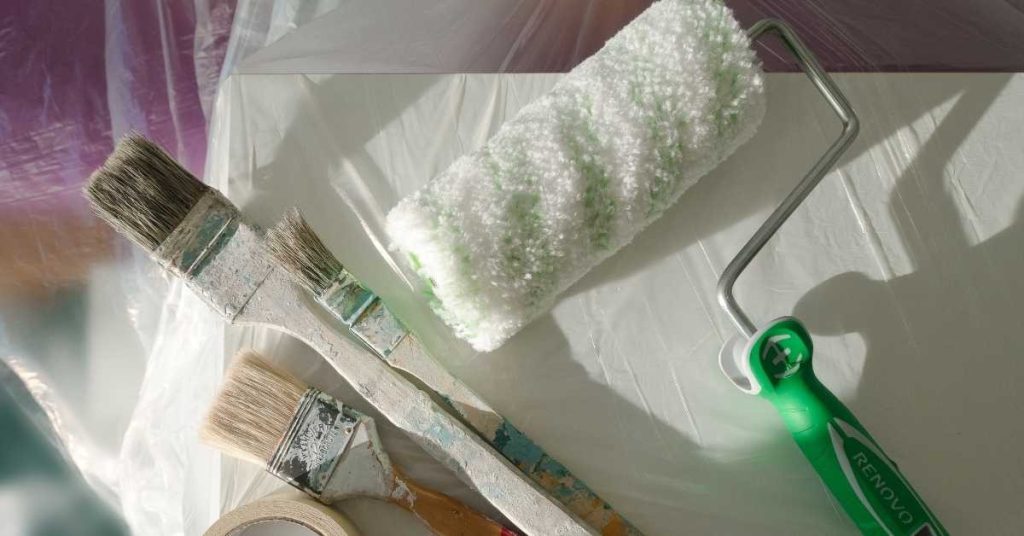
Three paintbrushes and a paint roller on plastic sheet

How to Paint in Shoulder Seasons: Cold Nights, Warm Days, and Dry-Time Reality

Introduction Painting in shoulder seasons means working when days can be warm enough for paint to cure but nights drop cold enough to slow or stop drying; it’s about timing coats around daily temperature swings and humidity. In plain terms: plan for shorter workable windows, watch overnight lows, and choose products that tolerate those swings

How to Paint in Shoulder Seasons: Cold Nights, Warm Days, and Dry-Time Reality Read More »

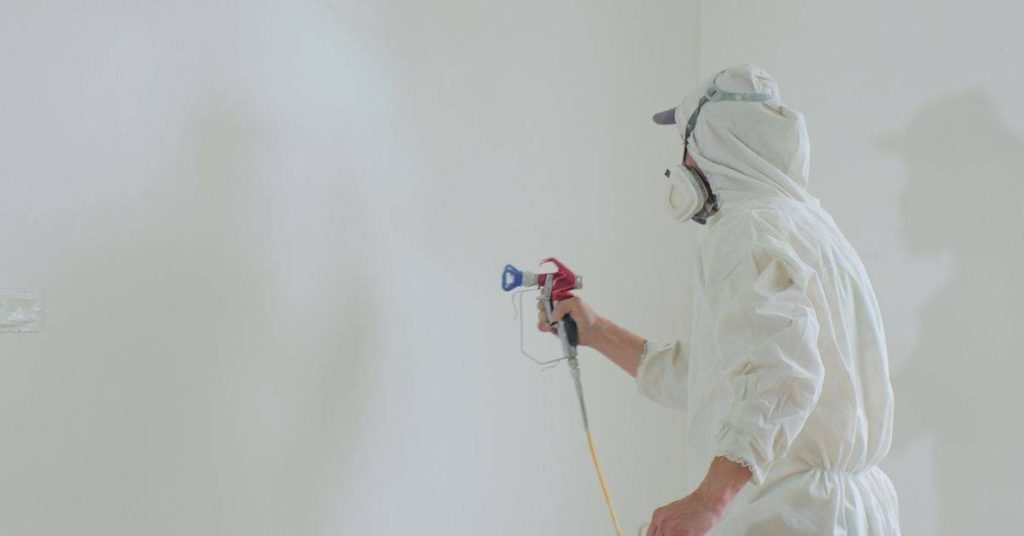
Worker spraying white paint on interior wall wearing protective suit

Back-Brushing and Back-Rolling After Spraying: When It Helps and When It Makes Things Worse

Introduction Back-brushing and back-rolling are hands-on techniques used after spray-applying coatings to work the material into the surface and even out coverage; in plain terms, back-brushing uses a brush and back-rolling uses a roller to finish what the sprayer started. They help when the surface texture, porosity, or overspray patterns need manual attention, but whether

Back-Brushing and Back-Rolling After Spraying: When It Helps and When It Makes Things Worse Read More »

Metal paint remover can brush bowl on wooden floor

How to Strip Paint Without Raising Grain: Scraper Technique and Neutralization

Introduction Stripping paint without raising the grain means removing the coating while keeping the wood fibers smooth so you don’t end up with a fuzzy surface. It’s a hands-on process using scrapers and gentle sanding or neutralizers as needed, and you should follow product labels and test a small area first. Expect to adjust technique

How to Strip Paint Without Raising Grain: Scraper Technique and Neutralization Read More »

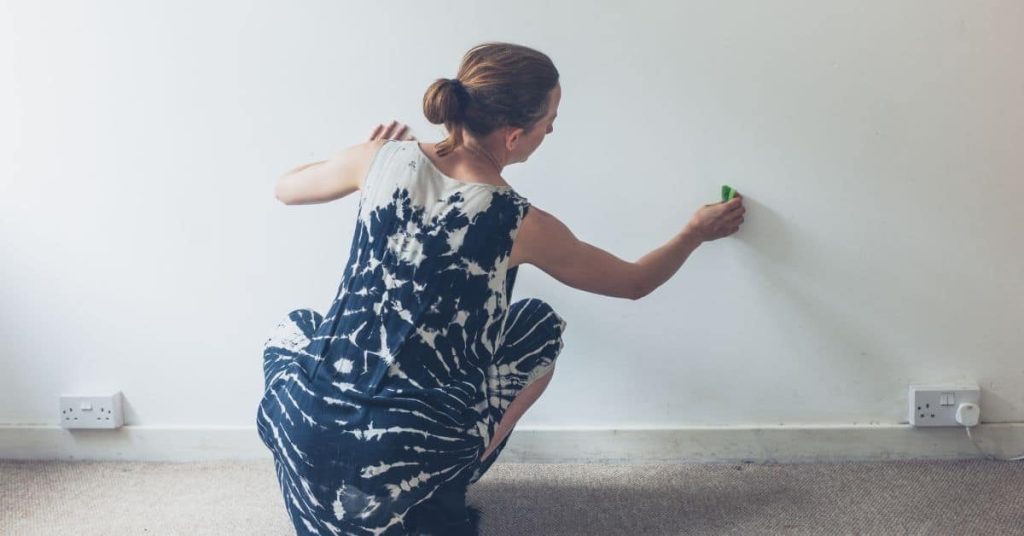
Woman scraping paint from white interior wall

Removing Paint From Masonry: Chemical Strippers vs Grinding and How to Avoid Scarring

Introduction Removing paint from masonry means choosing between chemicals that soften coatings and mechanical grinding that abrades them, and the right choice depends on the paint type, the masonry surface, and how careful you need to be to avoid damage. For a DIYer that often means weighing slower, gentler chemical strippers against faster, more aggressive

Removing Paint From Masonry: Chemical Strippers vs Grinding and How to Avoid Scarring Read More »

Hand painting wooden cabinet door with blue paint roller

Painting Over Old Limewash: Identification, Neutralization, and Best Primers

Introduction Painting over old limewash can be a challenge due to its unique composition and properties. This guide will help you identify, neutralize, and prime your limewashed surfaces for successful painting. Key takeaways Identify limewash by chalky finish, mineral content, and matte, breathable film. Test adhesion with scrape and moisture penetration before priming. Contain dust,

Painting Over Old Limewash: Identification, Neutralization, and Best Primers Read More »

Person painting interior wall with roller

Painting Over Chalkboard Paint: Bonding and How to Stop ‘Ghosting’

Introduction Painting over chalkboard paint means getting new paint to stick and look even without the old writing ghosting through; it requires cleaning, proper priming, and the right topcoat. In practice that means remove chalk residue, test adhesion, and choose a primer compatible with both the chalkboard surface and your finish. If you’re unsure which

Painting Over Chalkboard Paint: Bonding and How to Stop ‘Ghosting’ Read More »

Hand rolling blue paint onto white wall with paint roller

Bathroom Paint Systems: When ‘Mildew-Resistant’ Paint Isn’t Enough

Introduction “Mildew-resistant” paint is a product label that means the coating resists surface mold under normal conditions, but it isn’t a full waterproofing or mold-removal system. In a bathroom that gets heavy steam or has leaks, the paint alone can fail; check product labels and manufacturer instructions to understand limits and recommended substrate prep. A

Bathroom Paint Systems: When ‘Mildew-Resistant’ Paint Isn’t Enough Read More »

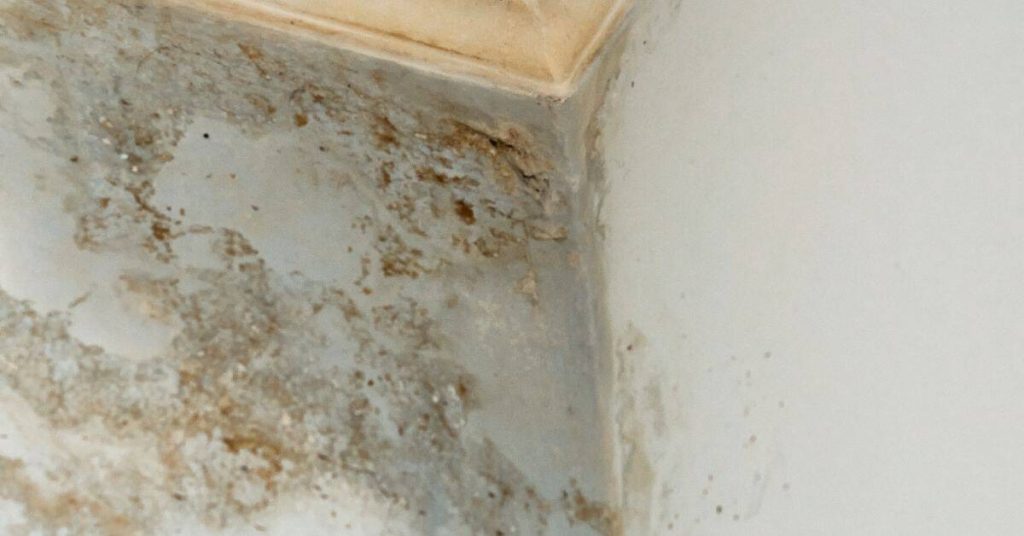
Wall corner with visible mold and water damage stains

Repainting After Mold Remediation: Drying Targets, Primers, and Mildew-Resistant Topcoats

Introduction Repainting after mold remediation means waiting until the surface is fully dry, priming any repaired or stained areas, and finishing with a mildew-resistant topcoat chosen for the substrate. Do the drying check yourself and follow product label instructions for primer and paint compatibility. Treat it like a site repair: clean, dry, prime, then topcoat.

Repainting After Mold Remediation: Drying Targets, Primers, and Mildew-Resistant Topcoats Read More »