Search Results for: control joint

Close-up of vertical and horizontal steel rebar grid framework

Rebar Couplers: When to Use Them and How to Avoid Alignment Problems

Introduction Rebar couplers are threaded or mechanical connections that join two bars end-to-end. Use them when you need to extend bar length or connect bars in tight spaces where overlap is hard. Check manufacturer instructions and local rules to ensure proper fit and alignment. There are different types of couplers for different rebar sizes and […]

Rebar Couplers: When to Use Them and How to Avoid Alignment Problems Read More »

Worker in safety helmet holding drill near wall

FRP Rebar: Cutting, Drilling, Cover Requirements, and Bending Limits (DIY Guide)

Introduction FRP rebar is a non-metallic reinforcement made from fiber-reinforced polymer designed to reinforce concrete. It’s lightweight, corrosion resistant, and behaves differently from steel, so plan accordingly. If you’re unsure, check the manufacturer guidance and local rules before sizing or choosing it. Cutting and drilling FRP rebar requires specific tools and care; don’t treat it

FRP Rebar: Cutting, Drilling, Cover Requirements, and Bending Limits (DIY Guide) Read More »

Close-up of damaged concrete surface with small pit

Alkali–Carbonate Reaction: How It Differs from ASR and What to Watch For

Introduction Alkali–carbonate reaction is a chemical reaction in concrete that happens when alkalis in cement react with carbonate rock in the aggregate. It can cause slow cracking and changes in stiffness over time. This article explains what to watch for and how you might address it in a DIY setting. ACR differs from ASR in

Alkali–Carbonate Reaction: How It Differs from ASR and What to Watch For Read More »

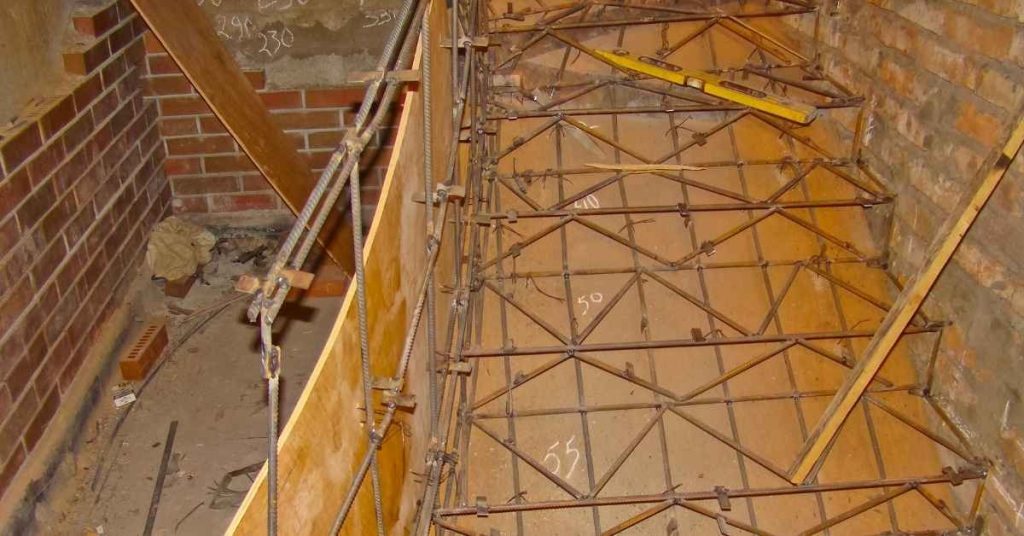
Steel rebar grid inside wooden concrete formwork in narrow space

Basalt Rebar: Where It Makes Sense and How to Detail It in Marine Zones

Introduction Basalt rebar is a non-metal reinforcement made from basalt rock fibers that can replace traditional steel in concrete. It’s designed to resist corrosion in coastal and marine settings. This introduction covers what basalt rebar is and how it fits into marine-zone detailing. In marine zones, basalt rebar helps reduce rusting and long-term maintenance compared

Basalt Rebar: Where It Makes Sense and How to Detail It in Marine Zones Read More »

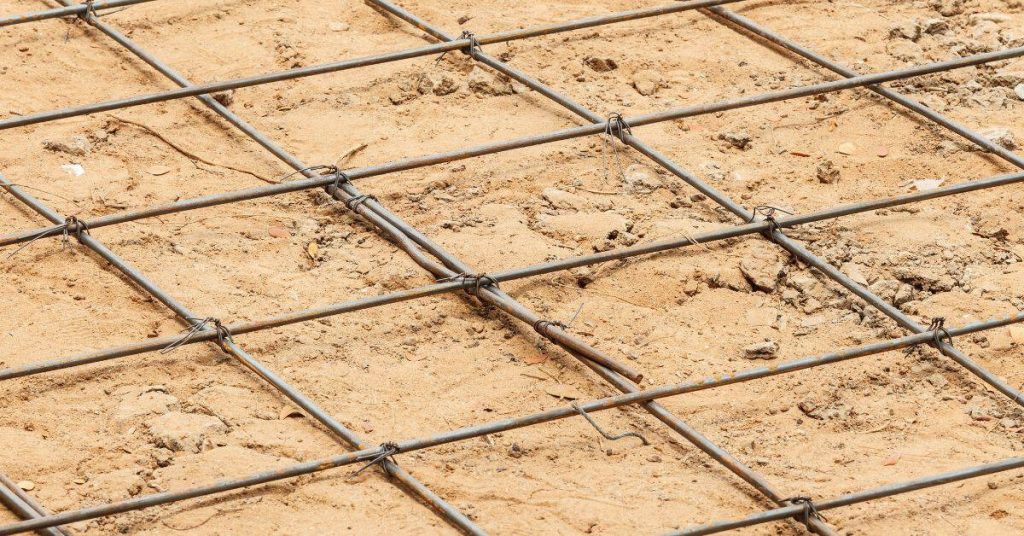
Steel rebar grid tied with wire on sandy ground

Reinforcement Beyond Steel Rebar: Basalt, FRP, Couplers, and Headed Bars

Introduction Reinforcement beyond steel rebar means using non-metallic or alternative materials to strengthen concrete, such as basalt fibers, FRP, couplers, and headed bars. They can resist corrosion and may install differently than traditional rebar. Always check manufacturer instructions and local rules to confirm suitability for your project. FRP rebar offers a value proposition in durability

Reinforcement Beyond Steel Rebar: Basalt, FRP, Couplers, and Headed Bars Read More »

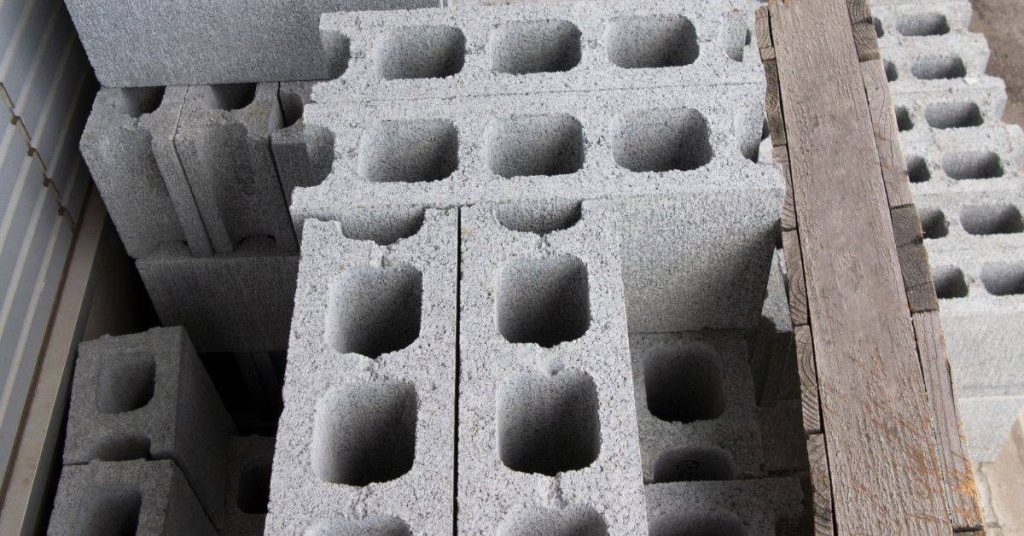
Stacked gray concrete cinder blocks with hollow centers

Rammed Earth vs Concrete Block Outdoors: Cost, Durability, and Maintenance Compared

Introduction Rammed earth and concrete block outdoors are two exterior wall options to compare in terms of cost, durability, and maintenance. This quick, hands-on look will help you decide what fits a DIY setup in your climate and budget. You’ll want to weigh initial costs, long-term upkeep, and how each holds up under weather and

Rammed Earth vs Concrete Block Outdoors: Cost, Durability, and Maintenance Compared Read More »

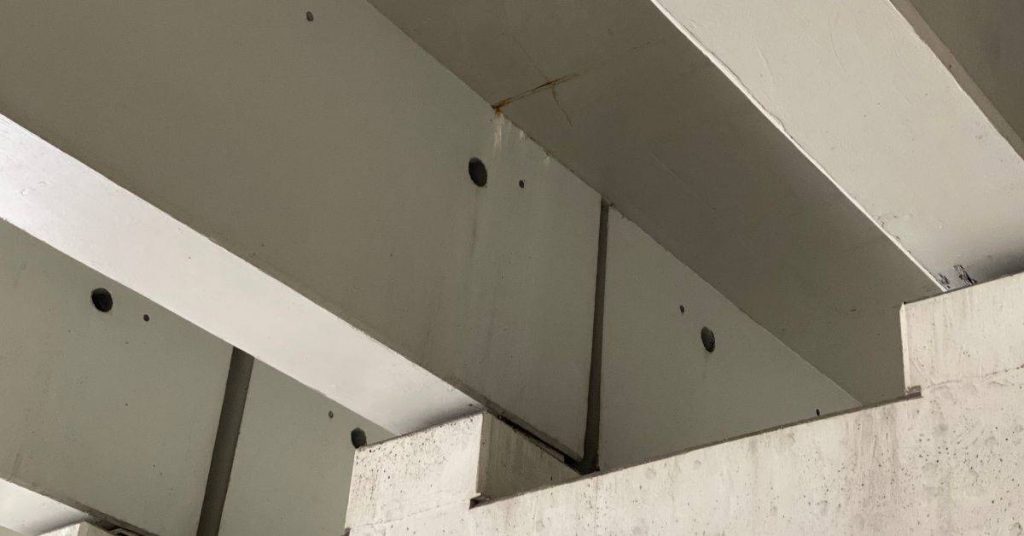
Concrete beams connected to a concrete column indoors

Sulfate Attack in Concrete: Screen the Damage and Choose the Right Repair

Introduction Sulfate attack is one possible cause of concrete deterioration when sulfate-bearing water, soil, or materials interact with the hardened cement paste. It can contribute to expansion, cracking, softening, and loss of material, but those symptoms also occur with several other concrete problems. This guide helps you screen the condition, control obvious water exposure, and

Sulfate Attack in Concrete: Screen the Damage and Choose the Right Repair Read More »

Man smoothing plaster on wall with float tool

Hempcrete Retrofits for Insulation: Detailing to Avoid Moisture Traps and Mold

Introduction Hempcrete retrofits for insulation are a breathable, lime-based mix used to insulate while letting moisture escape. This approach helps slow heat loss and reduce moisture traps if installed with proper detailing. Work with the material by keeping joints open to airflow and following manufacturer or local guidance. Plan for surface prep, air sealing, and

Hempcrete Retrofits for Insulation: Detailing to Avoid Moisture Traps and Mold Read More »

Empty unfinished room with smooth white plastered walls

Hempcrete Walls: DIY Build Basics, Drying Time, and Moisture Failure Modes

Introduction Hempcrete walls are walls built from a lime-hemp composite that forms a lightweight, breathable enclosure. As a DIY builder, you’ll mix a lime-hemp composite and place it into formwork, then let it cure with good airflow. The key is understanding that these walls are different from cement blocks and rely on porous curing and

Hempcrete Walls: DIY Build Basics, Drying Time, and Moisture Failure Modes Read More »

Close-up of textured stamped concrete floor tiles

Concrete Curing Compounds: When to Use Them (and When They Ruin Adhesion)

Introduction Concrete curing compounds are products applied to fresh concrete to retain moisture and control evaporation. They often come as liquid sprays or wipe-on films that form a moisture-retaining barrier as the concrete hardens. Check the label to see if it’s intended for curing only or for sealing and curing, and follow local guidance. Use

Concrete Curing Compounds: When to Use Them (and When They Ruin Adhesion) Read More »