Search Results for: control joint

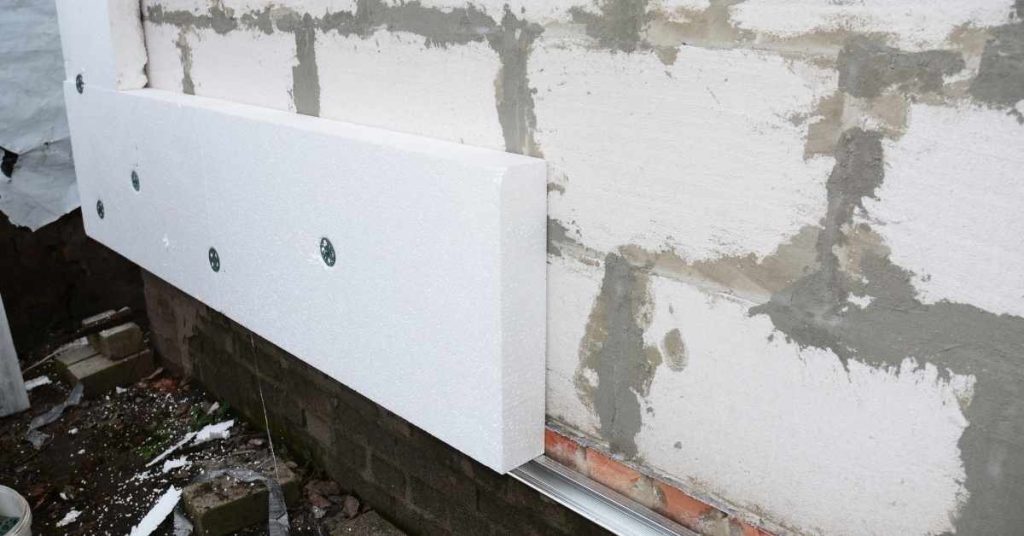
White EPS foam board attached to exterior masonry wall

Stucco at Rooflines: Fixing recurring leaks without relying on caulk alone

Introduction Fixing leaks at stucco rooflines means sealing and directing water so it doesn’t seep where the wall meets the roof. This job isn’t about slapping on caulk alone; you’ll often need proper flashing and surface prep to make a lasting fix. Approach it with a plan, check the manufacturer instructions for any products you […]

Stucco at Rooflines: Fixing recurring leaks without relying on caulk alone Read More »

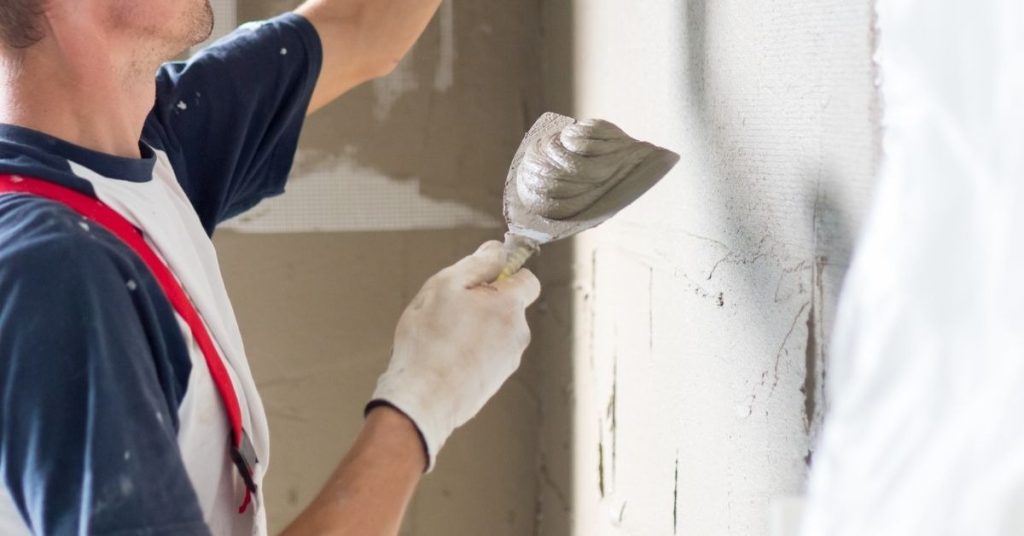
Hand applying stucco with a trowel on wall surface

Stucco-to-Foundation Transitions: Sealing and drainage without trapping moisture

Introduction This topic is about preventing moisture from moving between stucco and the foundation by sealing and managing drainage. In practice, you aim to keep water from soaking into the joint while letting any seepage drain away. It’s a hands-on process that starts at the edge where stucco meets concrete and uses straightforward materials chosen

Stucco-to-Foundation Transitions: Sealing and drainage without trapping moisture Read More »

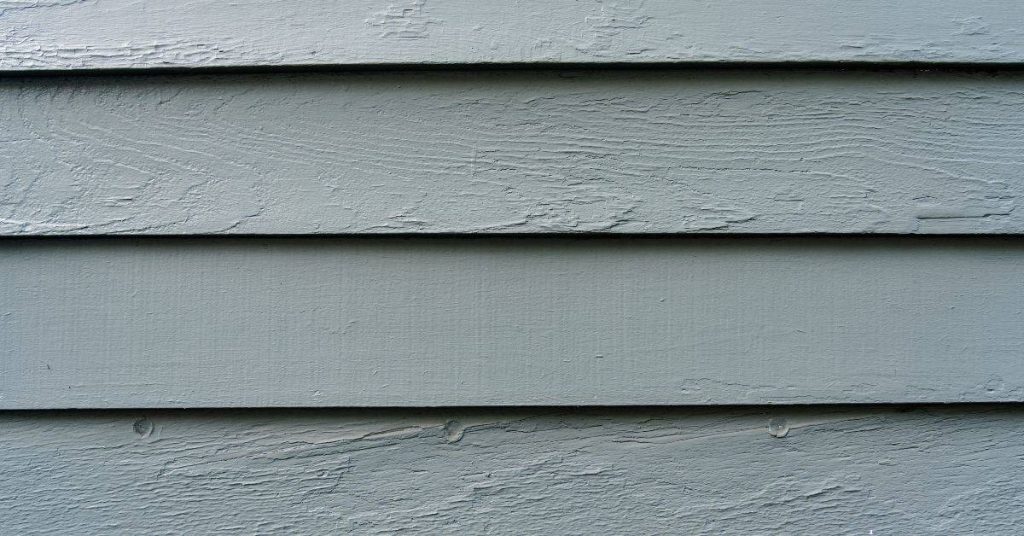
Closeup of painted wooden siding in gray color

Breathable Paint for Stucco: Choosing coatings that don’t trap moisture

Introduction Breathable paint for stucco lets moisture escape from the wall while protecting it from rain. As a DIYer, you want a coating that pins water to the surface but doesn’t trap it inside. Apply it with the right surface prep and follow the label for best results. When choosing coatings, look for breathable or

Breathable Paint for Stucco: Choosing coatings that don’t trap moisture Read More »

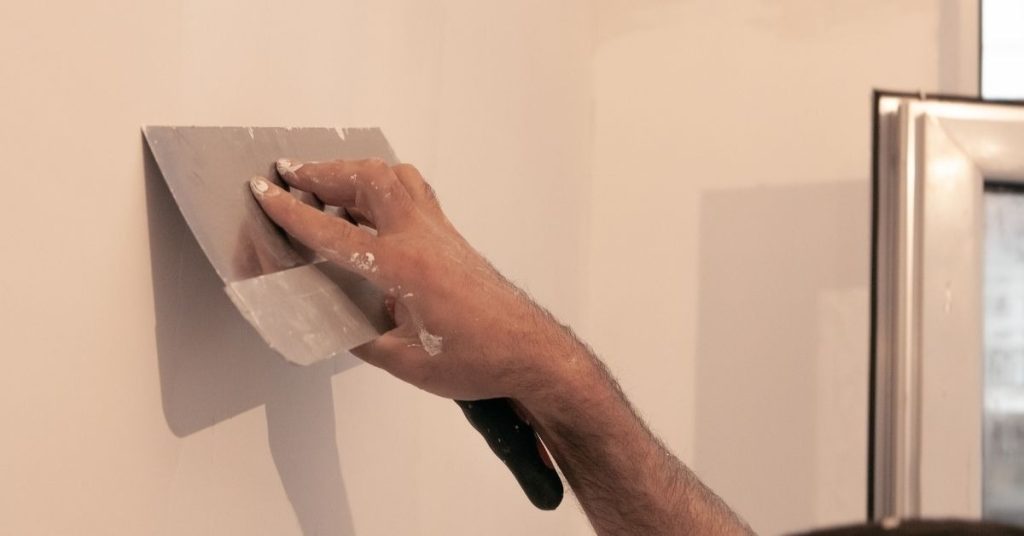
Worker applying plaster to ceiling with trowel

Plaster Ceiling Patches: Avoiding Sagging Spots and Visible Seams

Introduction A lasting plaster-ceiling patch starts with diagnosis, not compound. First stop any leak or moisture problem, then determine whether the damage is a stable crack, a shallow loss of plaster, detached plaster, or a sagging ceiling. Patch only sound, dry, supported material. A deep void or loose plaster needs sound support or specialist reattachment

Plaster Ceiling Patches: Avoiding Sagging Spots and Visible Seams Read More »

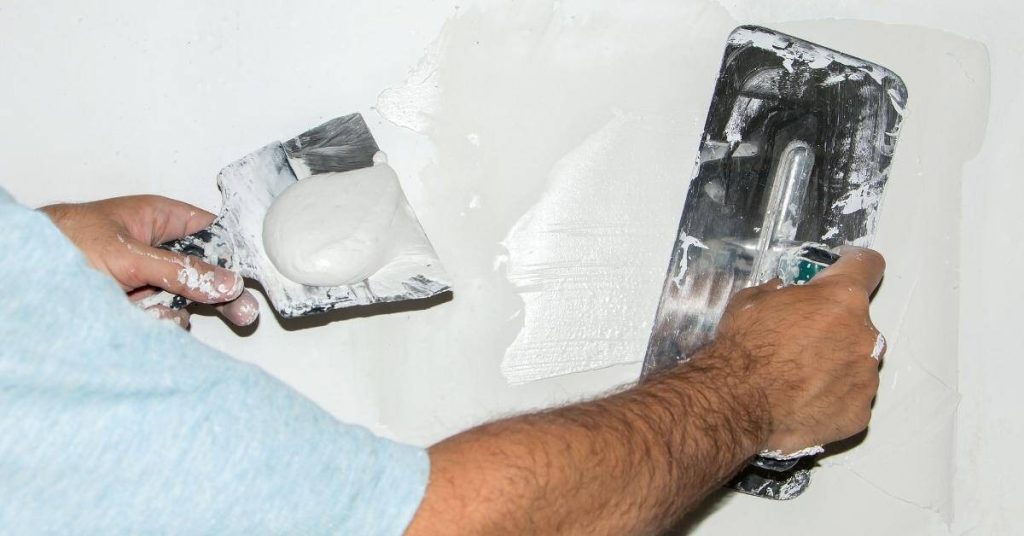
Person applying plaster to a wall using a trowel

Matching Wall Texture After Plaster Repairs: Tools and timing that blend

Introduction Matching wall texture after plaster repairs means blending new texture with existing wall so the repaired area looks seamless. The goal is a finish that doesn’t draw attention to the repair. Keep the approach practical and unobtrusive, focusing on a natural transition rather than a perfect patch. You’ll need the right tools and the

Matching Wall Texture After Plaster Repairs: Tools and timing that blend Read More »