Search Results for: control joint

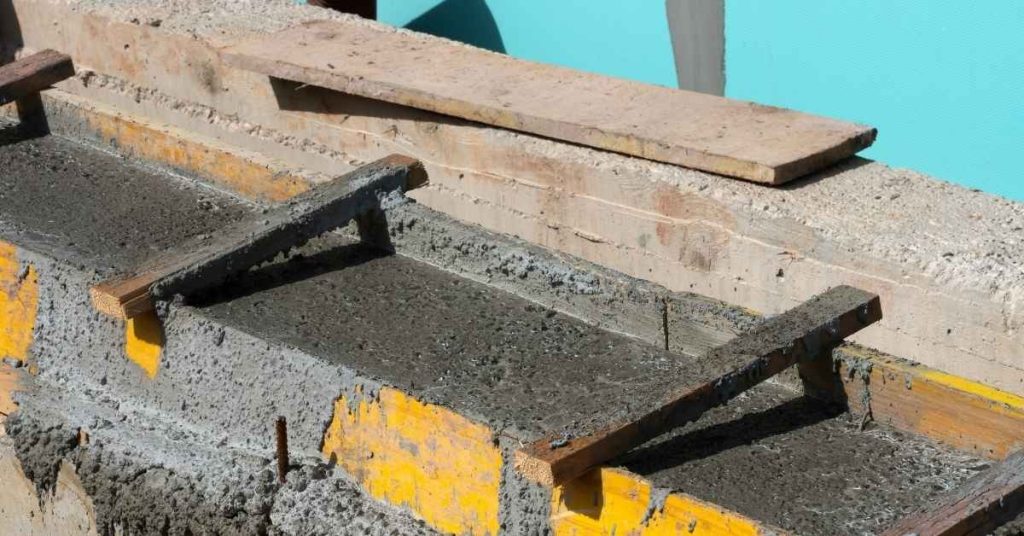
Close-up of concrete screed tool smoothing wet concrete slab

Concrete Bonding Agents: When they help and when they make repairs weaker

Introduction Bonding agents are products that help new concrete stick to old surfaces. They improve adhesion when the surface is clean, sound, and properly prepared. If you skip cleaning or misapply them, they can weaken the repair. Before choosing a method, decide whether you should repair or replace based on damage and load. Focus on […]

Concrete Bonding Agents: When they help and when they make repairs weaker Read More »
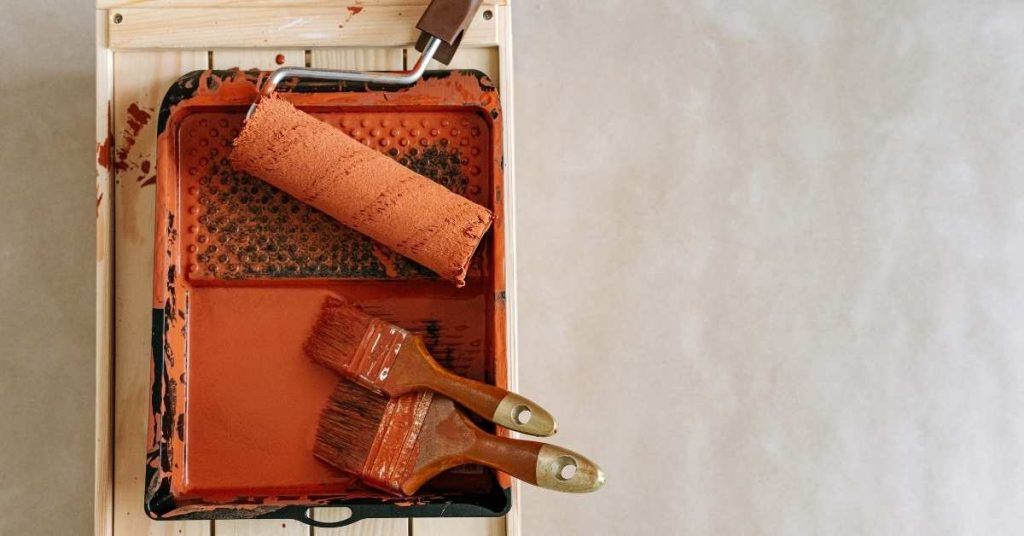
rust-colored paint roller and paintbrushes in tray on wooden surface

Painting Over Rust: Stopping bleed-through and preventing return rust

Introduction Painting over rust means sealing and coating metal surfaces to stop rust bleed-through and prevent future rust. You’ll assess the rust, clean the area, and choose a compatible primer and paint that sticks. Be sure to follow product labels and local rules. Plan to remove loose rust, neutralize corrosion as needed, and apply a

Painting Over Rust: Stopping bleed-through and preventing return rust Read More »

Polished concrete floor with ocean view through large glass door

Concrete That Looks Patchy When Wet: Diagnosing porosity and finishing issues

Introduction Patching that looks patchy when wet means the surface is showing uneven water absorption due to porosity and finishing issues. It often happens when the concrete has inconsistent density or when the finish was applied without addressing bleed water and surface moisture. For DIYers, it’s a hands‑on check of how the surface feels, looks,

Concrete That Looks Patchy When Wet: Diagnosing porosity and finishing issues Read More »

Concrete slab being smoothed with a long-handled float

Concrete Tool Cleanup: Keeping floats flat, trowels smooth, and handles solid

Introduction Concrete tool cleanup means removing concrete residue and debris from floats, trowels, and handles so they stay flat and true. Do it soon after use while the slab is still workable, and focus on each tool as you walk off the job. This keeps your finishes consistent and your gear ready for the next

Concrete Tool Cleanup: Keeping floats flat, trowels smooth, and handles solid Read More »

Hand holding spray paint gun near peeling painted wooden siding

Fixing Cracked Elastomeric Coatings: Prep and recoats that stop peeling

Introduction Fixing cracked elastomeric coatings means repairing and reapplying a flexible protective layer so cracks stop growing and peeling ends. Cracking often comes from substrate movement, UV exposure, or poor initial prep, so surface prep and proper adhesion are key. In this hands-on guide, you’ll learn how to clean, repair, and re-coat using the right

Fixing Cracked Elastomeric Coatings: Prep and recoats that stop peeling Read More »

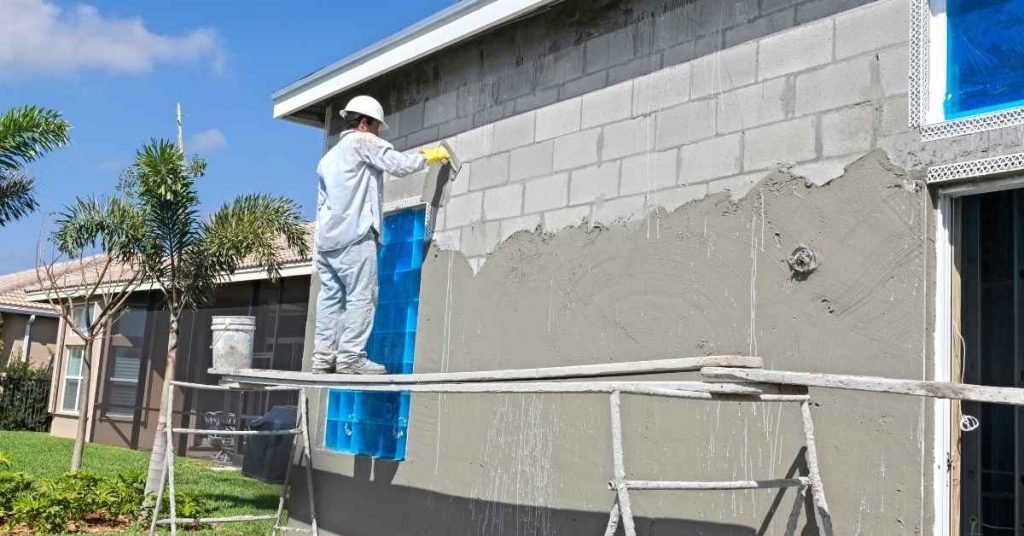
Worker applying stucco on cinder block wall outside house

Hollow-Sounding Stucco: Diagnosing debonding and choosing the right repair

Introduction Hollow-sounding stucco means the plaster layer is pulling away from the underlying surface, making a thump or hollow note when you tap it. This usually points to debonding or voids behind the stucco. If you hear it, start by confirming where the sound is strongest and what the visible signs are. Use plain, practical

Hollow-Sounding Stucco: Diagnosing debonding and choosing the right repair Read More »