Search Results for: control joint

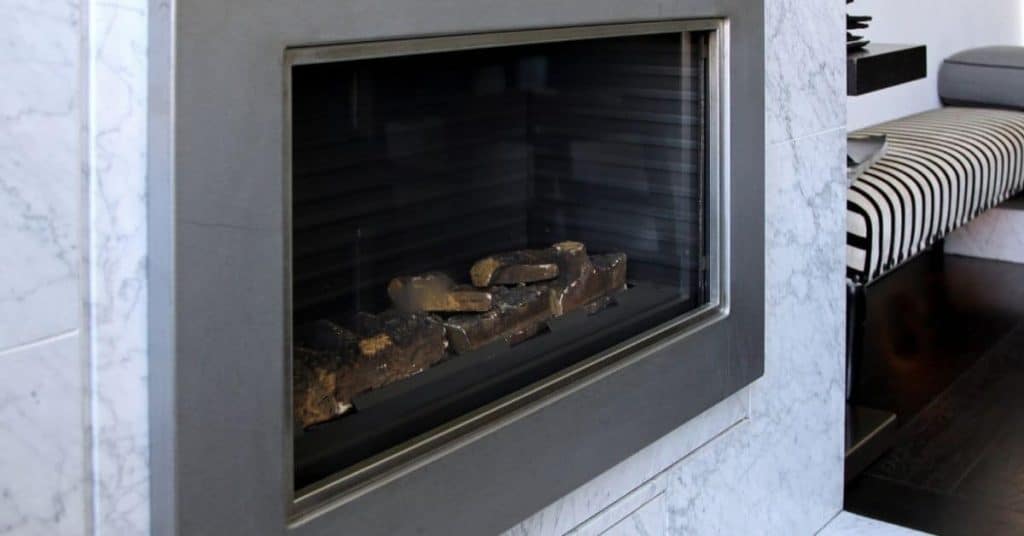
Modern gas fireplace with marble surround and striped bench nearby

Concrete Fireplace Surrounds: Heat Cycling, Crack Control, and Safe Clear-Coat Options

Introduction Concrete fireplace surrounds are finished concrete frames around a fireplace that can handle heat cycling with proper care. They need attention to how heat shifts and ages the surface, especially where the surround meets the hearth and mantel. The goal is a durable, even finish that resists cracking and looks good for years. Crack […]

Concrete Fireplace Surrounds: Heat Cycling, Crack Control, and Safe Clear-Coat Options Read More »

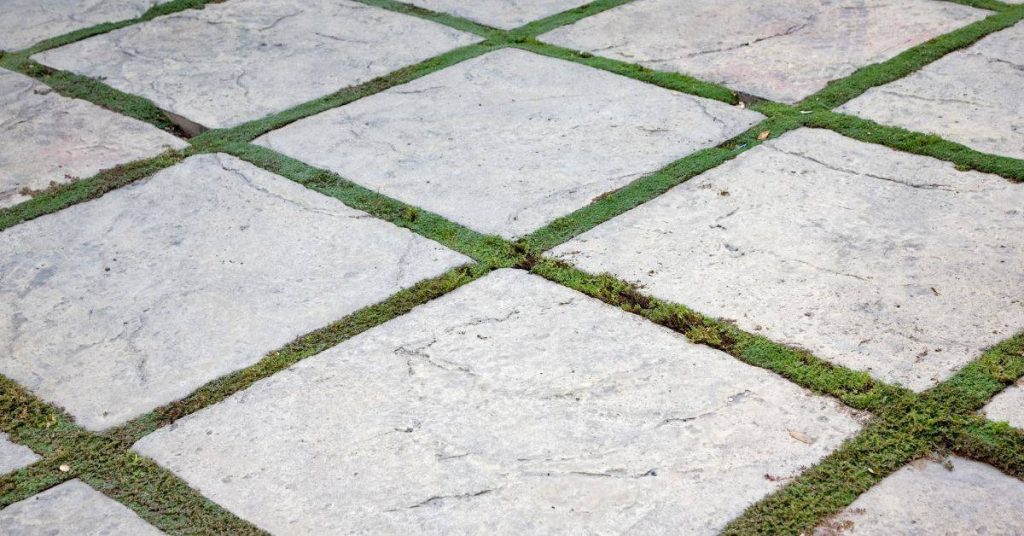
Square stone pavers with green moss in the joints

Sandblasted Finishes: Uniformity Tricks and How to Avoid Shadowing Around Joints

Introduction Sandblasted finishes are a textured surface created by blasting marble with abrasive media to reveal the stone’s grain. The result is a matte, slip-resistant look that hides tiny flaws and can add character to a space. As a DIY project, it’s important to understand that consistency comes from planning, the right media, and steady

Sandblasted Finishes: Uniformity Tricks and How to Avoid Shadowing Around Joints Read More »

Covered porch with painted concrete floor and metal chairs

Controlling Sheen on Concrete Sealers: Matte vs Gloss, Slip Risk, and Maintenance Reality

Introduction Matte and gloss sealers define the look and reflectivity of a concrete surface. A matte finish hides minor wear but can be harder to keep clean, while a gloss finish is clearer but may show wear and slip risk more readily. This article gives a practical, DIY‑friendly overview of what to expect and how

Controlling Sheen on Concrete Sealers: Matte vs Gloss, Slip Risk, and Maintenance Reality Read More »

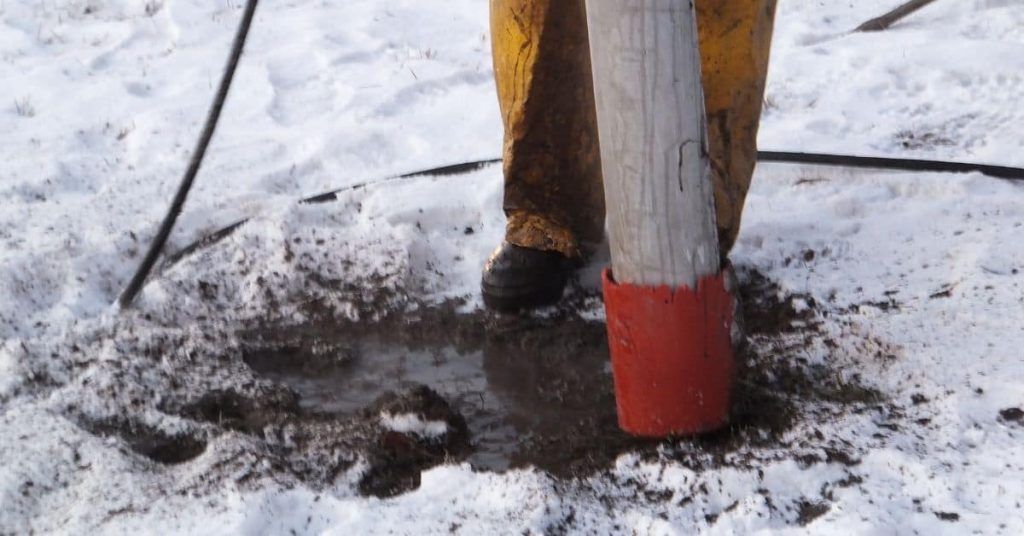
Worker standing in snowy ground with muddy water pooling

Cold Joints in Basement Walls: Waterstop Retrofits and ‘Outside Access’ vs ‘Inside Fix’ Reality

Introduction Cold joints in basement walls are weak seals where concrete layers meet that can leak if not treated. This article walks you through practical retrofit ideas and what to watch for on a DIY job. We keep it plain and achievable, not a blueprint. You’ll encounter several waterstop options, from flexible sleeves to sheet

Cold Joints in Basement Walls: Waterstop Retrofits and ‘Outside Access’ vs ‘Inside Fix’ Reality Read More »

Close-up of concrete wall with cracking and peeling surface

Repairing Leaking Cold Joints at Slab-to-Wall: Why Surface Caulk Fails and Better Methods

Introduction A leaking cold joint at slab-to-wall is water intrusion at the bond between a concrete slab and the wall caused by gaps or cracks near the joint. This article explains why surface caulk often fails and what better repair approaches look like for DIY work. Identify leaks by looking for damp patches near the

Repairing Leaking Cold Joints at Slab-to-Wall: Why Surface Caulk Fails and Better Methods Read More »

Wooden formwork and rebar cages for concrete column construction

Concrete Stair Stringer Pockets: Forming and Patching Without Weak Cold Joints

Introduction Stringer pockets in concrete stairs are recessed areas that receive the stair stringers so the stairs sit solidly. This article covers how to form and patch them without creating weak cold joints. You’ll do this with basic forms, timing, and careful patching. Plan ahead, check form fit, and keep joints clean and well-tied when

Concrete Stair Stringer Pockets: Forming and Patching Without Weak Cold Joints Read More »

Man patching plaster on white ceiling with trowel

Patching Vertical Surfaces Overhead: Mixes, Bonding, and Sag Control

Introduction Patching vertical surfaces overhead means repairing overhead concrete with a patching mix to restore a flat surface. Use a mix rated for overhead bonding and follow the product label for prep and cure. Work from bottom to top as needed, and plan for potential sag during setting. Bonding strength and sag control come from

Patching Vertical Surfaces Overhead: Mixes, Bonding, and Sag Control Read More »

Close-up of textured and stamped concrete surface

Retarders in Decorative Concrete: Avoiding Cold Joints Without Soft Surfaces

Introduction Surface retarders are chemicals you apply to the top of fresh concrete to slow the surface set. They let you finish the body of the slab without creating a soft, uneven surface, helping you avoid cold joints. Different formulas work differently on color and texture, so understand what you’re using before you apply it.

Retarders in Decorative Concrete: Avoiding Cold Joints Without Soft Surfaces Read More »

Hands smoothing wet concrete with trowels on a slab

Hot Water vs Warm Aggregates: The Better Way to Control Set Time in Cold Weather

Introduction Warm water or heated aggregates are practical options to influence how quickly concrete sets in cold weather. In chilly conditions, using warmer inputs helps the mix cure more reliably and can shorten the time to workable strength. Always check product labels and local rules to confirm what is allowed and what ranges are appropriate

Hot Water vs Warm Aggregates: The Better Way to Control Set Time in Cold Weather Read More »