Search Results for: control joint

Woman inspecting white painted plaster wall closely

Sealing Nicotine Stains on Plaster: Why Some Primers Fail and What Works

Introduction Sealing nicotine stains on plaster means using the right primer to lock in oils and prevent bleed-through. If the surface isn’t cleaned or the wrong primer is chosen, the stain can bleed through and darken again. This article stays practical, with hands-on steps you can follow. Start with thorough cleaning to remove surface grime […]

Sealing Nicotine Stains on Plaster: Why Some Primers Fail and What Works Read More »
Hand holding trowel smoothing white plaster on wall

Clay Plaster Dusting After Cure: Diagnosing Under-Compaction vs Too Much Water

Introduction Dusting after cure on clay plaster happens when a chalky top layer appears due to how you mixed and compacted the plaster. It can stem from under-compact or too much water in the mix, which pulls fines to the surface as the plaster dries. Check moisture content, aggregate fineness, and how the mixture was

Clay Plaster Dusting After Cure: Diagnosing Under-Compaction vs Too Much Water Read More »

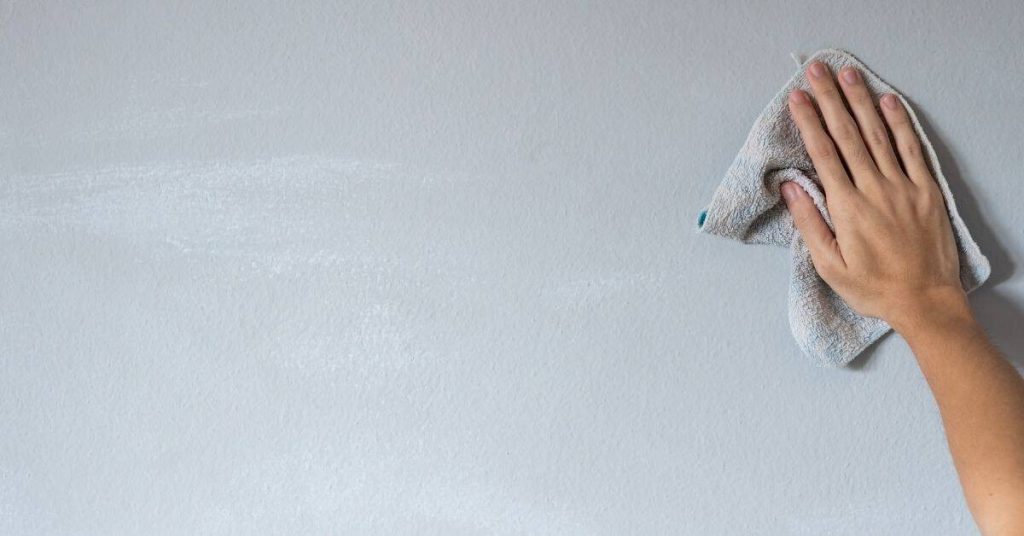
Hand wiping a smooth light gray wall with a cloth

Venetian Plaster in Bathrooms: Soap Scum, Cleaning, and Where It’s a Bad Idea

Introduction Venetian plaster in bathrooms is a polished, lime-based finish that can show soap scum and water marks if not cleaned with care. This article gives practical, hands-on tips for keeping the surface clean without risking damage. It also covers when it’s not a good idea to use harsh cleaners on this finish. White vinegar

Venetian Plaster in Bathrooms: Soap Scum, Cleaning, and Where It’s a Bad Idea Read More »

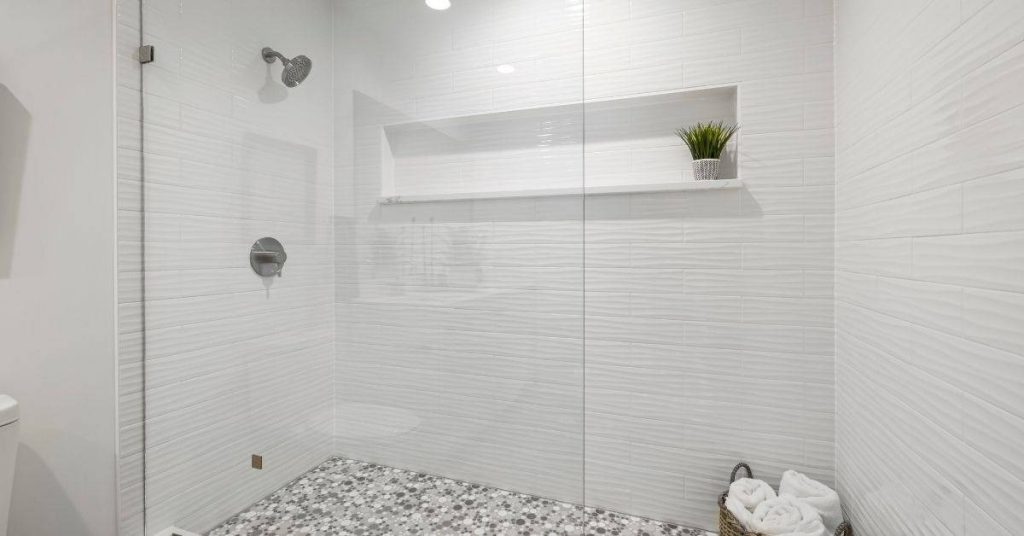
white textured tile shower with niche and glass door

Tadelakt on Shower Niches: Edge Details That Keep Water Out of Transitions

Introduction Tadelakt on shower niches is applying a polished lime-plaster finish to the niche with well-planned edge details to keep water from leaking into transitions. This is a hands-on DIY job, so you’ll be shaping and sealing the edges as you plaster and tile. Focus on edge trim profiles and how they meet the wall

Tadelakt on Shower Niches: Edge Details That Keep Water Out of Transitions Read More »

Yellow hard hat, safety gloves, white mask, and safety glasses on table

Categories

Categories: Concrete Practical concrete guides for DIY projects and repairs. You’ll find step-by-step help with prep, forms, reinforcement, finishing, curing, sealing, and troubleshooting common failures. If you’re new to concrete, start with curing/finishing timing and moisture basics first—they prevent most expensive mistakes. Stucco Stucco and cement-based render guides focused on details that prevent water damage

Categories Read More »

Stacked rough red bricks with varying colors and textures

Masonry (Brick & Block)

Brick & Block Guides: Start Here This hub is for masonry work—brick, block, mortar, joints, repairs, and the basics that make projects look straight and last. If you’re new to masonry, focus on layout and mortar control first. That’s what makes the difference between “DIY” and “clean job.” Start here Mortar selection (pick the right

Masonry (Brick & Block) Read More »

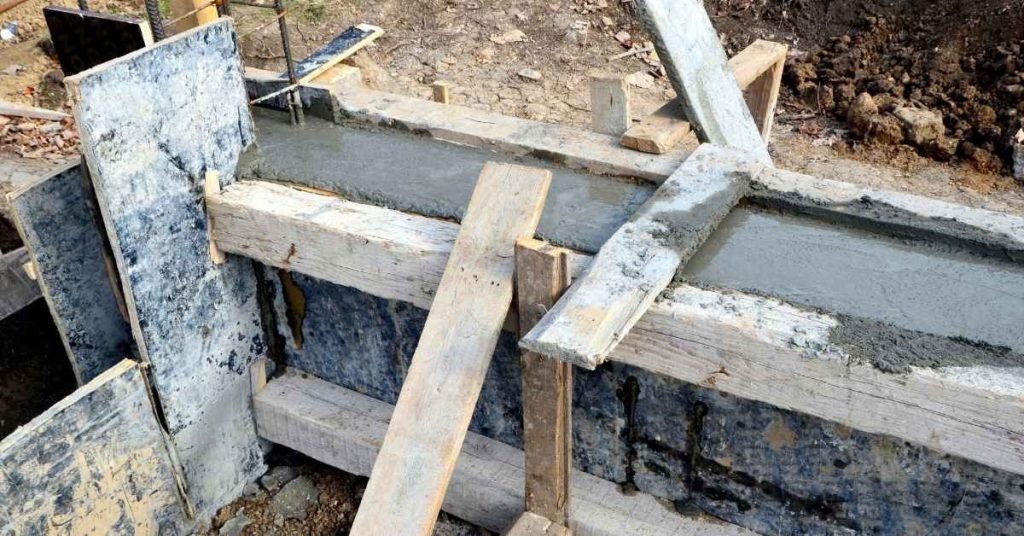
Wooden braces supporting concrete forms during pouring

How to Brace Tall Forms for Hydrostatic Pressure: A Practical DIY Design Check

Introduction Bracing tall forms against hydrostatic pressure means preventing movement and failure by anchoring and tying the forms securely. This introduction walks you through practical checks you can do on site, without heavy jargon or guesswork. Keep the focus on stability, simplicity, and safety as you set up supports. Before you pour, check that your

How to Brace Tall Forms for Hydrostatic Pressure: A Practical DIY Design Check Read More »

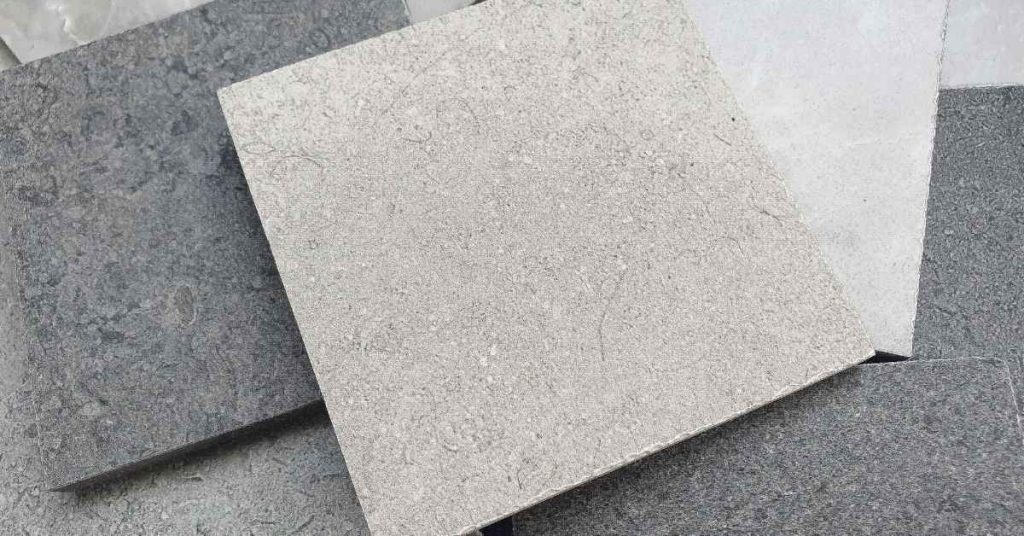
Close up of textured stone-like tiles in various gray shades

Form Liner Basics: Getting Consistent Texture and Avoiding Trapped Air Patterns

Introduction Form liner basics mean using flexible surface liners in concrete forms to shape texture and finish. They define the pattern you pull from the concrete and help control air pockets as the mix cures. We’ll cover how to choose liners, how they sit in the frame, and what to look for during setup. To

Form Liner Basics: Getting Consistent Texture and Avoiding Trapped Air Patterns Read More »

Concrete countertop with integrated sink and black faucet

How to Avoid Rebar Shadowing on Thin Countertops: Cover, Pigment, and Sealing Strategies

Introduction Rebar shadowing on thin countertops happens when embedded metal rebar or mesh shows through the surface. This article explains practical ways to prevent that by using proper cover, pigment strategy, and sealing steps. Always verify manufacturer instructions and local rules for materials and installation before you start. Cover techniques focus on keeping the metal

How to Avoid Rebar Shadowing on Thin Countertops: Cover, Pigment, and Sealing Strategies Read More »

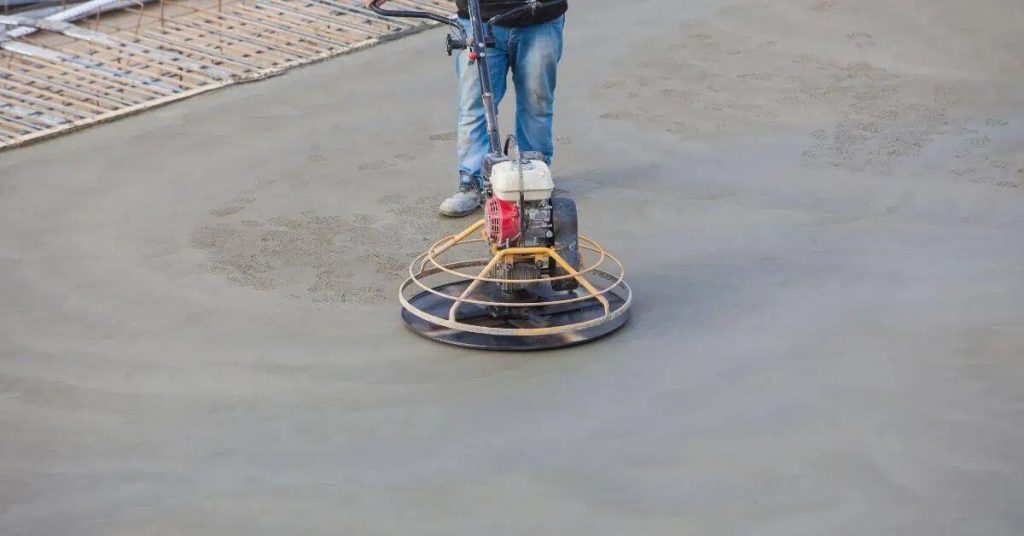
Person operating power trowel on fresh concrete surface

Concrete Finishing at High Altitude: Evaporation Spikes, Set Time Changes, and Curing Adjustments

Introduction Concrete finishing at high altitude means adjusting your process and materials to account for thinner air and changing weather so the slab cures properly and finishes stay intact. Keep the surface protected from rapid evaporation by scheduling pours for cooler parts of the day, covering with appropriate material soon after finishing, and watching wind

Concrete Finishing at High Altitude: Evaporation Spikes, Set Time Changes, and Curing Adjustments Read More »