Search Results for: control joint

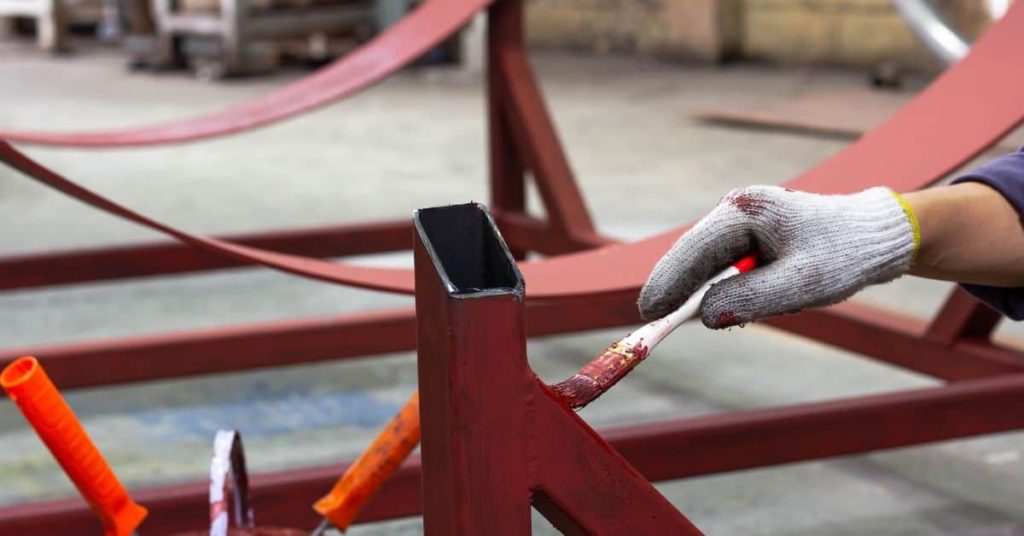
Gloved hand painting metal structure with red paintbrush

Plaster Delamination After Painting: Diagnosing Bad Primer vs Moisture vs Salt

Introduction Plaster delamination after painting is when the painted surface loses adhesion and the plaster layer peels or flakes away from the wall. It often points to issues with the primer, the presence of moisture, or salt-related damage behind the paint. Look for peeling edges, bubbling, or a chalky feel as you inspect the area. […]

Plaster Delamination After Painting: Diagnosing Bad Primer vs Moisture vs Salt Read More »
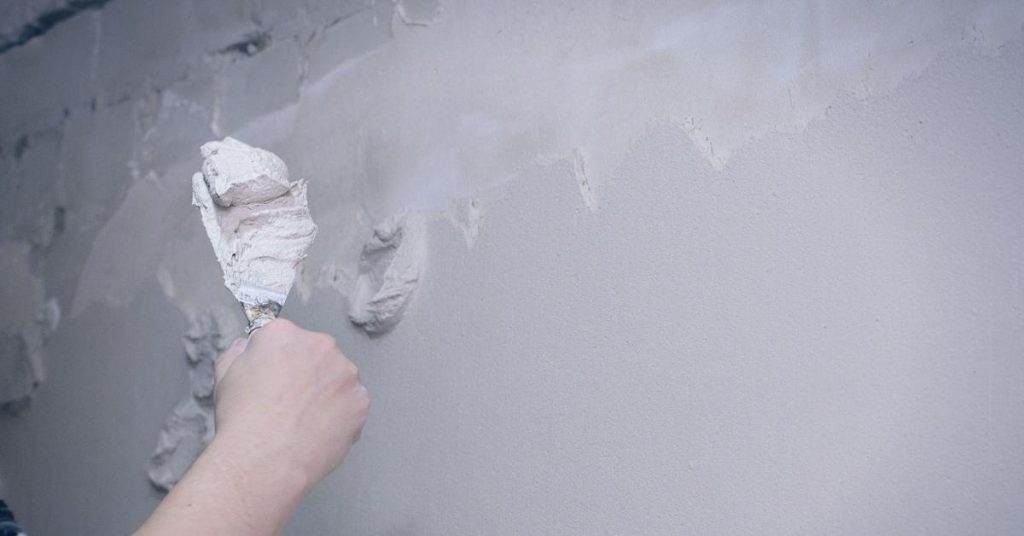
Hand applying plaster to damaged wall with trowel

Repairing Plaster Keys From the Back Side: When Access Exists and How to Lock It In

Introduction Repairing plaster keys from the back side means fixing the hidden anchors behind the plaster when you can reach them. You work from the cavity side, not the face, and you aim to reattach loose plaster to the lath or keys. This approach relies on solid access and careful placement to lock the repair

Repairing Plaster Keys From the Back Side: When Access Exists and How to Lock It In Read More »

Person applying joint compound near window on drywall corner

Setting-Type Compound on Plaster: When Hot Mud Beats Topping Compound

Introduction Setting-Type Compound on Plaster is a fast-setting patching material that cures through a chemical reaction, not just by drying. On plaster walls, it can provide a hard, sandable surface and may cut touch-up time compared to traditional topping compounds. Check label instructions and local rules for mix ratios, open time, and ventilation before starting.

Setting-Type Compound on Plaster: When Hot Mud Beats Topping Compound Read More »

Person spraying paint on white interior wall wearing protective gear

Painting Stucco After Patch Repairs: Timing, Primers, and Avoiding Halo Rings

Introduction Painting stucco after patch repairs means applying a fresh coat once patched areas have fully cured to protect and blend with the rest of the wall. Treat the patched spots as part of the surface and plan for color uniformity across the whole wall. Avoid rushing the cure; follow product labels and local rules

Painting Stucco After Patch Repairs: Timing, Primers, and Avoiding Halo Rings Read More »

Close-up of light gray rough stucco texture

Stucco Texture Matching on Large Patches: How to Avoid ‘Panel’ Look in Sunlight

Introduction Texture matching on large stucco patches is about blending new material with the existing surface so it doesn’t read as separate panels when sunlight hits it. Work in manageable areas, keep the texture consistent, and feather the edges so the changeover isn’t obvious. If you see a mismatch, adjust trowel pressure, use a compatible

Stucco Texture Matching on Large Patches: How to Avoid ‘Panel’ Look in Sunlight Read More »

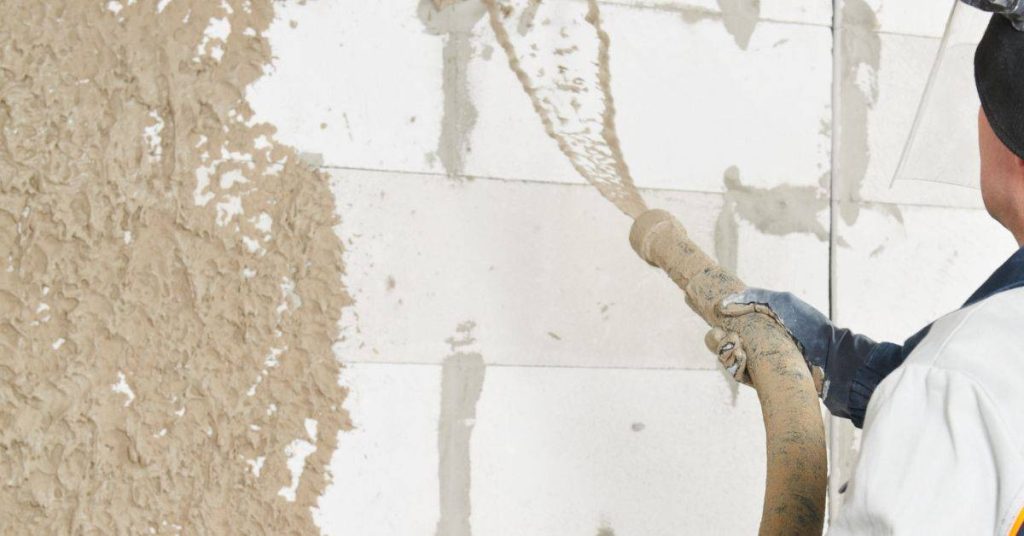
Person spraying stucco mixture onto a wall

How to Fix a Stucco Patch That Dries Too Fast: Pre-Wetting and Cure Mist Schedules

Introduction Pre-wetting and cure mist schedules help control how fast a stucco patch dries. This simple approach keeps the patch workable and reduces cracking. Set up a light dampening routine and watch for a smooth, even surface as you work. Common causes of rapid drying are sun exposure, wind, and heat on the patch area.

How to Fix a Stucco Patch That Dries Too Fast: Pre-Wetting and Cure Mist Schedules Read More »

Stack of gray concrete cinder blocks under blue sky

Concrete Planter Drain Holes: Placement, Wicking Risk, and Waterproofing Details

Introduction Concrete planter drainage holes are openings made in the sides or bottom to let excess water escape and keep soil from becoming waterlogged. Place them where excess water can drain freely and where roots won’t be damaged, keeping an eye on their placement relative to the planter edge. Too little drainage can cause waterlogging

Concrete Planter Drain Holes: Placement, Wicking Risk, and Waterproofing Details Read More »

Freshly poured concrete slab indoors under natural light

Choosing a Diamond Blade: Segmented vs Turbo vs Continuous for Concrete and Masonry

Introduction A diamond blade is a cutting wheel that uses industrial diamonds to slice through concrete, masonry, and similar materials. The common styles are segmented, turbo, and continuous. Each type has its own trade-offs, so the right pick depends on your material and cut. Cutting with these blades can be done wet or dry, but

Choosing a Diamond Blade: Segmented vs Turbo vs Continuous for Concrete and Masonry Read More »

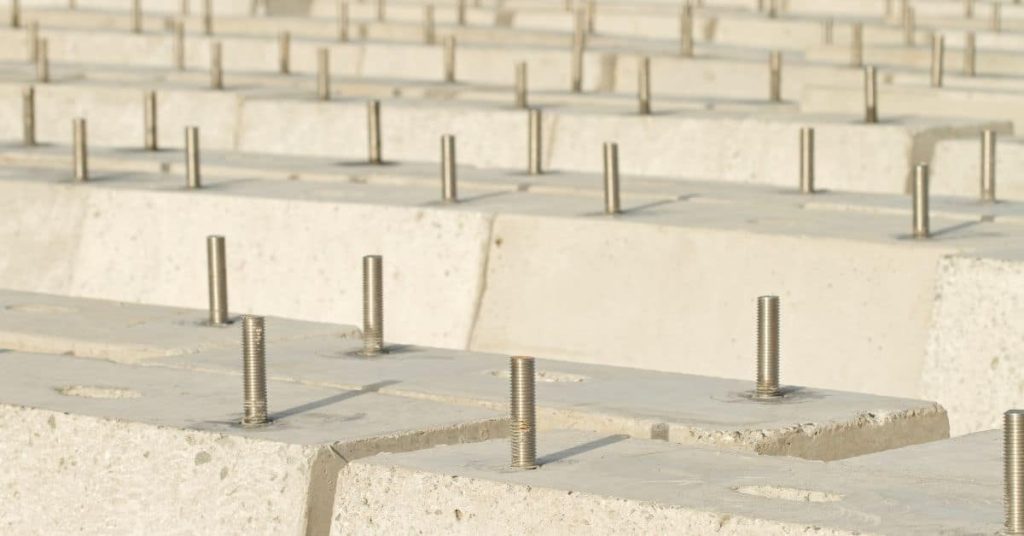
Rows of concrete blocks with metal anchor bolts embedded

Concrete Anchor Pullout: Hole Cleaning Levels That Actually Change Strength

Introduction Hole cleaning level refers to how clean the hole is before you install the anchor and that cleanliness can influence pullout strength. Different anchor types require different cleaning steps, and following the manufacturer’s instructions matters. In practice, I check for dust and debris, brush or air-blow the hole, and wipe it out until the

Concrete Anchor Pullout: Hole Cleaning Levels That Actually Change Strength Read More »