Search Results for: control joint stucco

Wooden concrete footing forms with rebar in dug soil

Making a Reusable Curved Form for Concrete Planters (Plywood vs. Plastic Forms)

Introduction A reusable curved form for concrete planters is a mold used to shape rounded walls and can be built from plywood or plastic. It’s designed to be strong enough to hold concrete until it cures and easy to loosen for reuse, with the fit and finish depending on the material you choose and how […]

Making a Reusable Curved Form for Concrete Planters (Plywood vs. Plastic Forms) Read More »

Smooth white ceiling with recessed lighting fixture hanging

How to Paint Over Cracked Paint: When to Scrape, When to Feather, When to Skim

Introduction Scraping, feathering, or skim coating cracked paint are the three main ways to treat cracked paint before repainting. The choice depends on how deep the cracks are and how smooth you want the surface to be. Check labels and local rules if you need exact limits or product compatibility. Use scraping when paint is

How to Paint Over Cracked Paint: When to Scrape, When to Feather, When to Skim Read More »

Close-up of textured concrete garage floor with white car in background

Moisture-Safe Concrete Coatings: What Works, What Doesn’t, and Why

Introduction Moisture-safe concrete coatings are sealers and finishes that slow or block water from the concrete surface. They help keep moisture from moving into basements, garages, or workshops. Choose options that fit your climate and surface, and always follow label directions. What doesn’t work for everyone can be a waste of time and money. In

Moisture-Safe Concrete Coatings: What Works, What Doesn’t, and Why Read More »

Concrete floor grinding machine smoothing surface

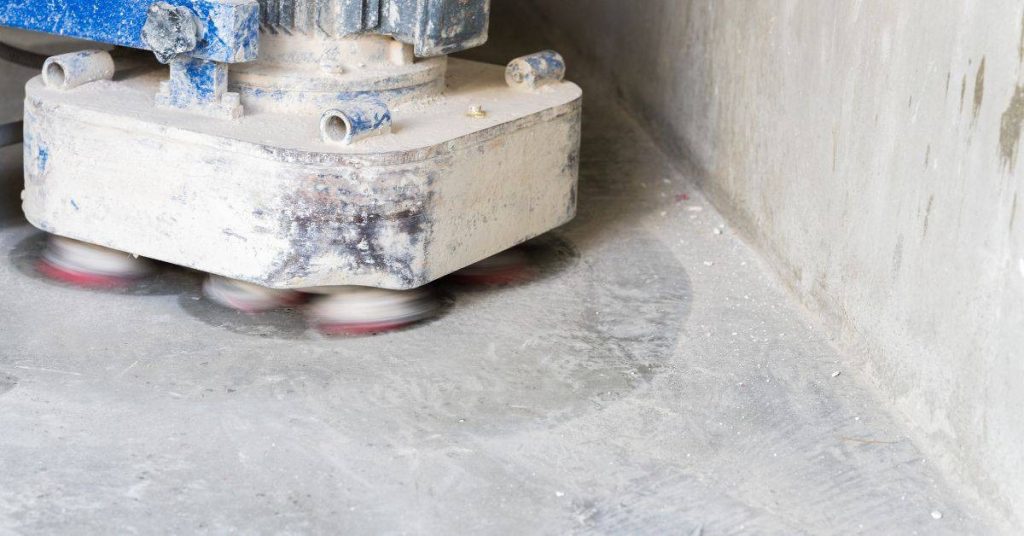
Fixing Birdbaths on Concrete: Grinding, Topping, and When to Re-Pour

Introduction Grinding, topping, and re-pouring are practical steps to repair and level a birdbath set in concrete. This DIY guide walks you through evaluating the damage, choosing a plan, and doing the work safely. You’ll learn what to check on materials and how to approach the job without fancy tools. Start by inspecting the existing

Fixing Birdbaths on Concrete: Grinding, Topping, and When to Re-Pour Read More »

Stacked precast concrete hollow core slabs on dirt ground

Concrete Crazing vs Cracking: How to Tell the Difference on New Slabs

Introduction Crazing is a fine, spiderweb-like network of tiny surface cracks on a new slab. Cracking refers to larger, more obvious breaks that can run through the slab. They behave differently in the field and require different checks. Crazing is usually tied to rapid surface drying, finishing practices, or the way the surface was treated,

Concrete Crazing vs Cracking: How to Tell the Difference on New Slabs Read More »

Hand painting wooden deck with paintbrush and red stain

Faster, Neater Painting: Systems That Save Time Without Sloppy Results

Introduction Faster, neater painting means finishing coats with fewer touch-ups by using careful prep, efficient tools, and smart technique. It’s about not wasting time on messy rework and getting a smooth, even result the first time. This article covers practical, hands-on steps you can follow at home. Start with a clean surface, gather the essential

Faster, Neater Painting: Systems That Save Time Without Sloppy Results Read More »

Worker painting interior wall yellow with roller

Painting Over Efflorescence: How to Stop Salts From Ruining Your Finish

Introduction Efflorescence is the white, powdery salt that can migrate to a wall surface when moisture moves through masonry. It can appear on painted or unpainted surfaces and can ruin a finish if not addressed. Before painting, you need to identify and clean it so the new coating can adhere. Identify efflorescence on walls and

Painting Over Efflorescence: How to Stop Salts From Ruining Your Finish Read More »

Hand painting wall corner with roller

Wall Painting Checklist: What to Inspect, Measure, and Repair for a Lasting Finish

Introduction Wall painting checklist is a practical, step-by-step guide to inspect, measure, and repair walls before painting. It helps you spot cracks, peeling paint, stains, and uneven surfaces so you can plan the work. Use it to map prep steps, materials, and timelines so the finish lasts longer. If permits apply in your area, check

Wall Painting Checklist: What to Inspect, Measure, and Repair for a Lasting Finish Read More »