Search Results for: contractor to pour concrete slab

Smooth light gray concrete wall surface with faint texture

Finishing Fiber-Reinforced Concrete: How to Avoid “Hairy” Fibers at the Surface

Introduction Hairy fibers at the surface happen when fibers protrude from the concrete finish. This surface issue is usually caused by how the mix is placed and how fibers are distributed during finishing. Work with the goal of keeping fibers below the surface as you strike off and trowel. Synthetic fibers can help with crack

Finishing Fiber-Reinforced Concrete: How to Avoid “Hairy” Fibers at the Surface Read More »

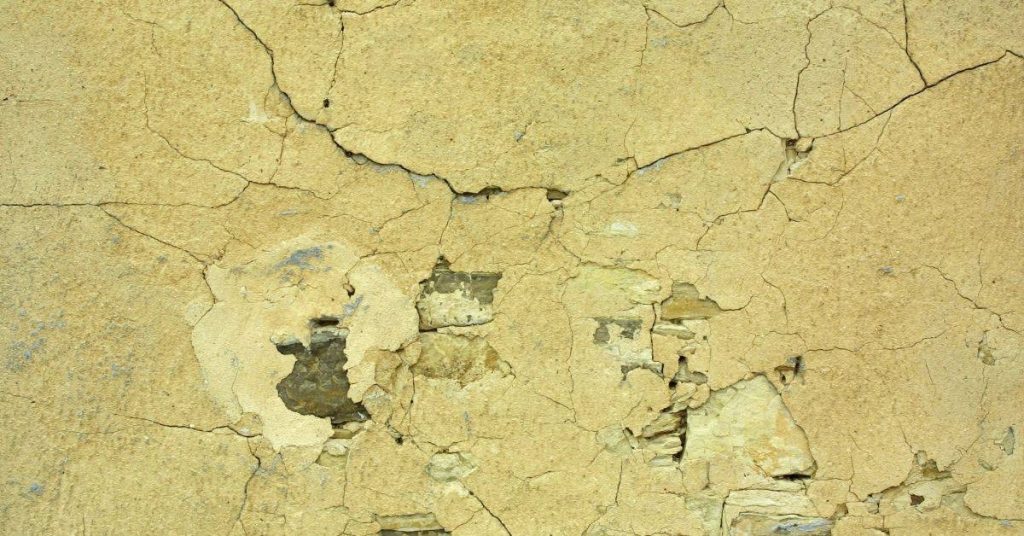
Close-up of cracked and deteriorated concrete wall surface

Microfiber vs Macro Fiber in Concrete: Which to Use (and When)

Introduction Microfibers are ultra-fine fibers added to concrete to improve toughness and crack control. Macro fibers are coarser, longer fibers that help bridge larger cracks and add toughness. For DIY projects, the choice depends on the expected loads and how much cracking you want to limit. In practice, microfibers are mixed at small doses to

Microfiber vs Macro Fiber in Concrete: Which to Use (and When) Read More »

Gray liquid concrete being poured from bucket onto surface

Concrete Isolation Joints: Where to Place Them Around Walls and Columns

Introduction An isolation joint is a gap that lets the concrete slab move independently from walls and columns to prevent cracking. In this article we cover where to put them around walls and columns in a DIY-friendly way, not a textbook. Check local rules and manufacturer instructions for placement guidance. Geotechnical soil conditions and reports

Concrete Isolation Joints: Where to Place Them Around Walls and Columns Read More »

Empty concrete parking garage with support columns and painted lines

Concrete Creep: Why Countertops and Shelves Sag Over Time (and How to Prevent It)

Introduction Concrete creep is the slow, ongoing deformation that happens in hardened concrete under sustained load. It means the material slowly changes shape over time as it bears weight from countertops and shelves. In plain terms, the longer something sits on concrete, the more it can sag or shift a little bit. Common causes include

Concrete Creep: Why Countertops and Shelves Sag Over Time (and How to Prevent It) Read More »

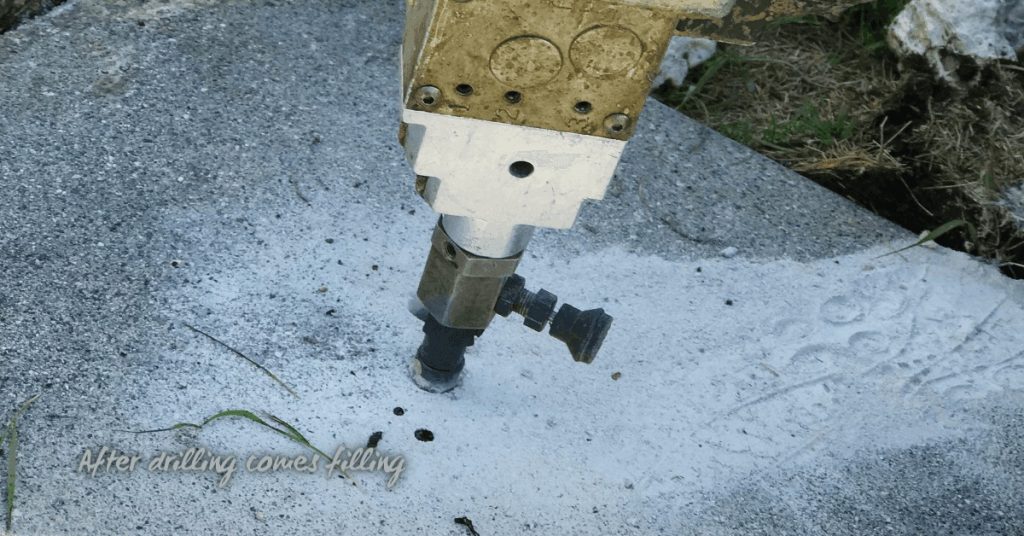
drill bit making hole in concrete slab outdoors

Radon Rough-In Under a Slab: Pipe Routing, Sealing, and Must-Have Details

Introduction Radon rough-in under a slab is routing and sealing a pipe under a concrete floor to vent soil gas safely. Do this with plain instructions: plan the path, verify access, and seal joints to limit leaks, while following local rules and manufacturer notes. Before you start, check local rules and follow any recommended testing

Radon Rough-In Under a Slab: Pipe Routing, Sealing, and Must-Have Details Read More »

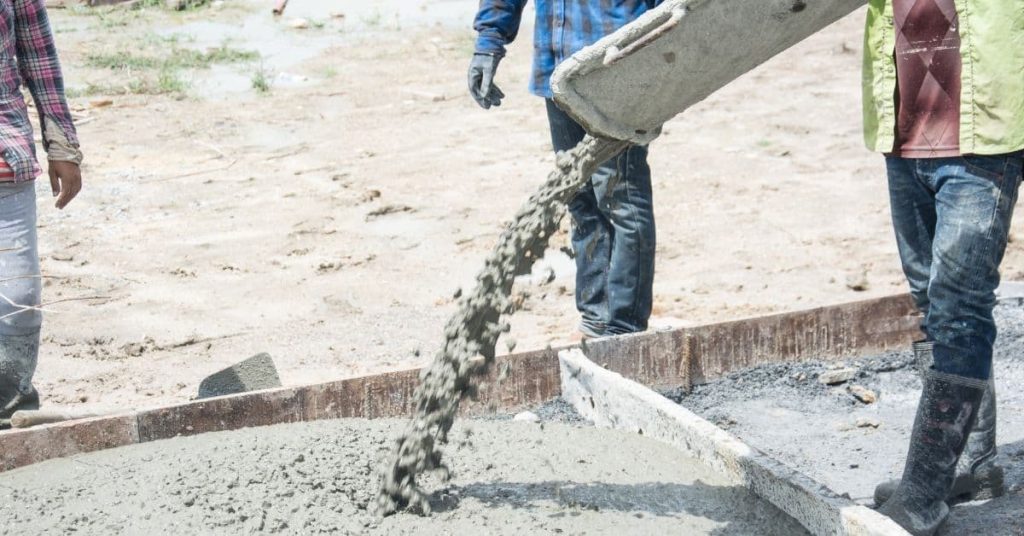
Workers pouring wet concrete into a wooden frame outdoors

Cellular Concrete Uses: Trench Backfill and Under-Slab Fill (Pros, Cons, DIY Limits)

Introduction Cellular concrete is a lightweight concrete mix used for trench backfill and under-slab fill. It is also known as foamed or aerated concrete, and it’s discussed as a DIY-friendly option with attention to local rules and product instructions. It’s not a substitute for every job, so check what your project requires first and follow

Cellular Concrete Uses: Trench Backfill and Under-Slab Fill (Pros, Cons, DIY Limits) Read More »

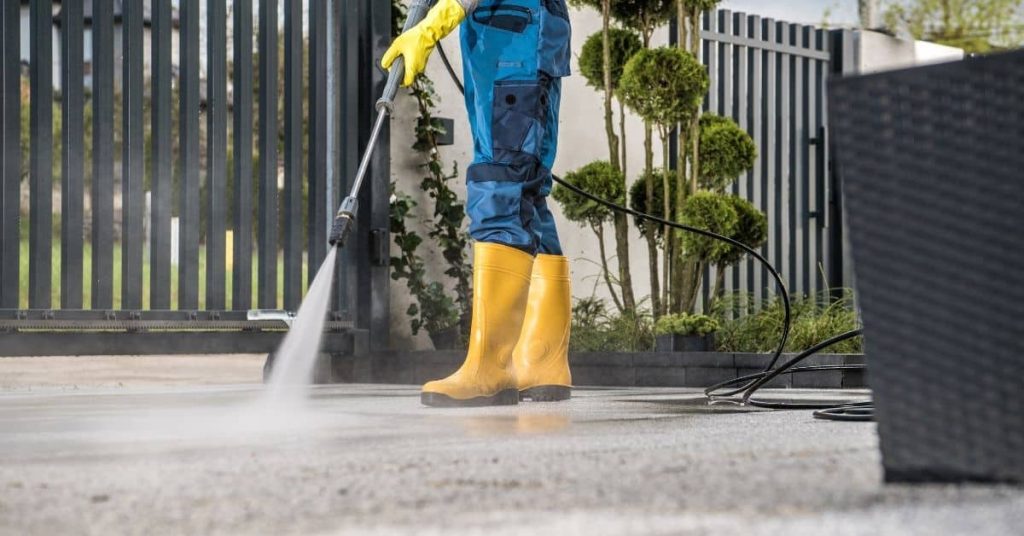
Person pressure washing concrete patio wearing yellow boots

Pervious Concrete for Patios: Design Basics, Placement Tips, and Why It Clogs

Introduction Pervious concrete for patios lets rainwater pass through the surface to the ground below. For DIY work, you focus on maintaining voids, even compaction, and a good surface finish while checking that your soil can accept infiltrated water. This introduction lays out the practical design and planning steps you’ll need to start a pervious

Pervious Concrete for Patios: Design Basics, Placement Tips, and Why It Clogs Read More »

Workers pouring concrete over dense rebar on construction site

SCC vs Regular Concrete: Best Uses in Dense Rebar (and Can You DIY It?)

Introduction SCC, or self-consolidating concrete, is a flowable mix that settles around dense rebar without vibration. For DIY, this means less hammering and fewer air pockets, but you still need good formwork and clean rebar. Always check the product label and local rules for any restrictions or requirements on your project. Advantages and disadvantages depend

SCC vs Regular Concrete: Best Uses in Dense Rebar (and Can You DIY It?) Read More »

Stacked gray cement bags piled outdoors

LC3 Cement Explained: Low-Carbon Concrete for Decorative Work (Pros, Cons, Pitfalls)

Introduction LC3 cement is a low‑carbon concrete mix that combines clinker with limestone to reduce emissions. In practice, it blends ordinary cement components with limestone to change the chemistry and clinker demand. As a DIY reader, check the bag label and local guidelines to see if LC3 fits your project. For decorative work, LC3 can

LC3 Cement Explained: Low-Carbon Concrete for Decorative Work (Pros, Cons, Pitfalls) Read More »