Search Results for: contractor cement

close-up of blue textured stucco wall surface

How to Patch Small Stucco Cracks That Keep Coming Back

Introduction Recurring small stucco cracks can be patched, but success depends on whether movement has stopped. Common DIY methods include caulking, meshing with reinforcement, or applying a new coat over the repaired area. Before you patch, assess how many cracks there are and whether they seem to be spreading, which guides your method. Expect patches […]

How to Patch Small Stucco Cracks That Keep Coming Back Read More »

close-up of white textured stucco wall surface

How to Identify Your Stucco Type (Traditional, Acrylic, Eifs) Before Repairing

Introduction Identifying your stucco type means distinguishing traditional cement or lime-based stucco from acrylic and EIFS. Traditional stucco is usually cement-based, acrylic uses polymers, and EIFS adds an insulated finish. Check the surface feel, appearance, and any labeling to confirm the type before starting repairs. Have the right tools and materials on hand, including scrapers,

How to Identify Your Stucco Type (Traditional, Acrylic, Eifs) Before Repairing Read More »

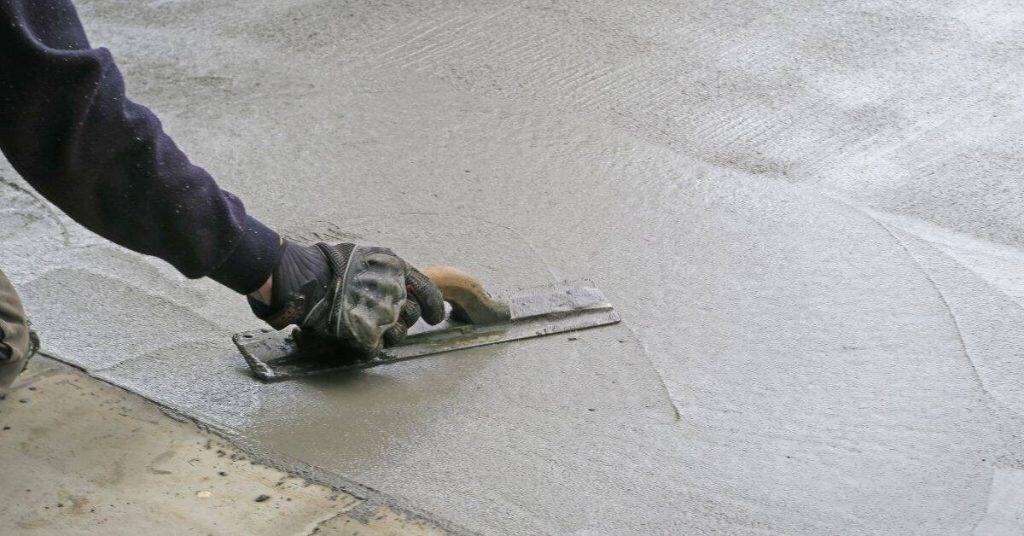
Hand with glove applying stucco using metal trowel on wall

Stucco System Breakdown: 3-Coat Vs 1-Coat Vs Eifs (What You’re Actually Getting)

Introduction Three-coat stucco is the traditional layered plaster finish built up in separate coats over a lath or substrate. In practical terms, it yields a durable, textured look when done right. It’s labor intensive and relies on proper substrate prep, mixing, and careful control of cracking and finish work. One-coat systems combine base and finish

Stucco System Breakdown: 3-Coat Vs 1-Coat Vs Eifs (What You’re Actually Getting) Read More »

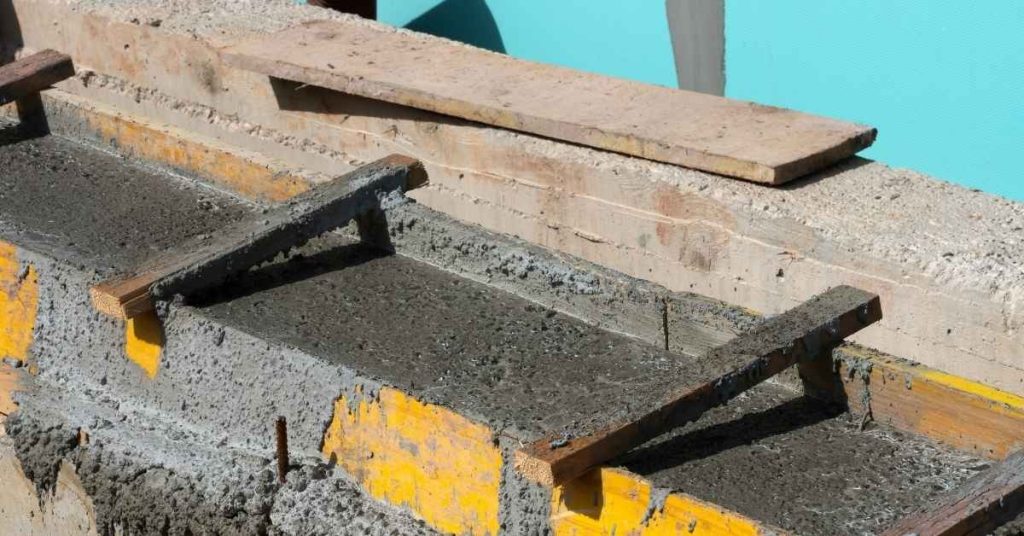
Fresh concrete poured into wooden formwork outdoors

Concrete Pour in the Rain: What to Do Before, During, and After

Introduction Pouring concrete in rain is risky and generally not advised. Weather can affect strength and finish, so plan for dry conditions if possible. If rain is unavoidable, check local guidelines and follow manufacturer and code instructions. Protect the mix, forms, and tools from direct rain and keep the work area as dry as possible.

Concrete Pour in the Rain: What to Do Before, During, and After Read More »

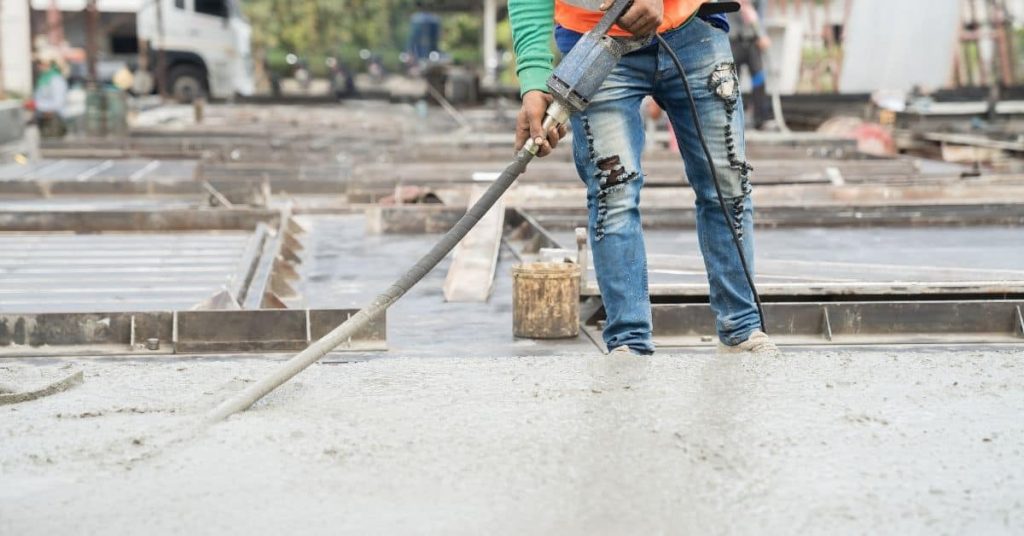
Worker pouring concrete slab at construction site

Radon Barrier and Sub-Slab Venting: DIY-Friendly Options Under a New Slab

Introduction Radon barrier and sub-slab venting are methods to prevent radon gas from entering a new slab by managing soil gases under the concrete. This article covers practical, DIY-friendly approaches you can consider during a new slab pour. You’ll need to test the site and follow local rules to know what level of mitigation is

Radon Barrier and Sub-Slab Venting: DIY-Friendly Options Under a New Slab Read More »

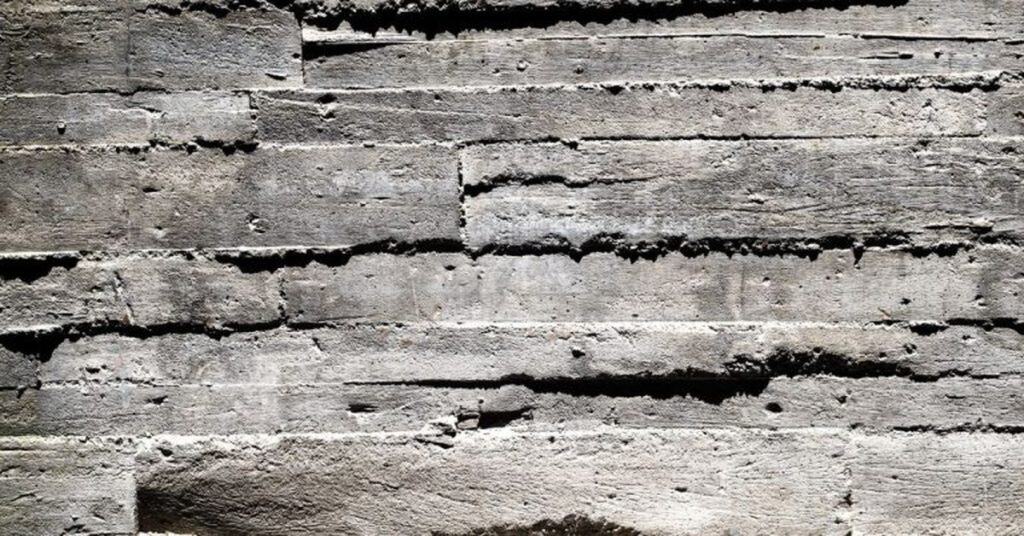
Close up of rough concrete surface with wood form texture

Vapor Barrier Under Concrete Slabs: When You Need It and How to Install It

Introduction A vapor barrier under concrete slabs is a sheet or layer placed beneath the slab to slow or stop moisture from the ground. Use it when the soil is damp, there is a chance of rising moisture, or the project requires a dry, stable floor. Check local guidance and the manufacturer’s installation instructions for

Vapor Barrier Under Concrete Slabs: When You Need It and How to Install It Read More »

Workers pouring concrete over rebar grid on construction site

Concrete Slab Thickness Guide: 4-Inch, 5-Inch, 6-Inch and When Each Makes Sense

Introduction This guide explains when to use concrete slabs of 4, 5, or 6 inches. The thickness you choose depends on the finished use, soil conditions, and expected load. Always check local rules and project requirements before pouring. In the field, folks often opt for lighter slabs for simple patios, while heavier loads call for

Concrete Slab Thickness Guide: 4-Inch, 5-Inch, 6-Inch and When Each Makes Sense Read More »

White floor tiles with visible grout lines

Who’s Responsible for Sealing Grout on New Tile?: Problems Explained: Causes, Testing, and Fixes

Introduction Sealing grout on new tile is a responsibility that should be agreed upon between homeowner and contractor. If grout is not sealed, it can stain or absorb moisture, which is why the topic matters. Check who agreed on sealing and what the manufacturer or installer recommends for your job. How to test if sealing

Who’s Responsible for Sealing Grout on New Tile?: Problems Explained: Causes, Testing, and Fixes Read More »