Search Results for: contractor cement

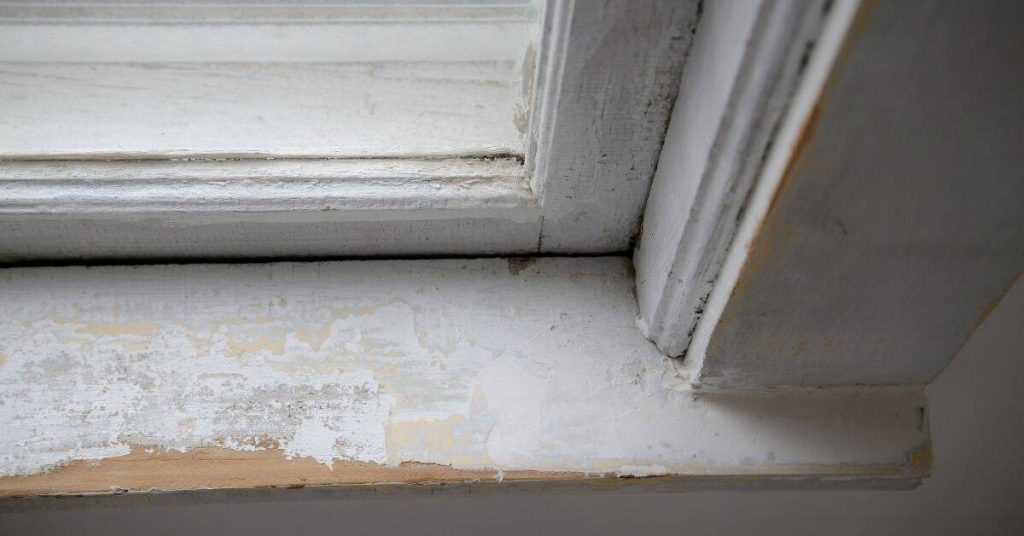
Close-up of peeling paint on white exterior wooden window trim

Paint Peeling on Exterior Trim: Moisture Checks and Prep That Works

Introduction Peeling exterior trim paint is the finish flaking off due to moisture invading the surface. Before you redo it, check for moisture and prepare the area so you can scrub and inspect properly. This article walks you through pressure washing, scraping, and priming in a hands-on way. Start by cleaning with pressure washing, then

Paint Peeling on Exterior Trim: Moisture Checks and Prep That Works Read More »

Hand painting wall corner with roller

Wall Painting Checklist: What to Inspect, Measure, and Repair for a Lasting Finish

Introduction Wall painting checklist is a practical, step-by-step guide to inspect, measure, and repair walls before painting. It helps you spot cracks, peeling paint, stains, and uneven surfaces so you can plan the work. Use it to map prep steps, materials, and timelines so the finish lasts longer. If permits apply in your area, check

Wall Painting Checklist: What to Inspect, Measure, and Repair for a Lasting Finish Read More »

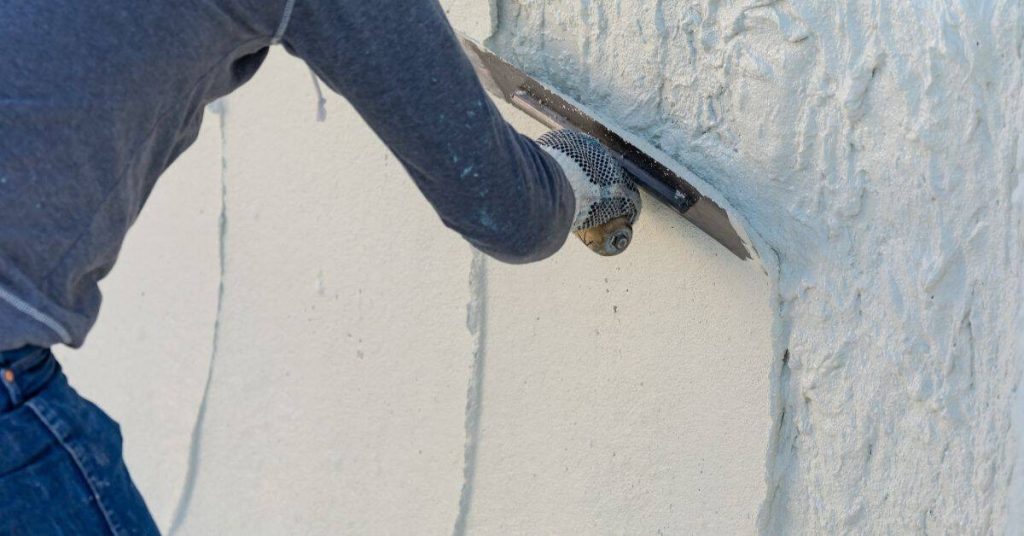
Person smoothing wet stucco on wall with trowel

Decorating Stucco Siding: Safe Ways to Hang, Mount, and Upgrade

Introduction Decorating stucco siding means safely hanging, mounting, and upgrading items on stucco surfaces. This article shares practical methods and the checks you should make before you start. Stucco is a exterior finish that requires the right fasteners and proper installation. From stucco screws and anchors to hot-melt glue and adhesive strips or hooks, we’ll

Decorating Stucco Siding: Safe Ways to Hang, Mount, and Upgrade Read More »

Hand with glove painting metal structure red with roller

Home Painting Ideas: Finishes, Features, and Common Pitfalls

Introduction Home painting ideas describe finishes, features, and common pitfalls you’ll run into when updating walls. This guide stays practical and plain-spoken, helping a DIYer plan, prep, and paint without turning it into a headache. It focuses on finishes, features you can add, and the mistakes to avoid along the way. Prepare the surface first

Home Painting Ideas: Finishes, Features, and Common Pitfalls Read More »

Fan of various tile samples with different colors and patterns

Color Sampling Without Regret: Lighting Checks and Large-Sample Method

Introduction Color sampling without regret is testing colors under real lighting with a large sample before committing. In practice, you inspect swatches or patches in the rooms where the work will happen, at different times of day, to see how they read. Make sure you check the actual light sources and surfaces you’ll be painting,

Color Sampling Without Regret: Lighting Checks and Large-Sample Method Read More »

Close-up of textured beige stucco wall surface

Surfactant Damage on Stucco Coatings: What to Check Before You Repaint

Introduction Surfactant damage on stucco coatings happens when cleaners leave residues that affect adhesion and finish. In plain terms, you might see streaks, halos, or softness where the coating meets the wall. Before repainting, check for residue depth, film buildup, and any moisture issues that could be aggravated by detergents. Then do a simple test

Surfactant Damage on Stucco Coatings: What to Check Before You Repaint Read More »

Partially removed tan stucco revealing brick wall underneath

Stucco Soft Spots at the Base: Diagnosing Capillary Wicking vs Leaks

Introduction Soft spots at the base of stucco usually indicate moisture intrusion, most commonly capillary wicking or a leak. Capillary wicking pulls moisture up from the ground through tiny openings in the stucco and underlying plaster. Leaks come from gaps, cracks, or failed flashings letting water in. To tell them apart, look for wetness patterns,

Stucco Soft Spots at the Base: Diagnosing Capillary Wicking vs Leaks Read More »