Search Results for: contractor cement

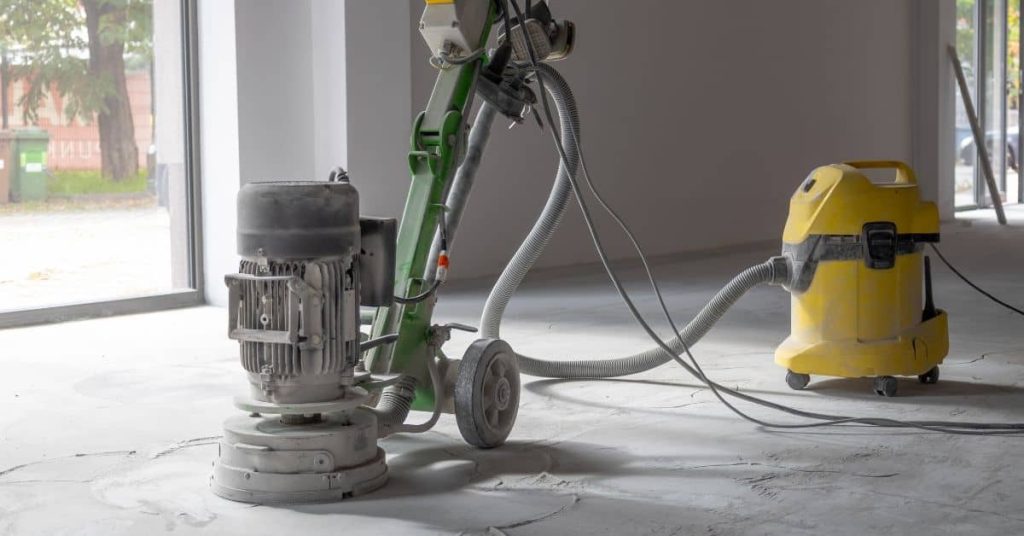
Concrete floor grinder connected to yellow vacuum cleaner

Bugholes on Formed Concrete: Vibration, release agents, and mix tweaks that help

Introduction Bugholes on formed concrete are small air cavities that mar the surface after form removal. They happen from trapped air, sticky release agents, or improper vibration. In DIY work, you can reduce them by adjusting how you vibrate, how you release the form, and how you mix your concrete. Use the right vibration technique […]

Bugholes on Formed Concrete: Vibration, release agents, and mix tweaks that help Read More »

Concrete outdoor table with matching square stools and plants

Broadcast Sand on Concrete: When it helps traction and when it makes a mess

Introduction Broadcasting sand on concrete is the practice of spreading loose sand across a surface to improve traction. It can help when the surface is slick, but it can also track into the house and create a mess if overdone. Best times to broadcast sand are when the surface is dry and conditions won’t quickly

Broadcast Sand on Concrete: When it helps traction and when it makes a mess Read More »

Stacked precast concrete slabs outdoors at construction site

Wet Curing Concrete: Best methods for small slabs, steps, and patches

Introduction Wet curing is keeping fresh concrete moist after placement to allow proper hydration and development of strength. It helps minimize surface cracks and improves durability over time. For small slabs, patches, and steps, you’ll choose a method that suits the surface and weather while keeping the concrete consistently damp. Common methods include ponding water,

Wet Curing Concrete: Best methods for small slabs, steps, and patches Read More »

Concrete surface with small holes and surface pitting

Air Entrained Concrete: When it’s necessary and how to avoid surface pitting

Introduction Air entrained concrete is concrete that includes tiny air bubbles introduced by a special additive to improve its performance. These micro-bubbles help when water freezes and expands, reducing cracks in the slab. It’s a common choice for projects that sit outside or face temperature swings. Use is appropriate when you want a smoother surface

Air Entrained Concrete: When it’s necessary and how to avoid surface pitting Read More »

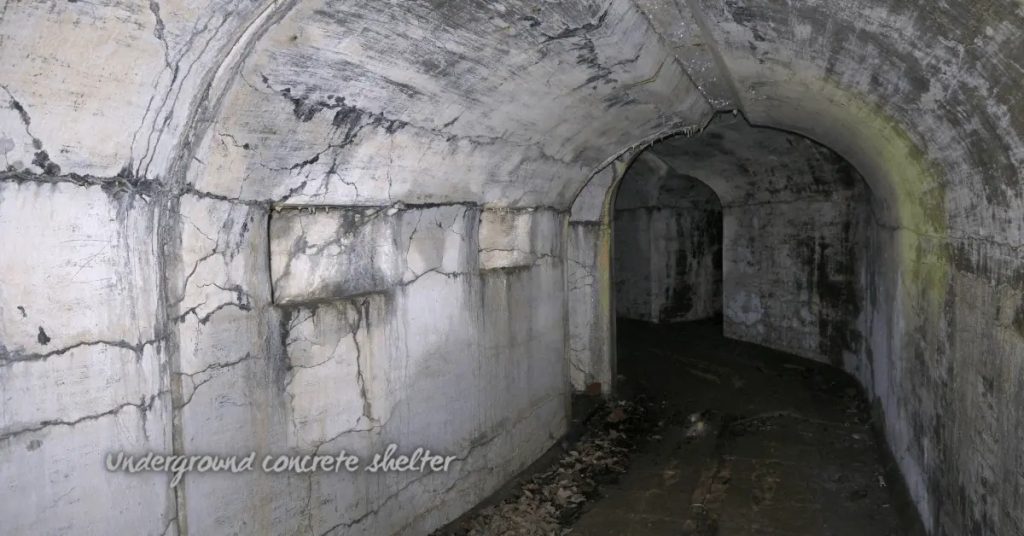
Cracked concrete walls and ceiling in underground tunnel

Poly Fiber Balls in Concrete: Why they happen and how to mix without clumps

Introduction Poly fiber balls are clumps that form when poly fiber additives ball up in wet concrete. They look like stringy lumps that don’t disperse evenly through the mix. Understanding why helps you avoid them when you’re DIY mixing. Causes include too much fiber, uneven distribution, and mixing too aggressively. Add fibers gradually, mix at

Poly Fiber Balls in Concrete: Why they happen and how to mix without clumps Read More »

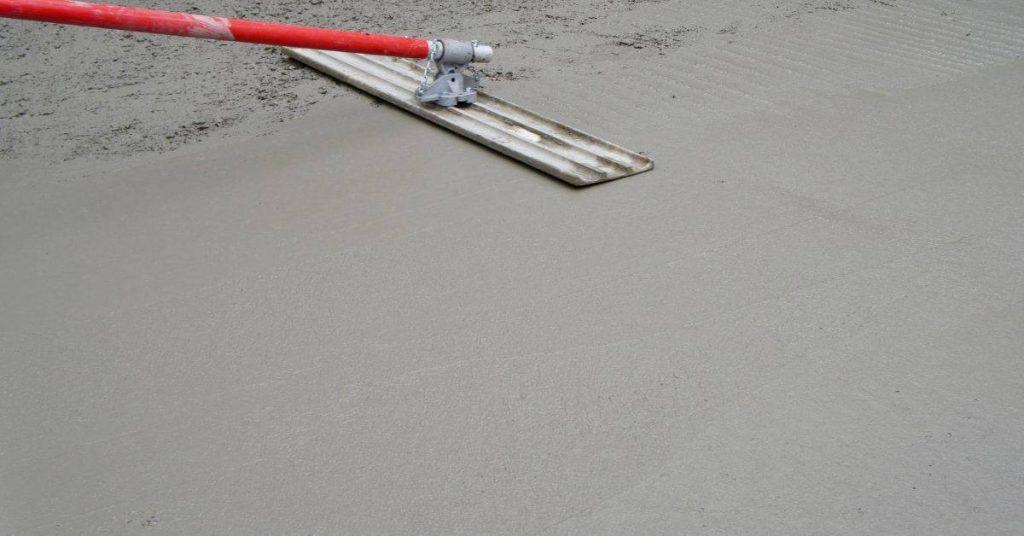
Close-up of concrete screed tool smoothing wet concrete slab

Concrete Bleed Water: Finishing timing to avoid dusting, blisters, and flakes

Introduction Bleed water is the surface water that rises through the concrete mix as it sets. Finishing timing means waiting for that water to emerge and begin to dry before you apply final troweling or brooming. Doing it too soon can trap moisture and lead to dusting, blisters, or flaking later. The bleeding rate depends

Concrete Bleed Water: Finishing timing to avoid dusting, blisters, and flakes Read More »

Long-handled tool smoothing fresh concrete slab surface

Concrete Paste vs Aggregate Balance: Why some slabs finish smooth and others tear

Introduction A smooth concrete slab starts with a proper paste-to-aggregate balance and clean finishing technique. Too much paste or too little can cause a rough touch or surface tearing; using the right balance alongside the standard finishing steps helps the surface stay uniform. Always verify with the product label or local guidelines if you’re unsure

Concrete Paste vs Aggregate Balance: Why some slabs finish smooth and others tear Read More »

Black metal fence with gold decorative spikes close-up

Concrete Fibers Explained: Microfiber vs macrofiber and what each actually does

Introduction Concrete fibers are tiny reinforcing additives added to concrete to improve crack resistance and durability. Microfibers are very fine fibers that help control tiny cracks and plastic shrinkage, while macrofibers are larger and designed to increase toughness and impact resistance. In DIY terms, you’ll notice better handling and fewer tiny cracks, but you still

Concrete Fibers Explained: Microfiber vs macrofiber and what each actually does Read More »

White concrete mixer truck at a construction site

Water Reducer vs Extra Water: How to improve workability without weakening concrete

Introduction Water reducers are additives that improve workability without adding extra water. They help concrete flow and finish smoother, so you can spread and trowel more easily while keeping the mix consistent. Check the product label and manufacturer guidance to use them safely on your project. Adding extra water can make work easier in the

Water Reducer vs Extra Water: How to improve workability without weakening concrete Read More »