Search Results for: contractor cement

blue stucco wall with textured surface and corner detail

Stucco Around Hose Bibs: Repairing Cracked Sealant and Adding a Proper Sleeve

Introduction This article shows you how to repair cracked stucco around a hose bib and add a proper water sleeve when you replace the sealant. You’ll remove the old cracked sealant, inspect the bib, and install a sleeve before the new stucco and sealant go in. It’s a hands-on, practical repair you can tackle with […]

Stucco Around Hose Bibs: Repairing Cracked Sealant and Adding a Proper Sleeve Read More »
white textured tile shower with niche and glass door

Tadelakt on Shower Niches: Edge Details That Keep Water Out of Transitions

Introduction Tadelakt on shower niches is applying a polished lime-plaster finish to the niche with well-planned edge details to keep water from leaking into transitions. This is a hands-on DIY job, so you’ll be shaping and sealing the edges as you plaster and tile. Focus on edge trim profiles and how they meet the wall

Tadelakt on Shower Niches: Edge Details That Keep Water Out of Transitions Read More »

fresh concrete partially poured on rough surface

Using Burlap for Wet Curing: How to Keep It Wet Without Staining the Surface

Introduction Burlap can be used to keep concrete moist during curing without staining the surface when applied correctly. This method relies on evenly saturated burlap laid over the fresh pour and kept moist. Check the burlap material and manufacturer guidance for suitability and any surface protection needs. Choose burlap that is plain and untreated, and

Using Burlap for Wet Curing: How to Keep It Wet Without Staining the Surface Read More »

black wooden double entry doors with small window panes

Saw-Cut Timing With Early-Entry Saws: When They Beat a Standard Saw

Introduction Early-entry saws let you start a cut sooner than a standard saw. This approach aims to save time and reduce waiting around for equipment or setup. Keep in mind you must check safety and jobsite rules before changing timing. Plan your sequence, set up blades, and keep steady progression to avoid overheating or mistakes.

Saw-Cut Timing With Early-Entry Saws: When They Beat a Standard Saw Read More »

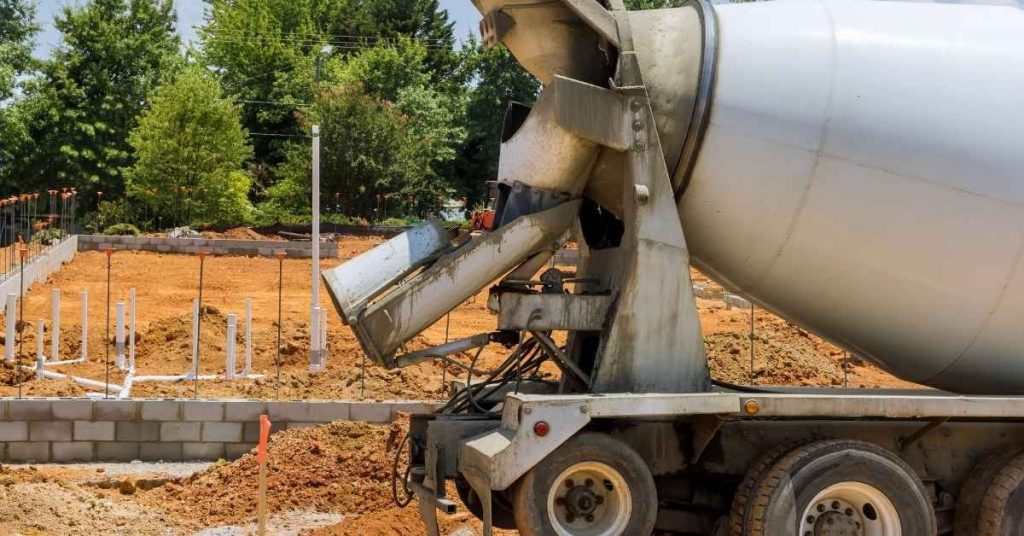
Concrete mixer truck pouring foundation at construction site

Concrete on Expansive Soils: Subbase Choices That Reduce Seasonal Heave

Introduction A subbase is the layer beneath a concrete pavement that provides support and a leveled, dry foundation. It helps distribute loads, control settlement, and keep the surface from shifting as soils move. For expansive soils, choosing the right subbase means considering drainage, compaction, and how moisture affects soil volume. Think of subbase choices as

Concrete on Expansive Soils: Subbase Choices That Reduce Seasonal Heave Read More »

Closeup of power drill chuck with drill bit attached

Thickened-Edge Slabs vs Grade Beams: Choosing the Simpler Detail That Still Meets Loads

Introduction Thickened-edge slabs and grade beams are two ways to carry loads from the surface to the soil. This article tells you how to pick the simpler option that still meets the load needs. I’ll keep it practical and straight to the point for a DIY build. You’ll get a plain-language view of when a

Thickened-Edge Slabs vs Grade Beams: Choosing the Simpler Detail That Still Meets Loads Read More »

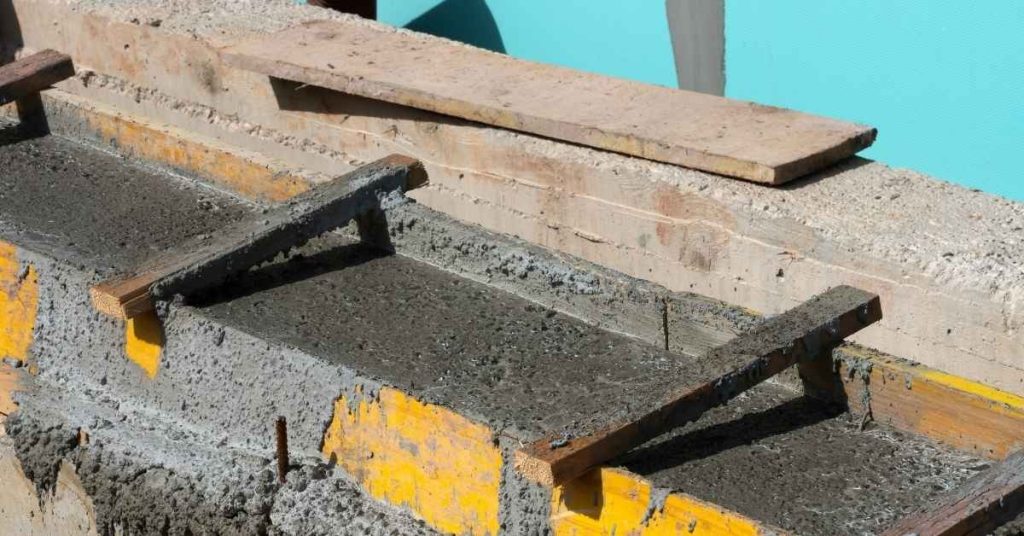
Freshly poured concrete in wooden formwork outdoors

Dealing With Surprise Rain Mid-Pour: What to Cover, What to Keep Working, and What to Redo

Introduction Rain mid-pour can ruin fresh concrete; cover, protect, and resume safely. Protect exposed areas with appropriate coverings, don’t work on wet concrete, and check forms for any change. After rain, inspect for surface defects, damp spots, or set delays before continuing. Resume pouring only when conditions are right and you follow the coating and

Dealing With Surprise Rain Mid-Pour: What to Cover, What to Keep Working, and What to Redo Read More »