Search Results for: contractor cement

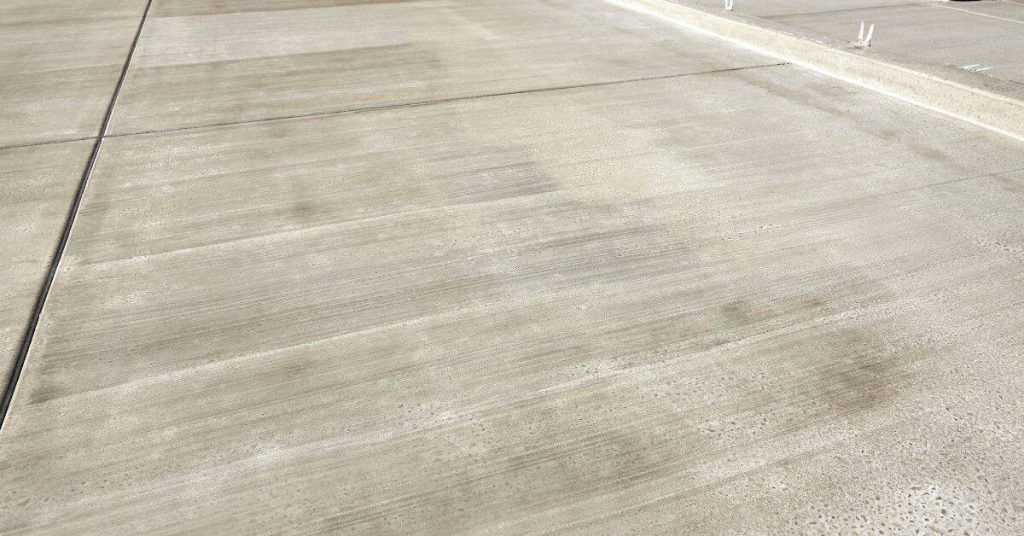
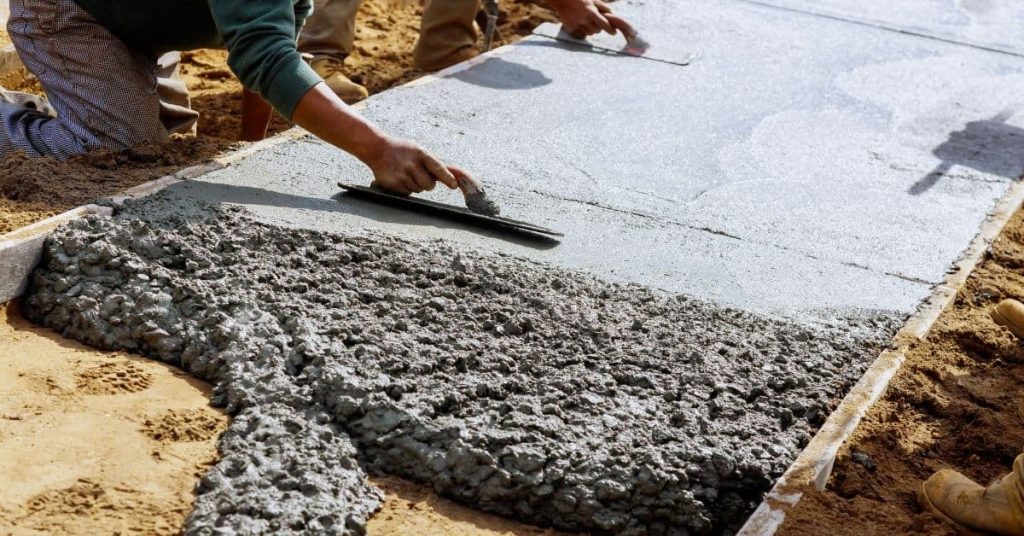
Workers finishing fresh concrete slab with hand trowels

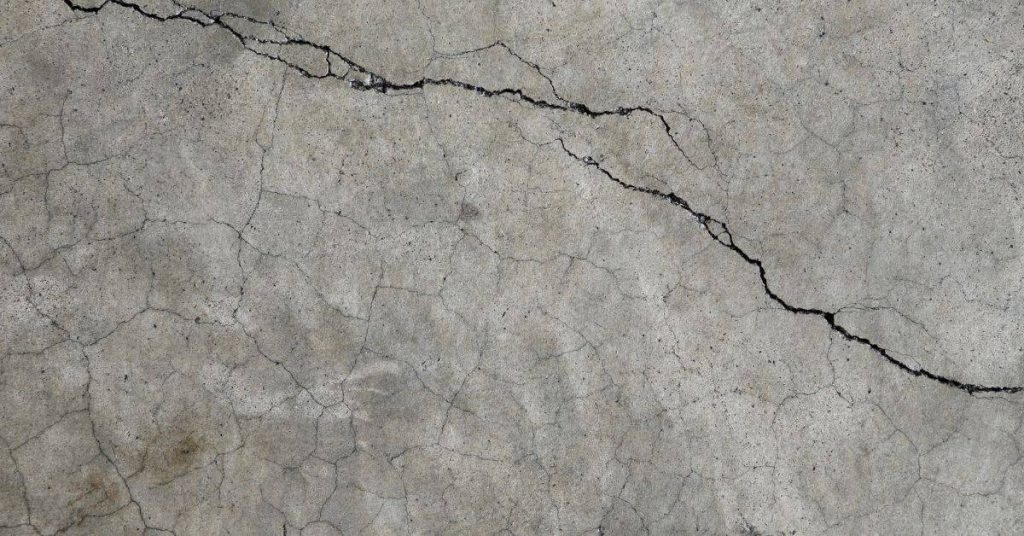
Crazing and hairline map cracks: over-finishing clues and how to keep it subtle

Introduction Crazing and hairline map cracks are very fine, web-like cracks that run across the surface of concrete or plaster. They often look like a spiderweb or tiny branching lines and can appear after finishing when the surface dries unevenly. These marks aren’t structural failure, but they do affect the look and texture of a […]

Crazing and hairline map cracks: over-finishing clues and how to keep it subtle Read More »
Close-up of a concrete driveway slab with control joints

Air-entrained concrete for driveways and steps: real freeze–thaw failures and how to avoid them

Introduction Air-entrained concrete uses air bubbles added during mixing to resist freeze–thaw damage. For driveways and steps, this helps the surface survive cycles of freezing and thawing without cracking. Check the product label and manufacturer instructions to understand the recommended air content for your project. Keep the mix cool to cure evenly, protect fresh concrete

Air-entrained concrete for driveways and steps: real freeze–thaw failures and how to avoid them Read More »

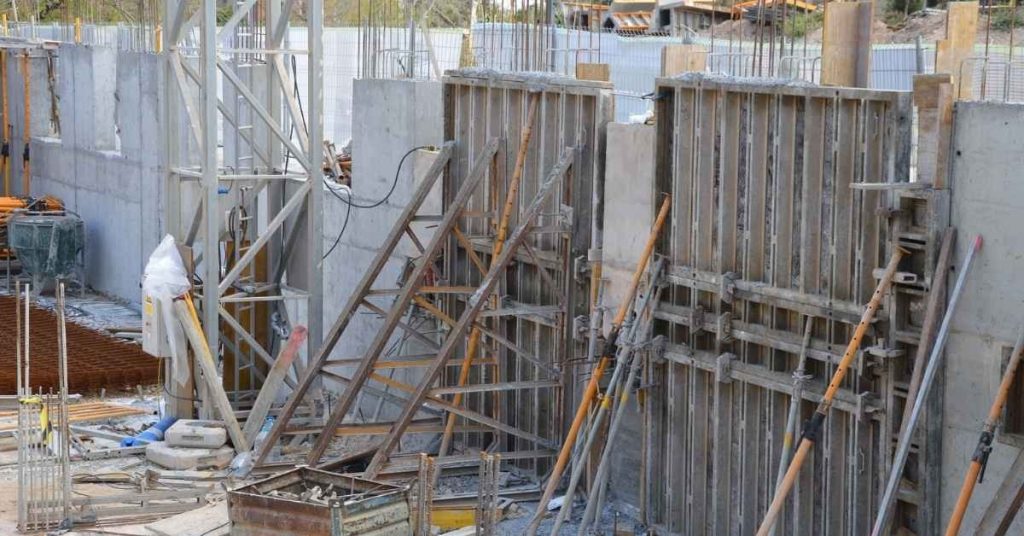
Concrete wall formwork supported by braces at construction site

Form oil and release agents: the types that stain and how to avoid fish-eyes

Introduction Form oils and release agents are coatings applied to forms to prevent concrete from sticking. They can stain if the wrong type is used or if the application is uneven. Check the label and follow the manufacturer’s instructions to choose the right option for your form material. To avoid fish-eyes, test a small area

Form oil and release agents: the types that stain and how to avoid fish-eyes Read More »

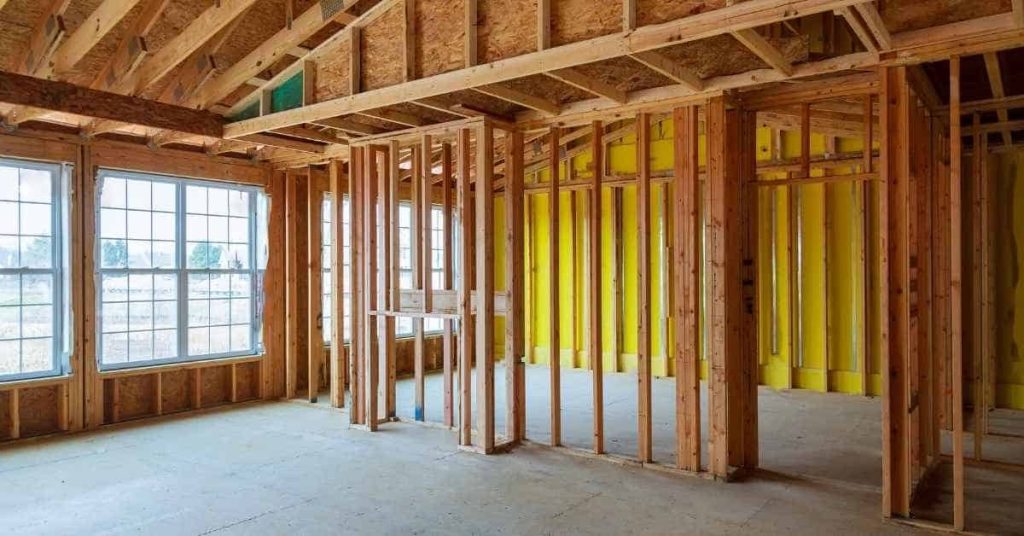
Wood framing and studs in residential construction interior

Honeycombing in small walls: fixable vs structural and when to call an engineer

Introduction Honeycombing in concrete is gaps or voids that appear where the material didn’t fill around the forms or reinforcement. It often shows up as rough pockets in small walls and can be caused by improper compaction, bad mix proportions, or formwork issues. The big concern is how it affects strength and durability, especially in

Honeycombing in small walls: fixable vs structural and when to call an engineer Read More »

Close-up of blue textured stucco wall surface

Repairing Stucco Behind Hose Reels and Brackets: Keeping the WRB Intact

Introduction Repairing stucco behind hose reels and brackets means fixing cracks and damage without compromising the wall and its weather barrier. Keep the WRB intact by protecting it while you remove hardware and apply patches. Use appropriate repair materials that match the stucco type and follow label directions, and avoid overloading or trapping moisture. If

Repairing Stucco Behind Hose Reels and Brackets: Keeping the WRB Intact Read More »

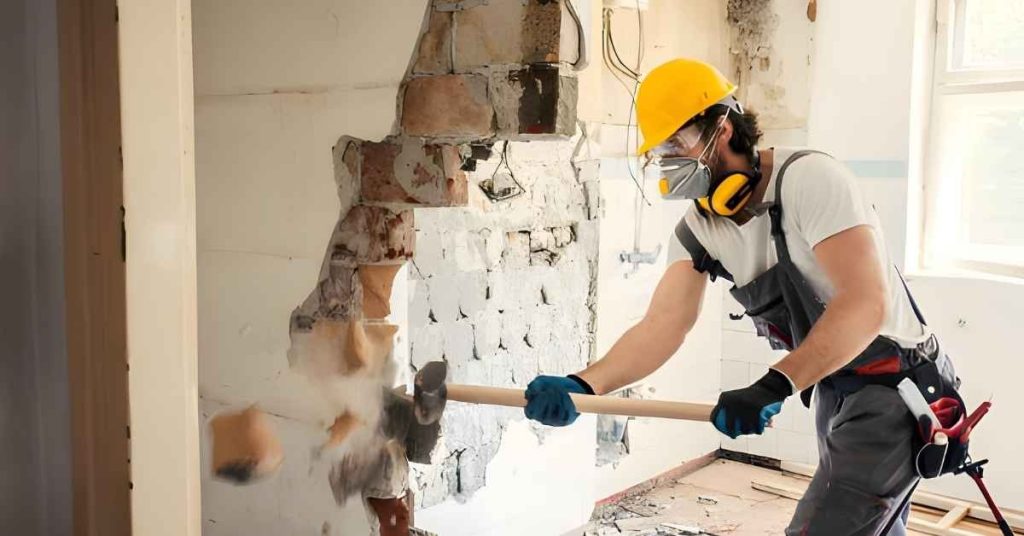
Worker with sledgehammer demolishing interior wall

Hollow-Sounding Stucco: Tap Testing, Cut Windows, and When to Stop Spot-Patching

Introduction Hollow-Sounding stucco occurs when tapping the surface reveals a hollow or loose layer beneath the finish. It’s a signal that the underlying material or lath may be compromised. Listen and feel for soft spots, and note where the sound changes as you tap around the area. Start with surface preparation by removing loose material

Hollow-Sounding Stucco: Tap Testing, Cut Windows, and When to Stop Spot-Patching Read More »

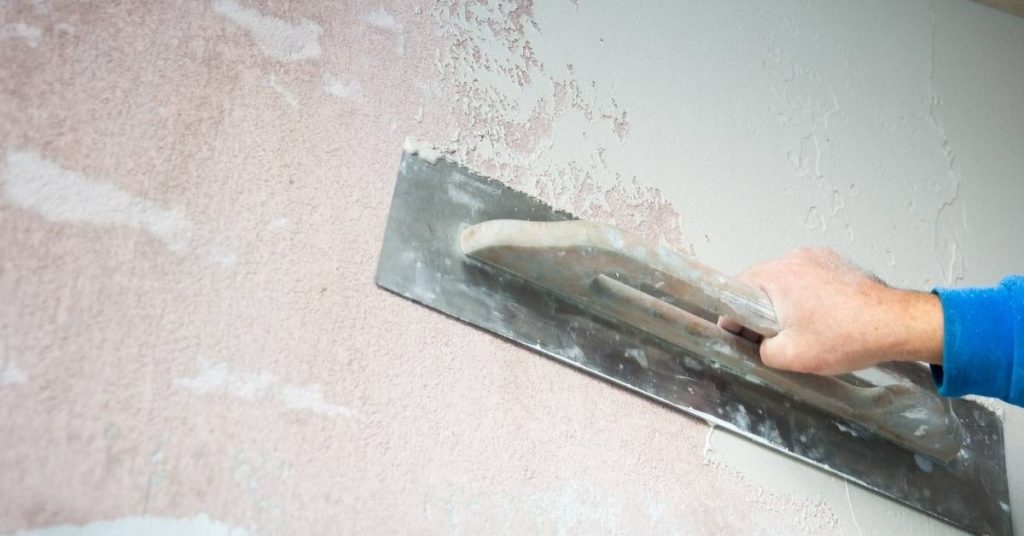
Hand smoothing lime plaster on wall with trowel

Lime Plaster in Basements: Moisture Testing, Vapor Drive, and Paint Choices

Introduction Lime plaster in basements is a breathable plaster finish that helps manage moisture. It relies on lime’s chemistry to let vapor pass while providing a durable coat. This DIY approach requires careful moisture testing and proper surface prep. Moisture testing, understanding vapor drive, and choosing compatible paints matter for long-term performance. Check product labels,

Lime Plaster in Basements: Moisture Testing, Vapor Drive, and Paint Choices Read More »

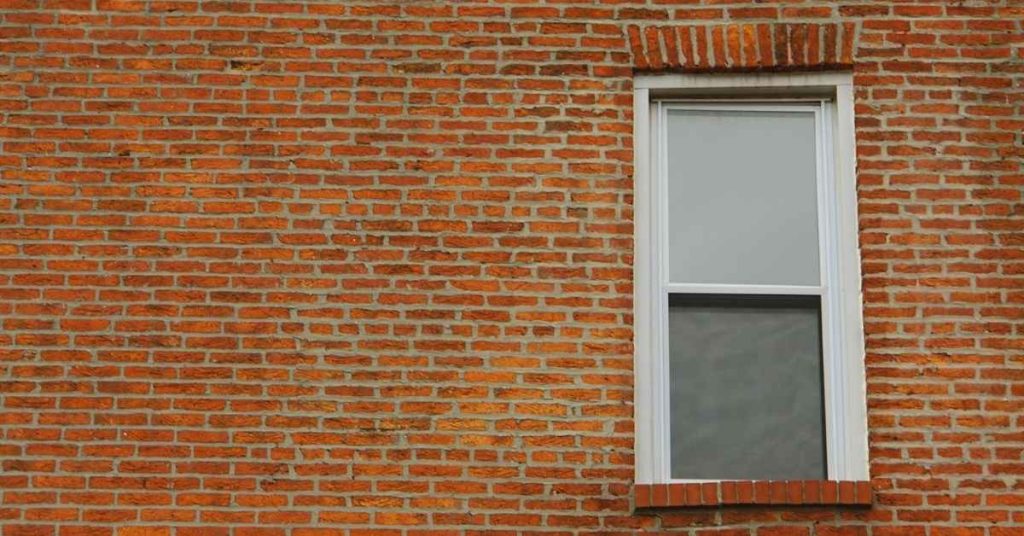
Brick wall with window and brick lintel above

Replacing a Rusted Brick Lintel: Supporting the Wall and Preventing Future Stains

Introduction Replacing a rusted brick lintel means removing the corroded support above an opening and installing a proper replacement to keep the wall carrying loads. Before you touch it, set up temporary shoring to hold the wall while you work, and inspect the surrounding brick and mortar for damage. Check local rules and the manufacturer’s

Replacing a Rusted Brick Lintel: Supporting the Wall and Preventing Future Stains Read More »

Construction worker laying mortar on brick wall outdoors

Stair-Step Cracks in Brick Walls: What They Mean and When It’s Serious

Introduction Stair-step cracks in brick walls are diagonal cracks that zigzag up the wall along the mortar joints. They often signal movement in the wall, not just settling. If you see them, inspect for movement, moisture, and any doors or windows that stick. What you do next depends on how serious the crack looks and

Stair-Step Cracks in Brick Walls: What They Mean and When It’s Serious Read More »