Search Results for: concrete staining and sealing

Empty room with smooth polished concrete floor and large windows

Fixing a Bad Concrete Broom Finish: Rescue Tricks for Chatter Marks, Streaks, and Overworked Slabs

Introduction A bad concrete broom finish is an uneven, rough texture on a broom-finished slab with chatter marks and streaks. This article offers practical, hands-on techniques to smooth out the look while preserving the surface integrity. For DIY fixes, assess the surface and plan a remediation approach with simple tools and safe methods. Check guidelines […]

Fixing a Bad Concrete Broom Finish: Rescue Tricks for Chatter Marks, Streaks, and Overworked Slabs Read More »

Concrete columns with exposed rebar against sky

Matching Old Exposed Aggregate Concrete: Patching, Extensions, and Blending Stone Mixes

Introduction Matching old exposed aggregate concrete means repairing and extending the surface so new material blends with the existing exposed aggregate. This hands-on approach focuses on color, texture, and the way stones recess with the surrounding mix. Take time to assess the current finish and plan how patching or extensions will align with the original

Matching Old Exposed Aggregate Concrete: Patching, Extensions, and Blending Stone Mixes Read More »

Ceiling with water stains and peeling paint near tiles

Choosing the right concrete crack repair for your situation: movement, width, and water

Introduction The right repair depends on how the crack moves, how wide it is, and whether water is getting through. Key takeaways Assess movement versus static cracks to guide repair method choices and timing. Measure crack width approximately and note tolerance to determine suitable filler and injection. Address water infiltration first: seal active leaks before

Choosing the right concrete crack repair for your situation: movement, width, and water Read More »

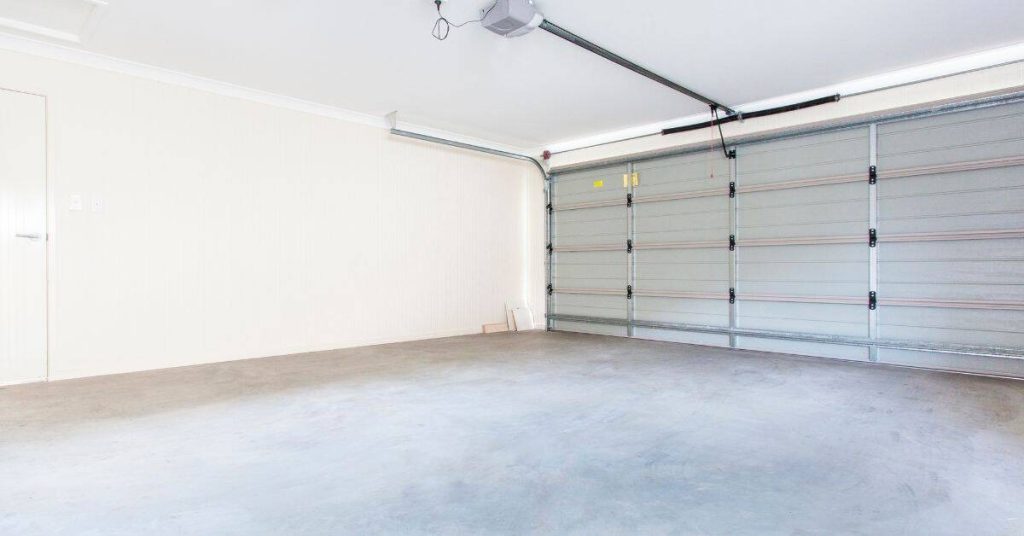
Empty garage with concrete floor and closed metal door

Dusty garage slabs: when sweeping and densifiers help and when resurfacing is the only fix

Introduction Dusty garage slabs are concrete floors that shed fine dust from the surface as you walk on them. Causes include worn surface, moisture, and exposure to chemicals or abrasion from vehicles and tools. Keeping the area swept and free of grit helps you see how bad the dust problem is and what needs doing

Dusty garage slabs: when sweeping and densifiers help and when resurfacing is the only fix Read More »

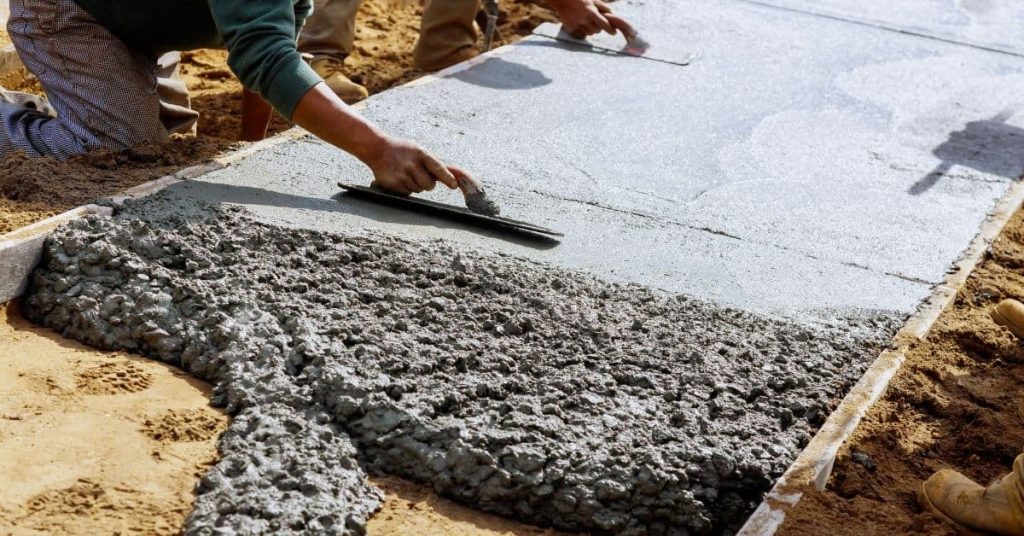
Workers finishing fresh concrete slab with hand trowels

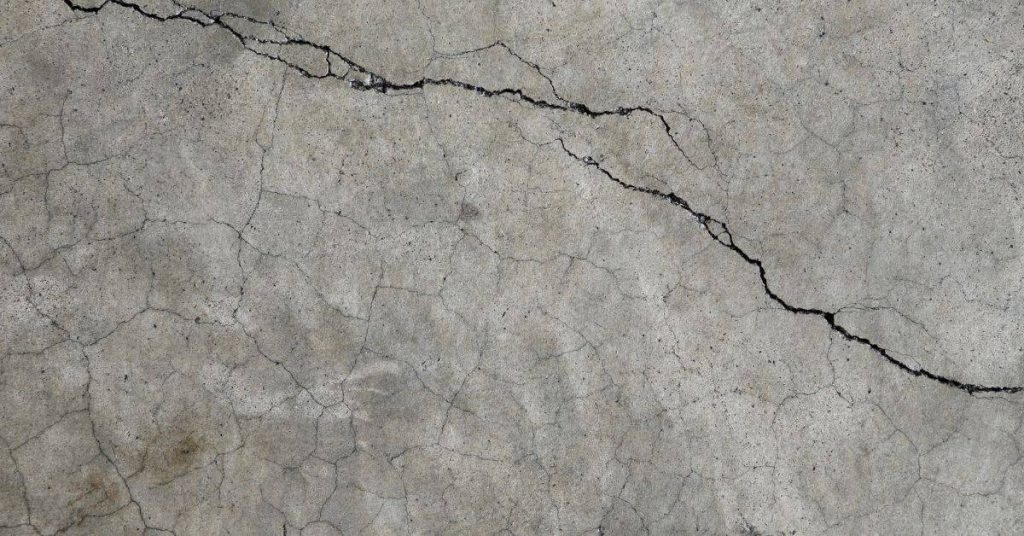
Crazing and hairline map cracks: over-finishing clues and how to keep it subtle

Introduction Crazing and hairline map cracks are very fine, web-like cracks that run across the surface of concrete or plaster. They often look like a spiderweb or tiny branching lines and can appear after finishing when the surface dries unevenly. These marks aren’t structural failure, but they do affect the look and texture of a

Crazing and hairline map cracks: over-finishing clues and how to keep it subtle Read More »

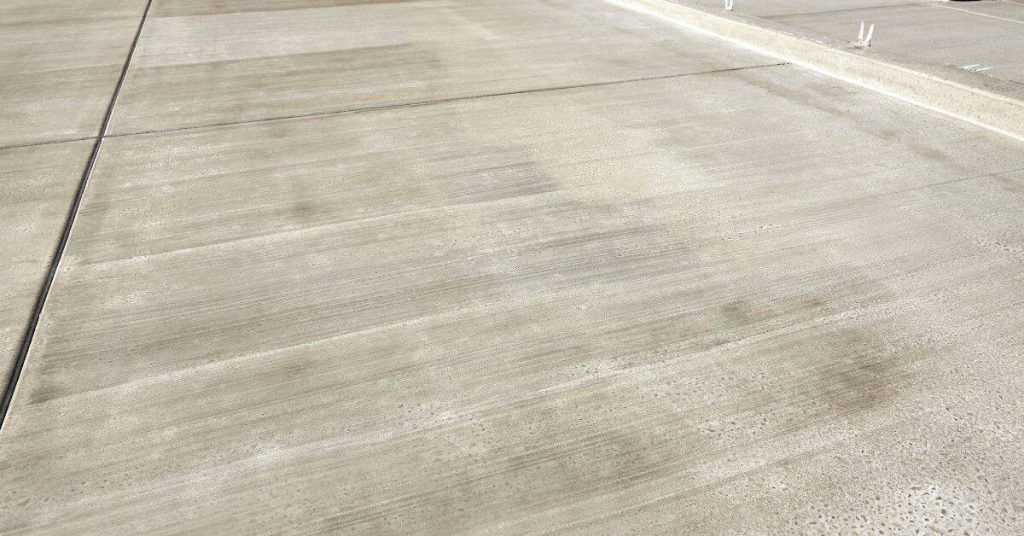
Close-up of a concrete driveway slab with control joints

Air-entrained concrete for driveways and steps: real freeze–thaw failures and how to avoid them

Introduction Air-entrained concrete uses air bubbles added during mixing to resist freeze–thaw damage. For driveways and steps, this helps the surface survive cycles of freezing and thawing without cracking. Check the product label and manufacturer instructions to understand the recommended air content for your project. Keep the mix cool to cure evenly, protect fresh concrete

Air-entrained concrete for driveways and steps: real freeze–thaw failures and how to avoid them Read More »

Wood framing and studs in residential construction interior

Honeycombing in small walls: fixable vs structural and when to call an engineer

Introduction Honeycombing in concrete is gaps or voids that appear where the material didn’t fill around the forms or reinforcement. It often shows up as rough pockets in small walls and can be caused by improper compaction, bad mix proportions, or formwork issues. The big concern is how it affects strength and durability, especially in

Honeycombing in small walls: fixable vs structural and when to call an engineer Read More »

Fresh concrete poured into wooden formwork sections

Rock pockets on formed faces: prevention during pour and durable cosmetic repairs

Introduction Rock pockets on formed faces are voids left behind when concrete doesn’t fully fill the form, showing up as visible dimples or craters. Prevention starts at form setup, proper vibration, and keeping the form clean so the pour fills evenly. Check for tight joints, correct slump, and adequate consolidation during the pour. For durable

Rock pockets on formed faces: prevention during pour and durable cosmetic repairs Read More »

Close-up of blue textured stucco wall surface

Repairing Stucco Behind Hose Reels and Brackets: Keeping the WRB Intact

Introduction Repairing stucco behind hose reels and brackets means fixing cracks and damage without compromising the wall and its weather barrier. Keep the WRB intact by protecting it while you remove hardware and apply patches. Use appropriate repair materials that match the stucco type and follow label directions, and avoid overloading or trapping moisture. If

Repairing Stucco Behind Hose Reels and Brackets: Keeping the WRB Intact Read More »