Search Results for: concrete staining and sealing

Does Paint Expire? Shelf Life, Storage, and When to Toss It

Does Paint Expire? Shelf Life, Storage, and When to Toss It

Introduction Paint can expire; shelf life depends on type and how it’s stored. The guide explains how storage conditions affect quality and when color, consistency, or odor signal it’s time to replace. You’ll learn how to assess old paint, decide when to reuse or toss, and follow simple steps to extend readiness for future projects. […]

Does Paint Expire? Shelf Life, Storage, and When to Toss It Read More »
Concrete Slab Cost: Realistic Price Ranges + DIY vs Pro

Concrete Slab Cost Breakdown: Detailed Pricing Factors & Budgeting Guide

Introduction Understanding concrete slab costs is crucial for planning your project and budgeting effectively. This guide delves into the detailed pricing factors that affect the cost of concrete slabs, helping you make informed decisions and create a realistic budget. We’ll explore how size, thickness, reinforcement, subbase, finishes, and other factors influence the price per square

Concrete Slab Cost Breakdown: Detailed Pricing Factors & Budgeting Guide Read More »

Concrete stamping techniques for textured, durable outdoor surfaces.

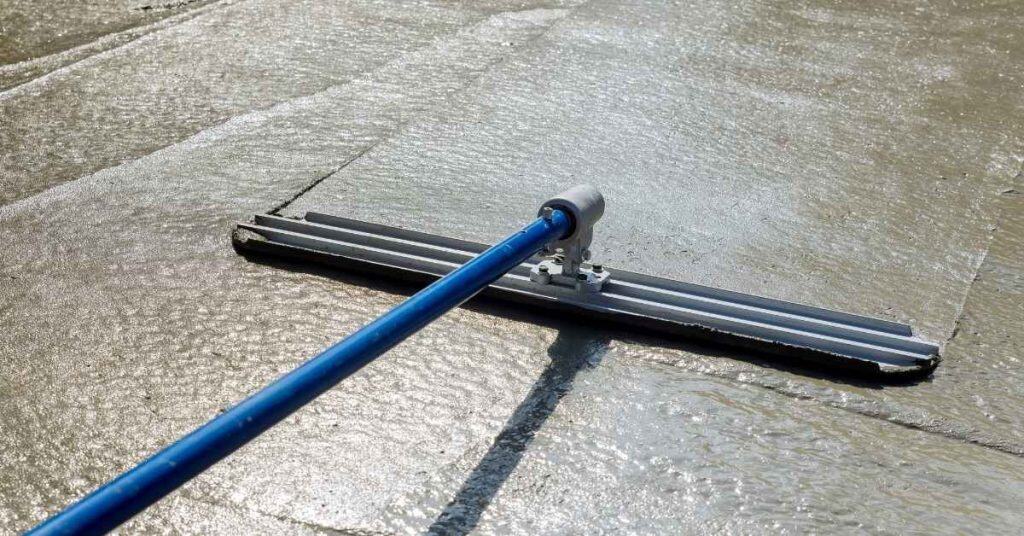
Fresno Trowel Basics: How to Avoid Sealing the Surface Too Early

Introduction Don’t seal the Fresno concrete surface too early; timing and technique matter for a smooth, durable finish. You’ll learn practical cues for when to start troweling, how to judge set, and common mistakes to avoid. The guide walks through adjusting trowel pressure, pass count, and finishing steps to help you achieve the right sheen

Fresno Trowel Basics: How to Avoid Sealing the Surface Too Early Read More »

Form Release Alternatives: What to Use (and Not Use) on Plywood Forms

Form Release Alternatives: What to Use (And Not Use) on Plywood Forms

Introduction Choose a reliable form release method for plywood forms to ensure clean release and reusable assemblies. You’ll learn how different releases work, when to use wax, oil, or silicone-based options, and what to avoid to prevent staining or bonding failures. The guide walks through practical steps, common-sense rules of thumb, and examples of real-world

Form Release Alternatives: What to Use (And Not Use) on Plywood Forms Read More »

Outside Corners: When Corner Bead Fails and How to Rebuild the Corner Straight

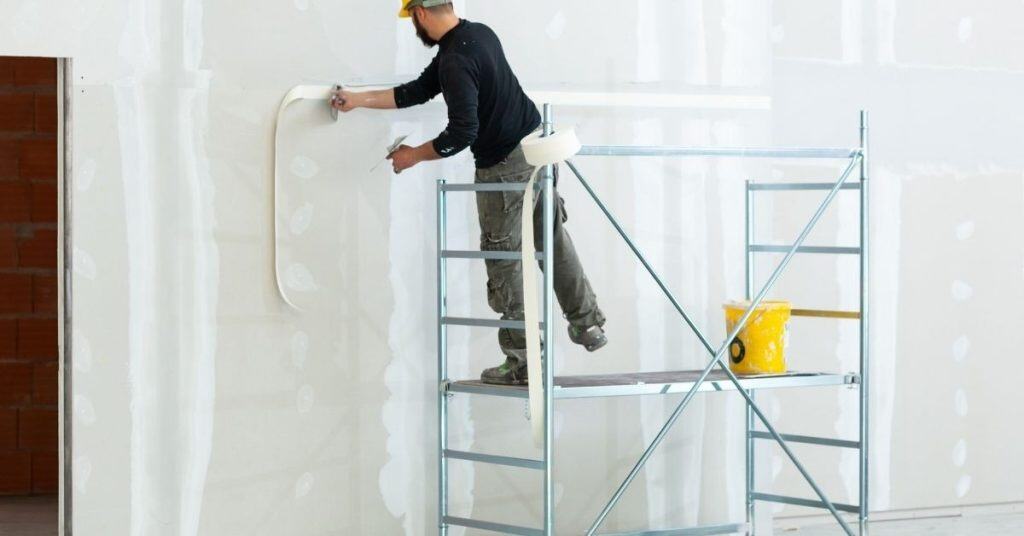
Introduction Outside corners should be rebuilt straight when the corner bead fails. The article explains the practical steps to assess damage, remove the damaged bead, reestablish a true corner, and reapply mud and new bead so you end up with a clean, durable edge. Key takeaways Inspect for hairline cracks and rust, replace damaged corner

Outside Corners: When Corner Bead Fails and How to Rebuild the Corner Straight Read More »

Stucco Patches That “flash”: How to Blend Texture and Color Without Repainting the Whole Wall

Stucco Patches That “flash”: How to Blend Texture and Color Without Repainting the Whole Wall

Introduction You can patch and blend stucco so the patch matches the texture and color without repainting the whole wall. This guide walks through practical steps for matching texture and color, blending edges, selecting appropriate finishes, and evaluating when a patch will look seamless. Key takeaways Identify flashing: moisture-wicking sheen and mineral deposits highlight patch

Stucco Patches That “flash”: How to Blend Texture and Color Without Repainting the Whole Wall Read More »

Ceiling Cracks in Plaster: When Tape Works and When You Need Stabilization

Ceiling Cracks in Plaster: When Tape Works and When You Need Stabilization

Introduction Tape can fix small, stable plaster cracks, but larger or shifting cracks require stabilization. The guide helps you assess crack movement and decide when to use tape versus structural repair, then walks you through practical steps and tips to perform each method. You’ll learn how to prep the ceiling, apply repairs cleanly, and avoid

Ceiling Cracks in Plaster: When Tape Works and When You Need Stabilization Read More »

Coverage Checks: How to Pull a Tile and Know If You’re Actually Doing It Right

Coverage Checks: How to Pull a Tile and Know If You’re Actually Doing It Right

Introduction You can know if you pulled a tile correctly by verifying coverage and proper adhesion. The guide walks through practical steps, common signs of good and bad installs, and simple rules of thumb to help you assess a tile pull on the job. Key takeaways Plan a careful tile pull after curing to prevent

Coverage Checks: How to Pull a Tile and Know If You’re Actually Doing It Right Read More »

Inside Corners in Showers: Caulk Vs Grout and Where Movement Actually Happens

Inside Corners in Showers: Caulk Vs Grout and Where Movement Actually Happens

Introduction In shower inside corners, caulk handles movement while grout is best for rigid joints. The guide explains when to use each, how to assess movement in corners, and practical steps for proper application and sealing. Key takeaways Caulk tolerates movement in vertical corners; grout is rigid and can crack. Movement occurs mainly where framing

Inside Corners in Showers: Caulk Vs Grout and Where Movement Actually Happens Read More »

Expansion/Movement Joints: Where to Leave Gaps and How to Finish Them Cleanly

Expansion/Movement Joints: Where to Leave Gaps and How to Finish Them Cleanly

Introduction Leave proper gaps at expansion and movement joints to accommodate building movement and prevent cracking. This introduction explains how to choose appropriate gap sizes, where joints belong, and how to finish them cleanly with durable sealants and proper detailing. You’ll learn practical tips, common mistakes to avoid, and a straightforward approach to creating joints

Expansion/Movement Joints: Where to Leave Gaps and How to Finish Them Cleanly Read More »