Search Results for: concrete staining and sealing

Person holding color swatch fan with brown and orange shades

Color Hardener vs Integral Color: Cost, Wear, and Fade Compared

Introduction Color hardener and integral color are two concrete coloring options that change the surface look. Color hardener sits on top and colors the surface after mixing, while integral color mixes in with the concrete. This article keeps it plain and practical for DIY projects, with quick notes on how they’re applied and what to […]

Color Hardener vs Integral Color: Cost, Wear, and Fade Compared Read More »

Indoor view through window blinds showing green plants outside

EIFS Window Detailing Basics: Backwrapping, Sealant Joints, and Common DIY Failures

Introduction EIFS window detailing is the practical work of wrapping the window opening with the EIFS base and mesh, backwrapping the flange or jamb, and creating sealed, jointed transitions so water and movement stay out. Think of it as three chores: proper substrate prep and flashing, neat backwrap techniques that embed mesh into the basecoat,

EIFS Window Detailing Basics: Backwrapping, Sealant Joints, and Common DIY Failures Read More »

close up of white textured plaster finish surface

Repairing EIFS Impact Damage: Base Coat Build, Mesh, and Finish Matching

Introduction Repairing EIFS impact damage means rebuilding the base coat, reapplying the reinforcing mesh, and matching the textured finish so the patch looks and performs like the existing wall. This is a hands-on job that focuses on cleanup, solid bonding of the base coat, correct embedding of mesh, and careful texture and color matching. Check

Repairing EIFS Impact Damage: Base Coat Build, Mesh, and Finish Matching Read More »

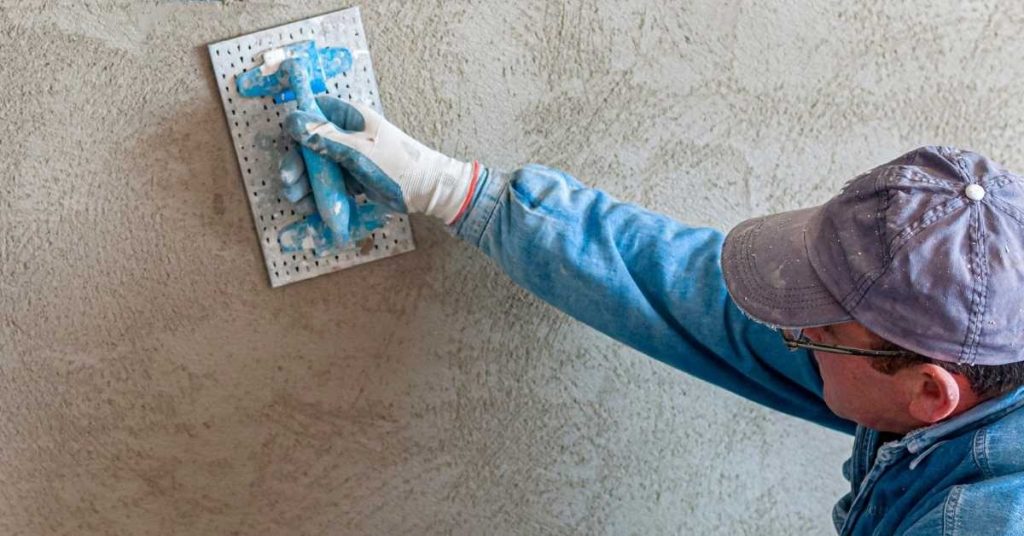
Worker smoothing fresh stucco on wall with trowel

Stucco Moisture Meter Readings Explained: When High Numbers Matter and When They Don’t

Introduction Stucco moisture meter readings are simply numbers that tell you how much moisture a meter senses in the wall material and whether that moisture might need attention. Think of the reading as one piece of a hands-on inspection—compare it to what you see on the surface and to any invasive checks before deciding if

Stucco Moisture Meter Readings Explained: When High Numbers Matter and When They Don’t Read More »

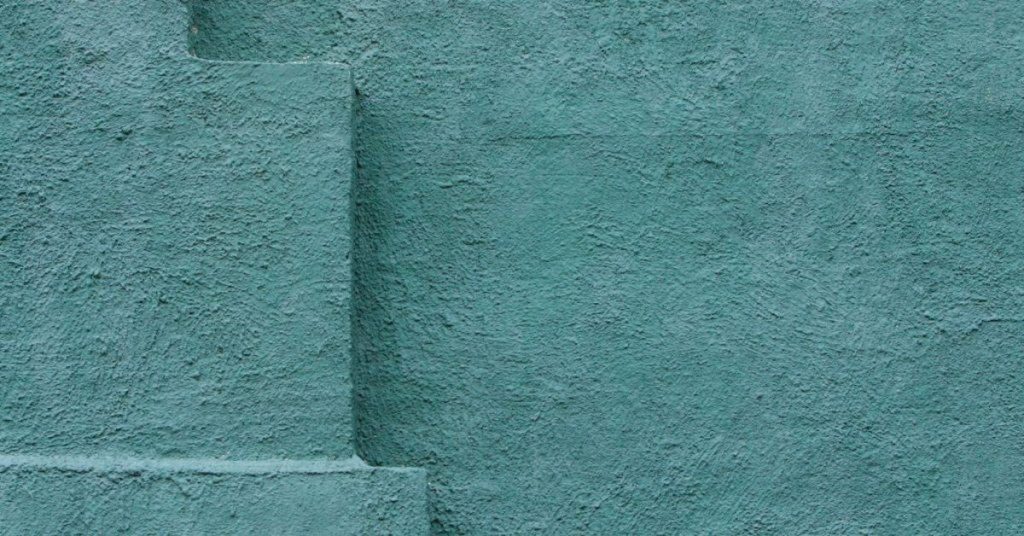
Close-up of blue stucco wall texture

Diagnosing Moisture Behind Stucco: Basic Probe Holes, Borescopes, and What to Look For

Introduction Diagnosing moisture behind stucco means checking for where water has crossed the exterior and is wetting the wall assembly; that can be done with basic probe holes, borescopes, and non‑invasive tools to confirm wet areas. Start by looking for staining, soft or sagging finishes, efflorescence, or indoor musty odors that suggest intrusion, and use

Diagnosing Moisture Behind Stucco: Basic Probe Holes, Borescopes, and What to Look For Read More »

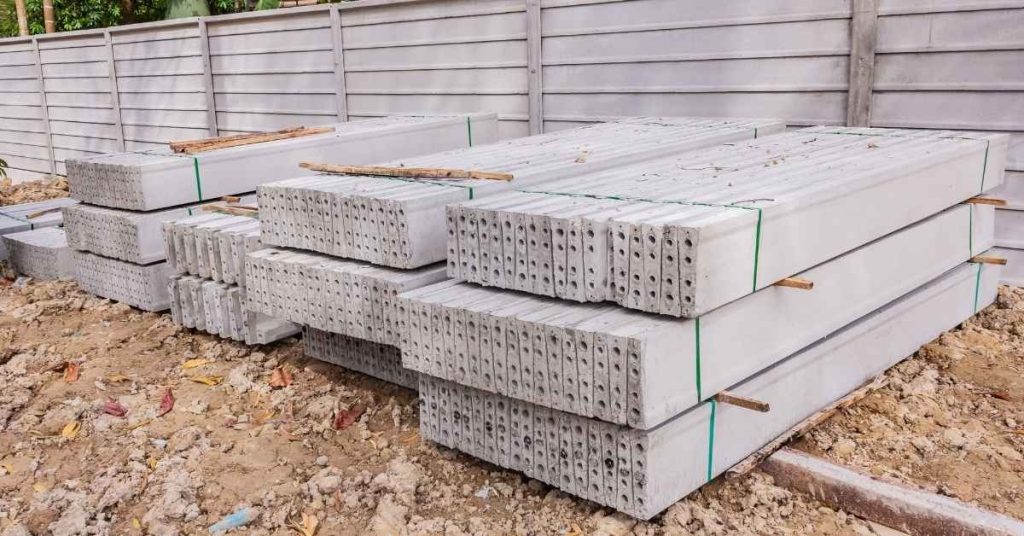
Stacked precast concrete hollow core slabs on dirt ground

Stucco at Concrete Slabs: Proper Gap, Sealant Joint, and How to Fix a Tight Termination

Introduction Stucco at concrete slabs means leaving a controlled gap and sealing it so the finish can move without cracking at the slab edge. This protects the stucco from moisture wicking and movement from the slab; check product instructions and local rules for the gap size and backing material. A proper joint combines a backing

Stucco at Concrete Slabs: Proper Gap, Sealant Joint, and How to Fix a Tight Termination Read More »

Worker smoothing plaster on a wall wearing blue uniform and helmet

Clay Plaster in Bathrooms: Where It Works, Where It Fails, and Safe Sealing Options

Introduction Clay plaster in bathrooms is an earthen wall finish that can work well in low-splash, well-ventilated areas but is not inherently waterproof. It handles humidity better than some gypsum finishes and gives a warm, tactile surface, though you need to check product instructions and local building rules before using it near showers or tubs.

Clay Plaster in Bathrooms: Where It Works, Where It Fails, and Safe Sealing Options Read More »

Gray Venetian plaster wall texture with subtle irregular patterns

Plaster in Kitchens: Grease Contamination Tests and Primer Choices Before Painting

Introduction Plaster in kitchens means checking for grease contamination and choosing the right primer before you paint to ensure the finish sticks and cleans up later. I’ll walk you through quick, practical grease tests you can do with household items and what to look for so you know when surface conditioning is needed. This is

Plaster in Kitchens: Grease Contamination Tests and Primer Choices Before Painting Read More »

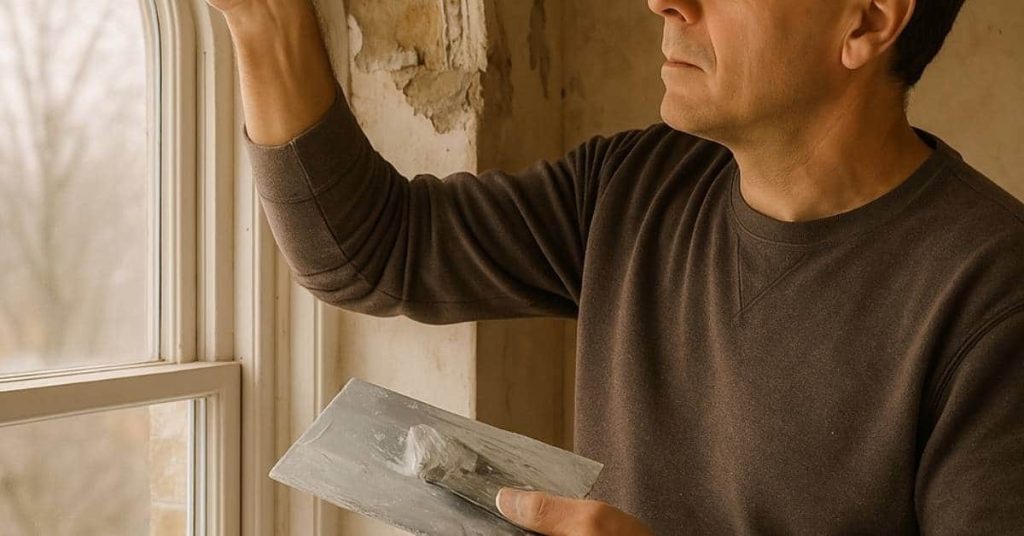
Man applying plaster near window casing with trowel

Repairing Plaster Around Window Casings: Keeping Returns Straight and Corners Crisp

Introduction Repairing plaster around window casings means removing loose material, backing up the returns, and filling and finishing so the casing meets the wall with straight returns and crisp corners. This is a hands‑on job that starts with good surface prep and the right tools—check product labels for compatibility and drying times before you buy.

Repairing Plaster Around Window Casings: Keeping Returns Straight and Corners Crisp Read More »

Man applying plaster over rough stone wall wearing gloves

Salts in Masonry Plaster: Efflorescence, Spalling, and Compatible Repair Materials

Introduction Salts in masonry plaster are soluble minerals that migrate to the surface as moisture moves through the wall, leaving white or powdery deposits called efflorescence and in worse cases causing spalling where the plaster flakes or crumbles. This usually comes from water intrusion, damp soils, or moisture wicking through masonry and carries salts via

Salts in Masonry Plaster: Efflorescence, Spalling, and Compatible Repair Materials Read More »