Search Results for: concrete staining and sealing

Concrete slab construction with wooden formwork and steel rebar

Concrete Drainage Without Demo: Small slope fixes that actually move water

Introduction Concrete drainage without demo means guiding water away from the area by tweaking existing surfaces, not tearing out concrete. It’s a practical, hands-on approach that relies on small slope tweaks, edge shaping, and surface detailing. Check local rules and the product labels to ensure your method is allowed. Map out a simple plan for […]

Concrete Drainage Without Demo: Small slope fixes that actually move water Read More »

Fresh asphalt driveway in front of garage door

Concrete at Garage Doors: Fixing ponding and preventing water intrusion

Introduction Concrete at garage doors refers to the slab at the door opening where improper drainage or settling can cause ponding. This condition signals potential water intrusion if left unaddressed. Start by noting slopes, cracks, and joints that may let water pool near the threshold. Common causes are poor drainage, foundation issues, or slab settling

Concrete at Garage Doors: Fixing ponding and preventing water intrusion Read More »

Concrete slab being smoothed with a long-handled float

Control Joints That Look Bad: Making sawcuts straighter and less noticeable

Introduction Control joints that look bad are joints in concrete that are crooked or wavy and draw the eye. They’re not meeting the surface cleanly, and that makes the floor look unfinished. A straight, neat sawcut can dramatically improve the overall look with less crowding around the joints. Your best bet is to use proper

Control Joints That Look Bad: Making sawcuts straighter and less noticeable Read More »

Trowel smoothing fresh concrete joint surface

Concrete Joint Adhesion Failure: Dirt, moisture, and primer fixes that work

Introduction Adhesion failure in a concrete joint means the surface won’t bond as intended, leaving joints that can peel or separate. Dirt, moisture, and poorly prepared or incompatible primers are common culprits that block proper adhesion. Check the surface for dust, oil, and dampness before applying anything. Polyurethane primer can help restore grip between concrete

Concrete Joint Adhesion Failure: Dirt, moisture, and primer fixes that work Read More »

Person pressure washing concrete patio surface

Concrete Sealer Compatibility: Why some sealers refuse to bond to old coats

Introduction Concrete sealer compatibility is about whether a new coating will bond to an existing old sealer or film on the surface. If the old coat has residue, moisture, or incompatible chemistry, the bond can fail. Understanding this helps you avoid a patchy finish. Solvent-based and water-based sealers behave differently with old coatings, so check

Concrete Sealer Compatibility: Why some sealers refuse to bond to old coats Read More »

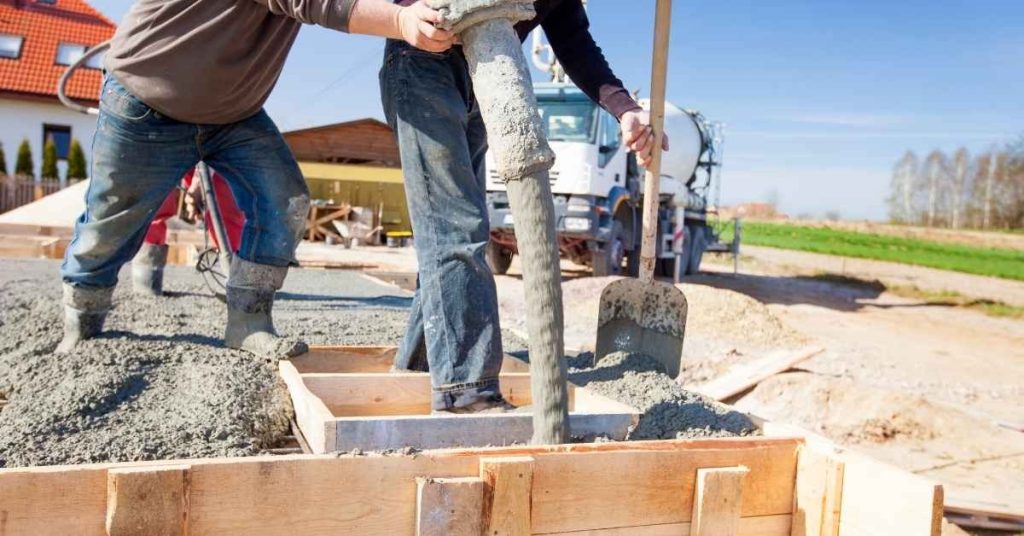
Workers pouring concrete into wooden frame outdoors

Stripping Concrete Sealer: Chemical vs grinding—what’s safer for your slab

Introduction Stripping concrete sealer boils down to choosing between chemical removal and grinding. Chemicals dissolve or soften the sealer, while grinding removes it by abrasion. For DIYers, weigh safety, dust control, and surface prep, and check labels and manufacturer instructions. Grinding creates dust and potential heat, while chemicals require ventilation and proper disposal. Adhesion of

Stripping Concrete Sealer: Chemical vs grinding—what’s safer for your slab Read More »

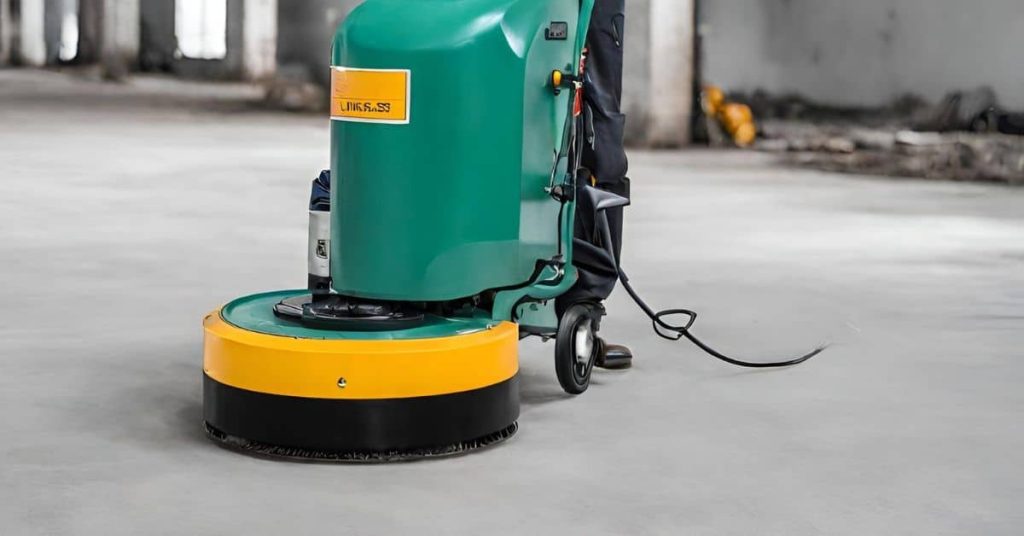
Green and yellow floor cleaning machine on concrete surface

Oil Stains in Concrete: Deep cleaning methods that don’t wreck sealers

Introduction Oil stains in concrete are marks where oil has penetrated the surface and can ruin color and seal performance. They can trap dirt and may interfere with resealing if not treated. This is why addressing them before applying sealers matters. For fresh spills, blot up excess oil and clean with a mild degreaser, then

Oil Stains in Concrete: Deep cleaning methods that don’t wreck sealers Read More »

Close-up of a gray concrete slab surface with cracks and pitting

Concrete Dusting Floors: Why the surface powders and how to harden it

Introduction Concrete dusting is the surface powdering that happens when the upper layer of the concrete wears away, leaving a chalky film. It can occur from weak finishing, too much air in the mix, poor curing, or heavy traffic without protection. Understanding the signs helps you decide whether to protect, repair, or reseal the floor.

Concrete Dusting Floors: Why the surface powders and how to harden it Read More »

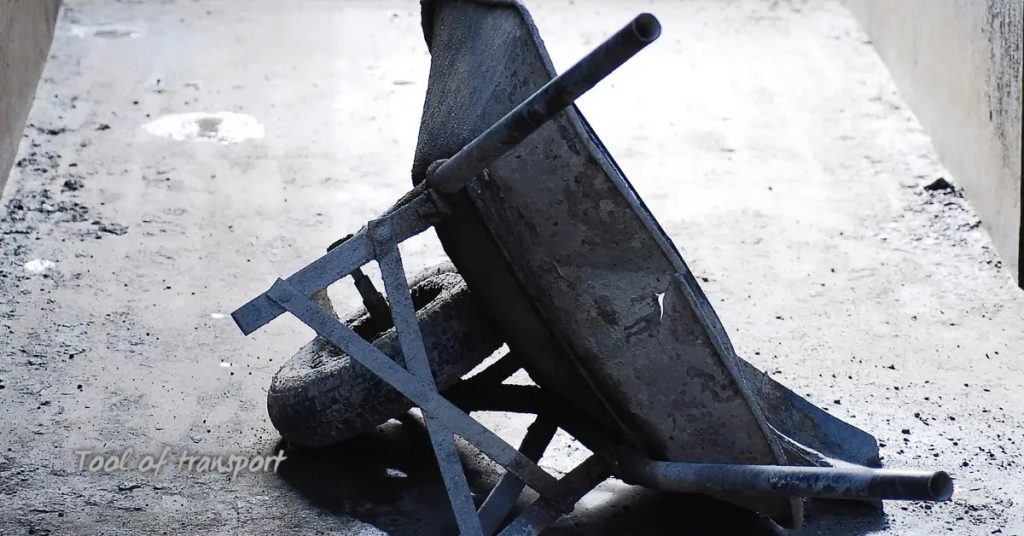
Empty wheelbarrow on concrete floor in shaded area

Concrete Dark Spots: Moisture, curing, or contamination—how to tell which

Introduction Dark spots on concrete are usually caused by moisture, improper curing, or surface contaminants. To tell which, look at the spot’s texture and sheen, note when it appeared, and check for signs of lingering dampness nearby. This guide offers practical, hands-on ways to diagnose and plan fixes. Start with surface prep, like degreasing if

Concrete Dark Spots: Moisture, curing, or contamination—how to tell which Read More »