Search Results for: concrete staining and sealing

Two melting ice cubes on a white surface

Concrete Pop-Outs: Causes, repairs, and prevention for future winters

Introduction Concrete pop-outs are shallow, rounded chunks of concrete that lift away from the surface when the ground or the mix expands. They often come from moisture getting trapped under the slab, poor compaction, or steel reinforcement pushing outward. Weather conditions, especially rapid temperature shifts in winter, play a big role in how fast pop-outs […]

Concrete Pop-Outs: Causes, repairs, and prevention for future winters Read More »

White concrete pump truck boom arm above building railing

Concrete Repair Shrinkage: How to reduce edge cracking in patches

Introduction Shrinkage edge cracking is cracks that form along the edges as concrete hardens and dries. This happens when moisture leaves the mix and the surface contracts more than the underlying material. It’s common in patches, especially with rapid drying or temperature swings. Cracks come in different kinds, like hairline shrinkage cracks or wider splits

Concrete Repair Shrinkage: How to reduce edge cracking in patches Read More »

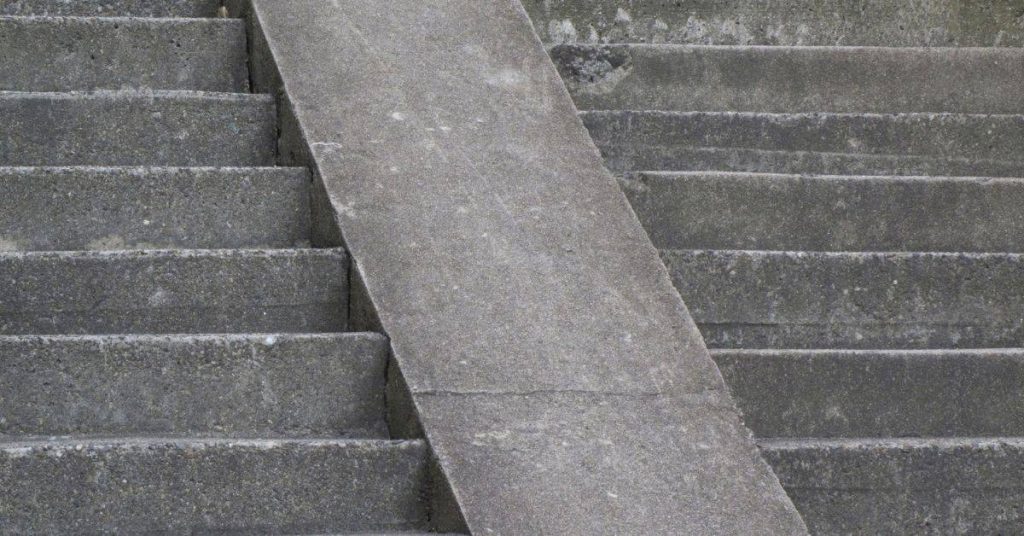
Concrete stairs with a smooth ramp in the middle

Concrete Scaling in Winter: Why the surface flakes and how to stop it

Introduction Concrete scaling in winter is when the top layer peels or flakes off because cold weather, moisture, and repeated freezing push water in and out. Cold temperatures slow curing and make water move through the surface, so you see scaling more on sidewalks, driveways, and slabs that get wet. Watch for slick, rough patches

Concrete Scaling in Winter: Why the surface flakes and how to stop it Read More »

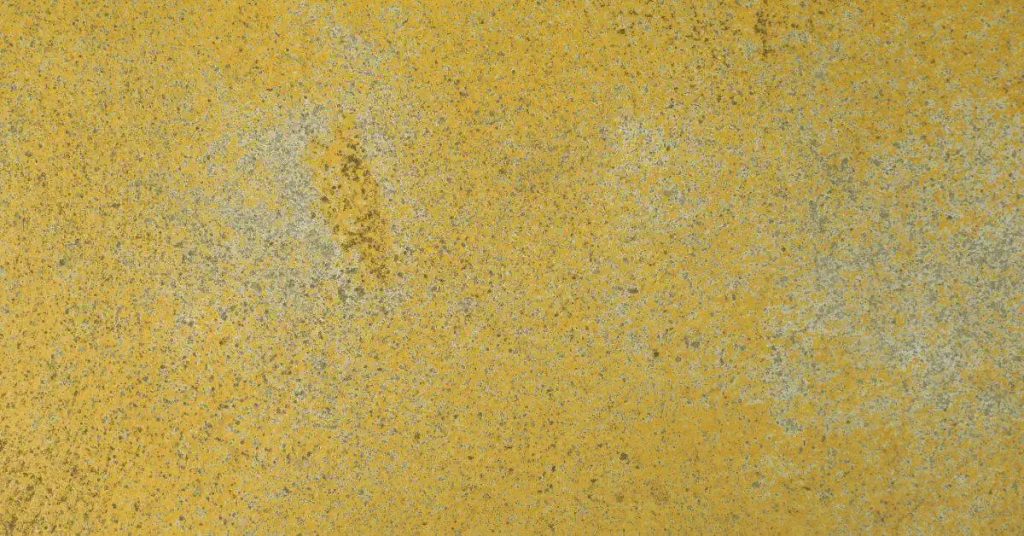
yellow stained concrete surface with varying texture

Concrete Surface Delamination: Causes, diagnosis, and repair that lasts

Introduction Delamination is the surface layer of concrete peeling or separating from the underlying concrete, creating a patchy, hollow feel. It often shows up as a dull patch that may flake or sound hollow when tapped. Lightly tapping suspect areas can help you spot where the top lift isn’t bonded well. To diagnose, look for

Concrete Surface Delamination: Causes, diagnosis, and repair that lasts Read More »

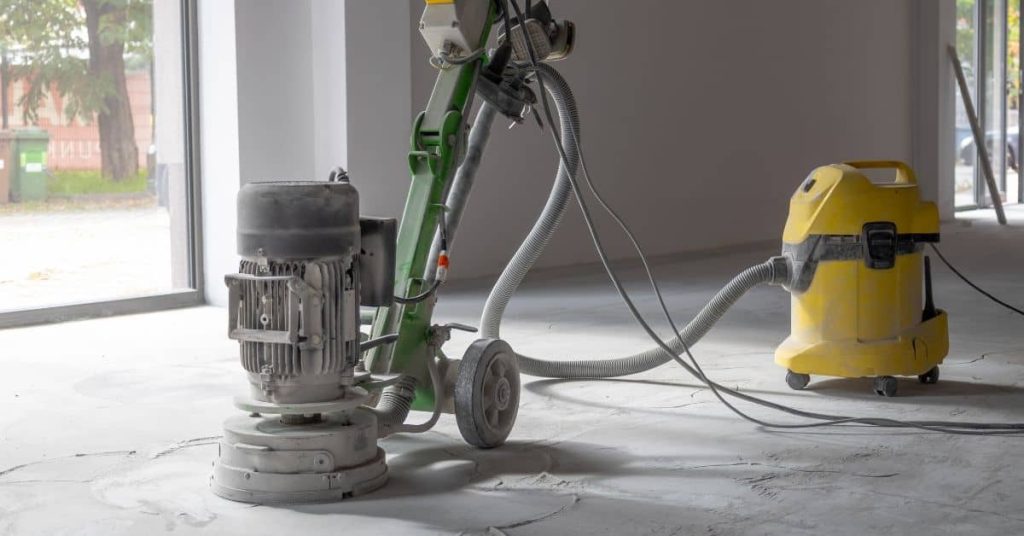
Concrete floor grinder connected to yellow vacuum cleaner

Bugholes on Formed Concrete: Vibration, release agents, and mix tweaks that help

Introduction Bugholes on formed concrete are small air cavities that mar the surface after form removal. They happen from trapped air, sticky release agents, or improper vibration. In DIY work, you can reduce them by adjusting how you vibrate, how you release the form, and how you mix your concrete. Use the right vibration technique

Bugholes on Formed Concrete: Vibration, release agents, and mix tweaks that help Read More »

Concrete outdoor table with matching square stools and plants

Broadcast Sand on Concrete: When it helps traction and when it makes a mess

Introduction Broadcasting sand on concrete is the practice of spreading loose sand across a surface to improve traction. It can help when the surface is slick, but it can also track into the house and create a mess if overdone. Best times to broadcast sand are when the surface is dry and conditions won’t quickly

Broadcast Sand on Concrete: When it helps traction and when it makes a mess Read More »

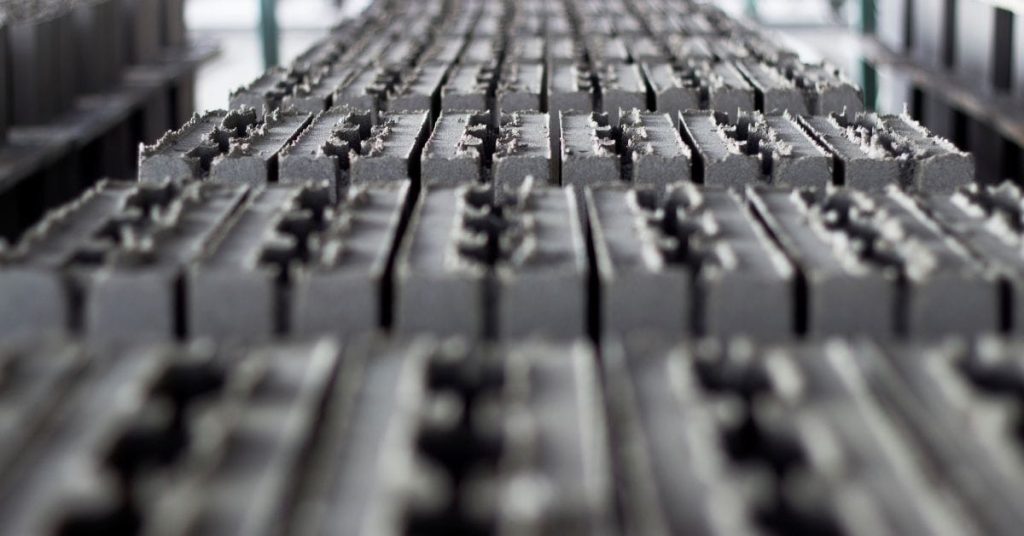
Rows of gray concrete blocks curing on racks

Concrete Curing With Plastic: How to avoid wrinkles, stains, and soft spots

Introduction Curing concrete with plastic means covering the fresh concrete with a plastic sheet to trap moisture and slow evaporation. This helps prevent rapid drying that can cause wrinkles, stains, or soft spots. Keep the plastic in contact with the surface and seal the edges to minimize moisture loss. To do it well, lay a

Concrete Curing With Plastic: How to avoid wrinkles, stains, and soft spots Read More »

Close-up of textured stamped concrete floor with square pattern

Adding Color to Concrete: How to avoid batch-to-batch shade differences

Introduction Color differences in stained or pigmented concrete happen because curing and mix variation drive shade changes. This DIY guide helps you anticipate, control, and blend those differences when adding color to concrete. We’ll keep it practical with real-world checks and steps you can follow on site. Expect color shifts during curing and across batches,

Adding Color to Concrete: How to avoid batch-to-batch shade differences Read More »

Concrete surface with small holes and surface pitting

Air Entrained Concrete: When it’s necessary and how to avoid surface pitting

Introduction Air entrained concrete is concrete that includes tiny air bubbles introduced by a special additive to improve its performance. These micro-bubbles help when water freezes and expands, reducing cracks in the slab. It’s a common choice for projects that sit outside or face temperature swings. Use is appropriate when you want a smoother surface

Air Entrained Concrete: When it’s necessary and how to avoid surface pitting Read More »