Search Results for: concrete foundation repair contractors

Closeup of spider crack on rough concrete surface

DIY Concrete Waterproofing on the Inside: When It Works and When It’s a Trap

Introduction DIY concrete waterproofing on the inside is applying moisture barriers and sealants to interior concrete surfaces to keep dampness at bay. It helps when intrusion comes through cracks, porous walls, or hydrostatic pressure, but it isn’t a substitute for good exterior drainage. We’ll walk through identifying water sources and choosing practical interior steps for […]

DIY Concrete Waterproofing on the Inside: When It Works and When It’s a Trap Read More »

Clean concrete foundation corner with metal anchors installed

Repairing Honeycombed Concrete at a Foundation Corner (Pack vs. Form-and-Pour)

Introduction Repairing honeycombed concrete at a foundation corner means fixing visible voids and rough pockets where the concrete didn’t consolidate properly. Two practical approaches are packing the void with grout or repair material, or using a form-and-pour rebuild with new concrete. This article compares those options from a hands-on, DIY perspective. When evaluating repairs, look

Repairing Honeycombed Concrete at a Foundation Corner (Pack vs. Form-and-Pour) Read More »

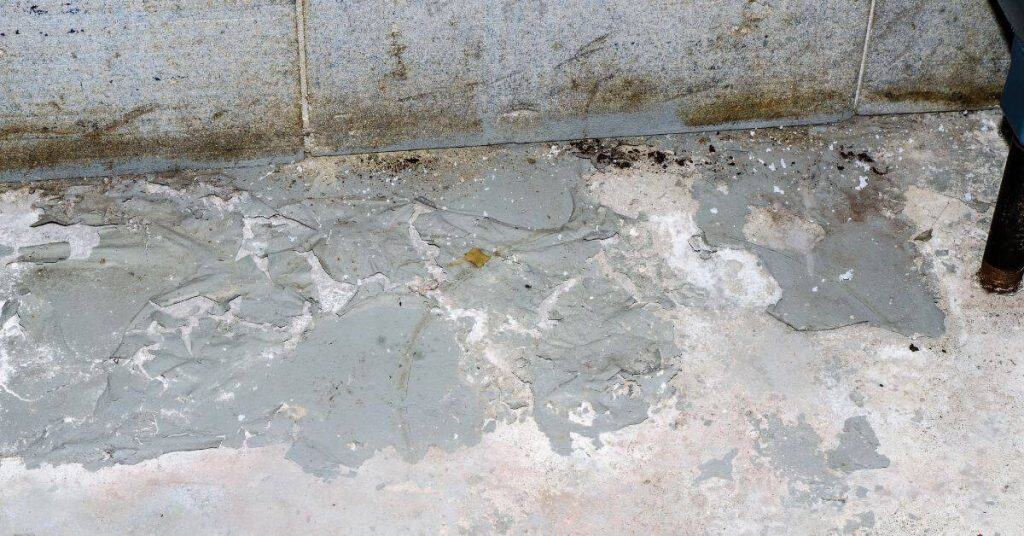
Peeling gray coating on concrete surface near wall

How to Recoat a Concrete Sealer Without Peeling: Adhesion Tests and Prep Steps

Introduction Recoating a concrete sealer means applying a fresh layer over a sealed concrete surface after confirming the old layer sticks well. Before you open a new can, inspect the old finish for peeling or staining and prepare to clean and roughen the surface as needed. Keep the goal simple: the new coat should bond

How to Recoat a Concrete Sealer Without Peeling: Adhesion Tests and Prep Steps Read More »

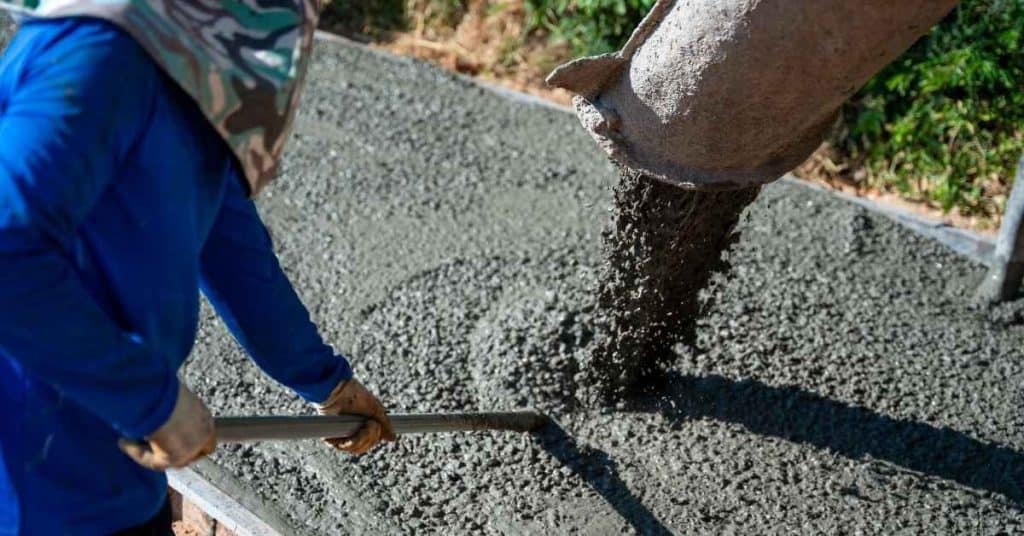
Worker pouring and leveling wet concrete outdoors

Repairing a Concrete Slab That’s Sinking at One Corner: DIY Foam vs. Mudjacking Basics

Introduction Repairing a Concrete Slab That’s Sinking at One Corner: DIY Foam vs. Mudjacking Basics means choosing a DIY-friendly way to lift a sunken corner using either foam injection or mud-based slurry under the slab. The goal is to restore level support by filling voids and stabilizing the edge that has dropped. You should always

Repairing a Concrete Slab That’s Sinking at One Corner: DIY Foam vs. Mudjacking Basics Read More »

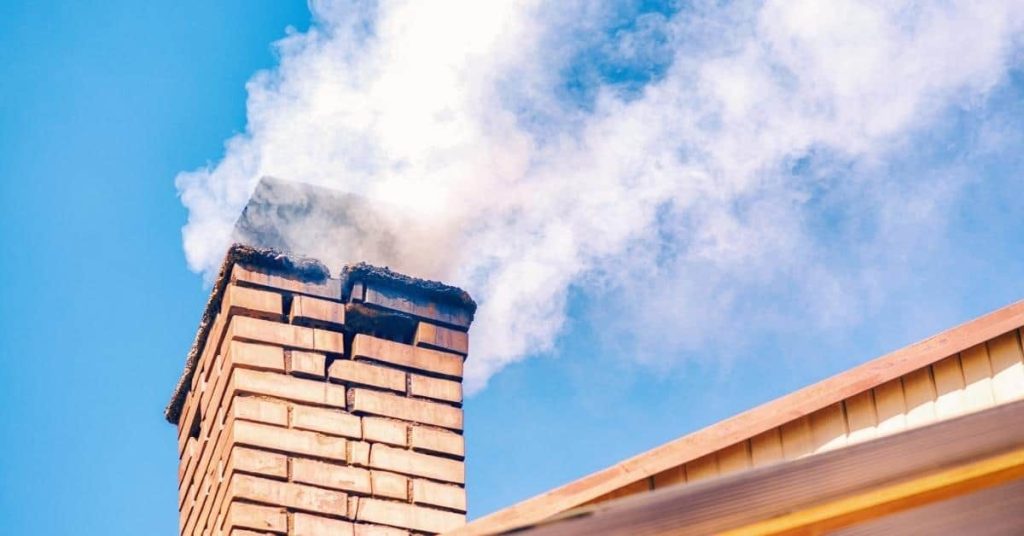
Brick chimney with smoke emitting against blue sky

Chimney Stucco Failures: Heat, Cracks, and Repair Choices

Introduction Chimney stucco failures are cracks and deterioration in the exterior plaster caused by heat exposure, moisture, and movement. These issues show up as hairline cracks, spalling, or texture changes that let water in. Addressing them early keeps water out and protects the brick or block behind the finish. To start, inspect for cracks that

Chimney Stucco Failures: Heat, Cracks, and Repair Choices Read More »

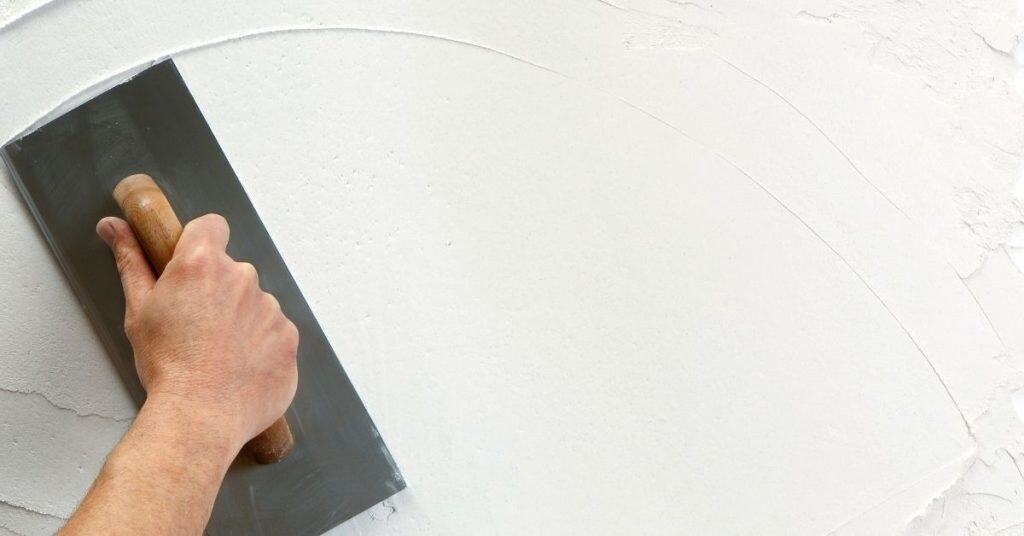
Hand holding trowel smoothing plaster on wall

Plaster Crack Repair That Lasts: Stabilize Movement Before You Patch

Introduction Stabilizing movement before patching means stopping the wall from shifting so the patch can stick. This is a hands-on job, not a quick cover-up. You’ll address the underlying cause first, then patch. Start by locating what’s moving in the wall and take steps to stop it. Secure loose framing with basic fixes and let

Plaster Crack Repair That Lasts: Stabilize Movement Before You Patch Read More »

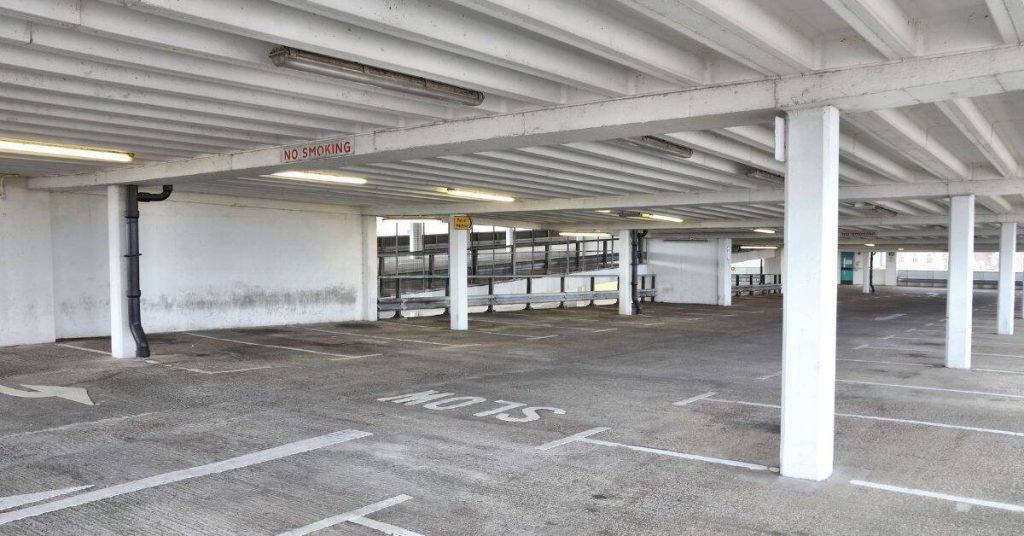
Empty concrete parking garage with support columns and ceiling beams

Concrete Shrinkage-Reducing Options: What Helps on Small DIY Pours

Introduction Shrinkage-reducing options are methods and approaches that help concrete settle with less shrinking and cracking on small pours. For DIY projects, you’ll hear about techniques like using a drier mix strategy and careful placement to control how water behaves. One common option is dry pouring, a method that aims to minimize free water and

Concrete Shrinkage-Reducing Options: What Helps on Small DIY Pours Read More »

Vintage clawfoot bathtub in white bathroom with tiled floor

Concrete Shrinkage Cracks Explained: Shrinkage, Settlement, and When to Worry

Introduction Shrinkage cracks are small splits in concrete that form as it dries and hardens. They often show up after pouring or settling, and they can run across slabs or near edges. Being aware of where they appear helps you decide if they’re a normal finish or a sign to watch closely. Identifying them means

Concrete Shrinkage Cracks Explained: Shrinkage, Settlement, and When to Worry Read More »

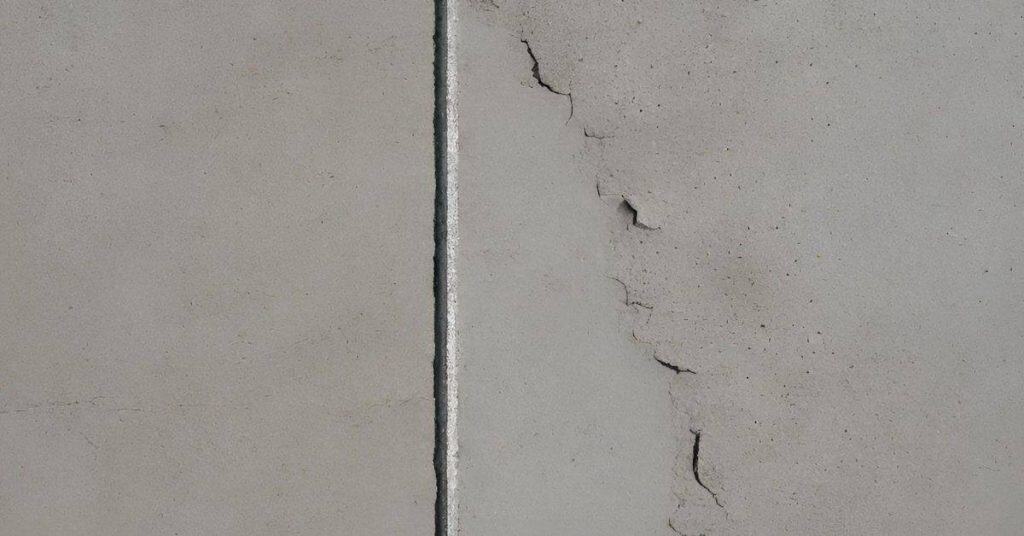
Concrete wall with visible cracking and peeling surface

Concrete Etching Gone Wrong: How to Neutralize and Recover the Surface

Introduction Concrete etching gone wrong means a surface that has been over-etched or uneven, requiring neutralizing and surface recovery. This intro covers surface preparation before etching, how to apply the corrective solution, and what comes after. Always follow the product label and your local rules for handling chemicals. After etching, neutralize the surface as directed

Concrete Etching Gone Wrong: How to Neutralize and Recover the Surface Read More »