Search Results for: concrete chip repair

black wooden double entry doors with small window panes

Saw-Cut Timing With Early-Entry Saws: When They Beat a Standard Saw

Introduction Early-entry saws let you start a cut sooner than a standard saw. This approach aims to save time and reduce waiting around for equipment or setup. Keep in mind you must check safety and jobsite rules before changing timing. Plan your sequence, set up blades, and keep steady progression to avoid overheating or mistakes. […]

Saw-Cut Timing With Early-Entry Saws: When They Beat a Standard Saw Read More »

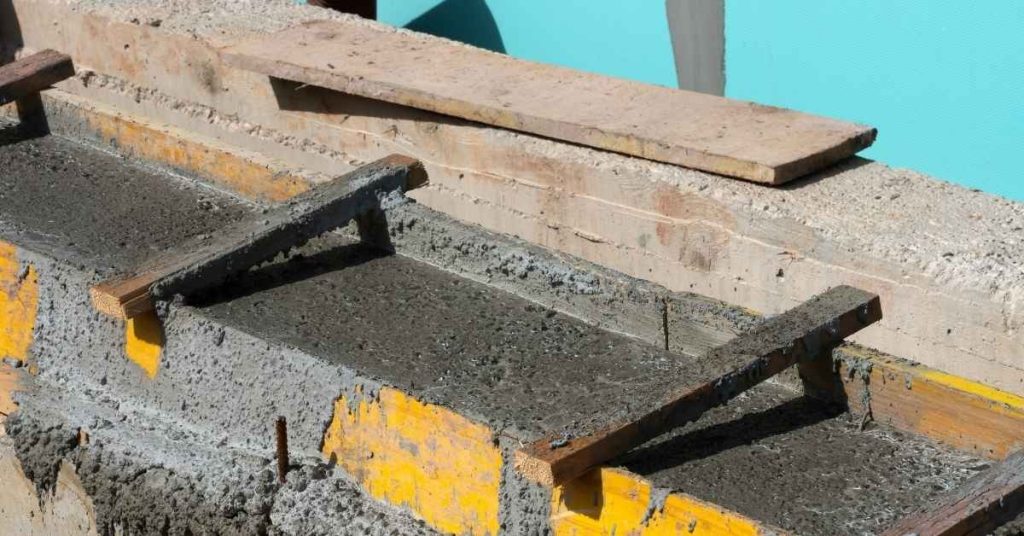
Freshly poured concrete in wooden formwork outdoors

Dealing With Surprise Rain Mid-Pour: What to Cover, What to Keep Working, and What to Redo

Introduction Rain mid-pour can ruin fresh concrete; cover, protect, and resume safely. Protect exposed areas with appropriate coverings, don’t work on wet concrete, and check forms for any change. After rain, inspect for surface defects, damp spots, or set delays before continuing. Resume pouring only when conditions are right and you follow the coating and

Dealing With Surprise Rain Mid-Pour: What to Cover, What to Keep Working, and What to Redo Read More »

Hands applying plaster on wall with trowel

Gypsum Plaster Over Lime Plaster: Compatibility, Primers, and Preventing Debonding

Introduction Gypsum plaster over lime plaster is the practice of applying gypsum-based plaster on top of lime-based plaster to create a smooth, finished surface. Compatibility comes down to surface prep, the right primer, and following each material’s instructions. Before you start, check that the lime is fully set and not actively chalking, and plan a

Gypsum Plaster Over Lime Plaster: Compatibility, Primers, and Preventing Debonding Read More »

Close-up of decorative plaster floral relief pattern

Sgraffito on Lime Plaster: Layering Colors, Cutting Timing, and Protecting the Artwork

Introduction Sgraffito on lime plaster is a decorative technique where you scrape away a colored top layer to reveal a contrasting color beneath. It relies on careful layering of lime plaster and pigment, followed by controlled cutting to create that contrast. Make sure you verify weather conditions, surface preparation, and product instructions before starting. Start

Sgraffito on Lime Plaster: Layering Colors, Cutting Timing, and Protecting the Artwork Read More »

Closeup of metal chain link fence with blurred background

Metal Accessory Corrosion (Beads, Screeds) in Coastal Zones: Material Upgrades and Isolation Tricks

Introduction Coastal metal accessories like beads and screeds that contact concrete are prone to corrosion from salt and moisture. This topic covers practical upgrades and isolation tricks you can use during DIY work. Treat it as a hands-on job: plan, protect, and seal where metal meets concrete. Look for corrosion-resistant alloys or coatings and install

Metal Accessory Corrosion (Beads, Screeds) in Coastal Zones: Material Upgrades and Isolation Tricks Read More »

Weathered pink stucco wall with discoloration and patches

Acrylic Finish Coats (Synthetic Stucco): When They’re Appropriate and How to Avoid Plastic-Looking Patches

Introduction Acrylic finish coats are a synthetic stucco layer applied to exterior walls for a hard, weather-resistant surface. They’re appropriate when you want a durable, low-maintenance outer coat that can flex with shifting framing. Choose a system that matches your substrate and climate, and verify guidance from the manufacturer or local rules. The installation steps

Acrylic Finish Coats (Synthetic Stucco): When They’re Appropriate and How to Avoid Plastic-Looking Patches Read More »

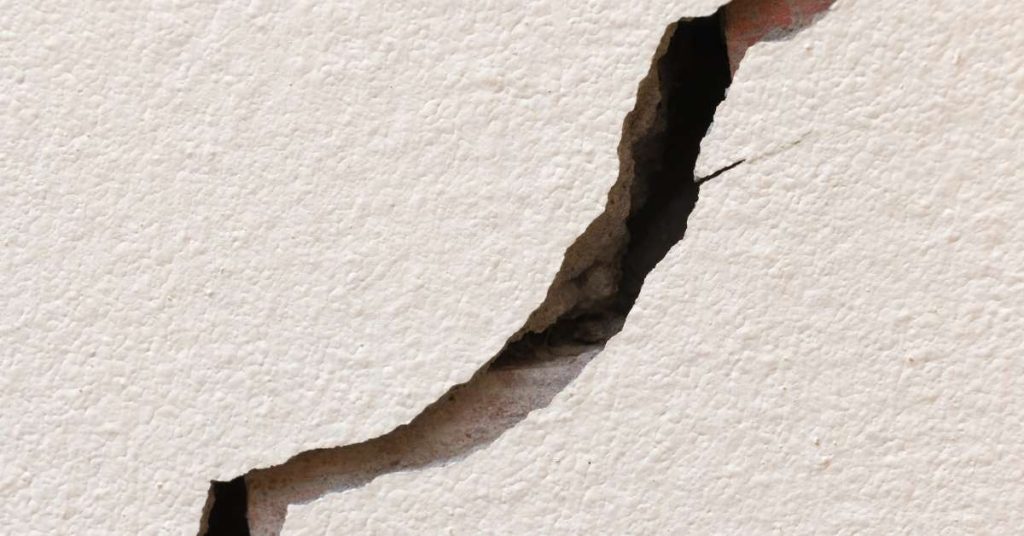
Close-up of a large crack in a stucco wall

Stucco Soffits and Overhangs: Crack Control at Framing Transitions and Vent Cutouts

Introduction Stucco soffits and overhangs are the sheltered edges under the roof where it meets the wall, and cracking happens where framing moves or openings exist. This article walks you through noticing those cracks early and keeping moisture out. You’ll learn simple, hands-on checks you can perform during a DIY project and what to fix

Stucco Soffits and Overhangs: Crack Control at Framing Transitions and Vent Cutouts Read More »

Smooth glossy gray epoxy coated floor inside a room

Dealing With Soft, Carbonated Surface Paste: Grind Depth, Densifiers, and Coating Compatibility

Introduction Soft, carbonated surface paste is the chalky, weakened layer on concrete that needs removal or stabilization before finishing. Start with a small test spot to gauge how deep you’ll need to grind, and avoid taking off more than necessary. Always check the tool’s pad wear and the manufacturer or local rules for safe grind

Dealing With Soft, Carbonated Surface Paste: Grind Depth, Densifiers, and Coating Compatibility Read More »

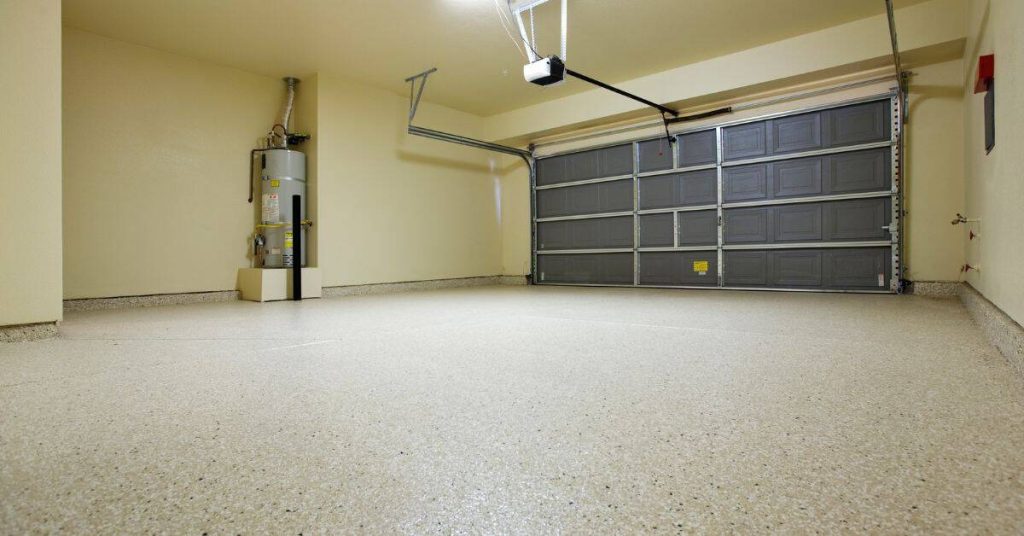
Clean epoxy-coated residential garage floor with water heater

Salt-Contaminated Garage Slabs: Cleaning Limits and Coating System Choices That Survive

Introduction Salt-contaminated garage slabs are concrete floors with salt residues that can interfere with finishes and moisture behavior. The salt can come from de-icing agents or nearby treatments, and this article explains what to expect when cleaning and choosing a coating that lasts. Salt residue can cause efflorescence, staining, and a weakened surface near joints,

Salt-Contaminated Garage Slabs: Cleaning Limits and Coating System Choices That Survive Read More »