Search Results for: concrete chip repair

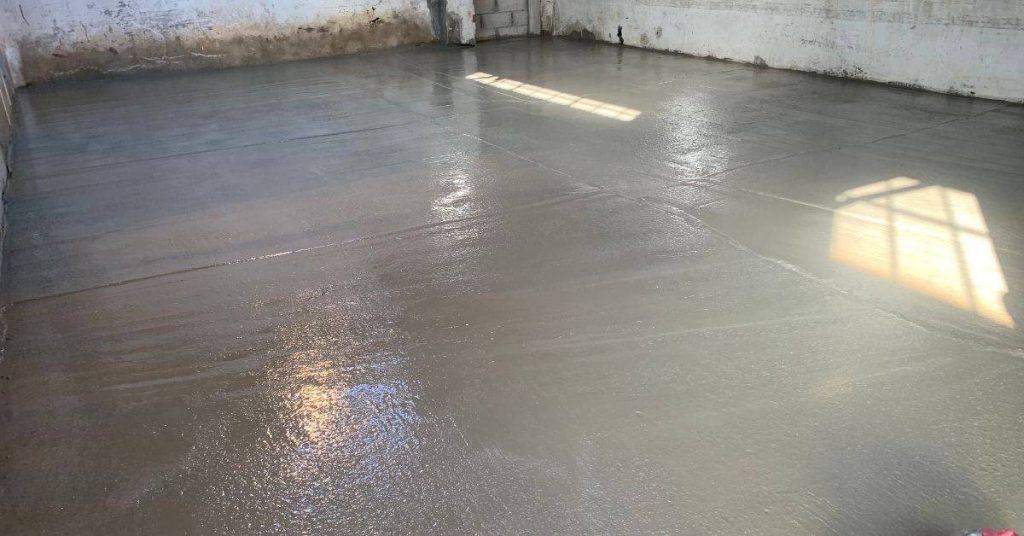
Freshly poured concrete floor inside a building

How to Cut Control Joints in Small Slabs Without a Saw: Groovers, Guides, and Timing

Introduction Control joints are deliberate grooves in concrete that guide where cracks will form as the slab cures. They help prevent random cracking and keep surfaces looking straight. For small slabs, you can create them without a saw by using groovers, guides, and proper timing. Timing matters: cut or groove the slab after the concrete […]

How to Cut Control Joints in Small Slabs Without a Saw: Groovers, Guides, and Timing Read More »
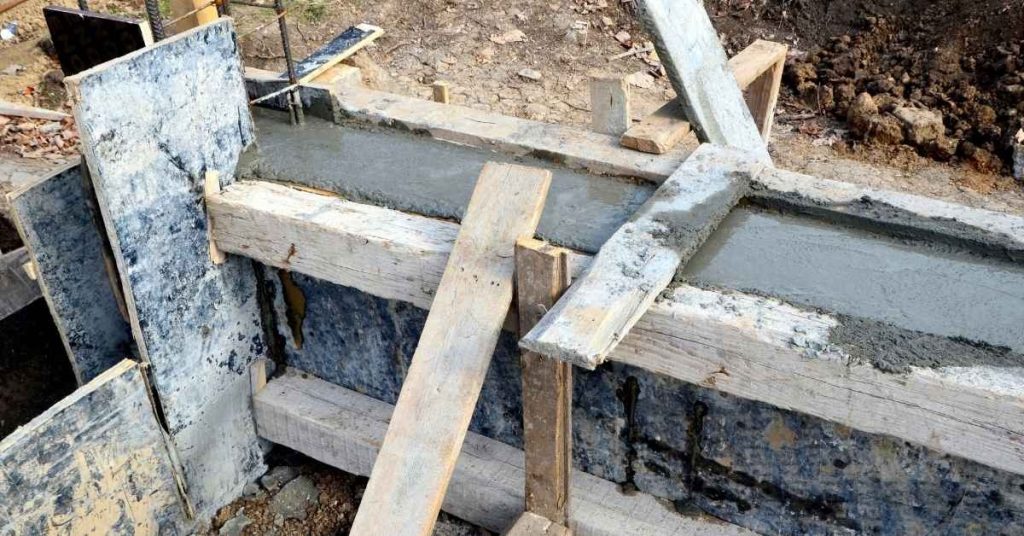
Wooden concrete forms filled with fresh concrete at construction site

Vibration for Small Forms: How to Reduce Bugholes Without Washing Cement Paste to the Face

Introduction Vibration for small forms reduces bugholes by helping the cement paste settle and lock to the form surface without washing off the surface layer. Bugholes stem from air pockets and laitance left on the surface, and proper vibration can minimize them if you don’t overwork the mix. Use a light, targeted approach to keep

Vibration for Small Forms: How to Reduce Bugholes Without Washing Cement Paste to the Face Read More »

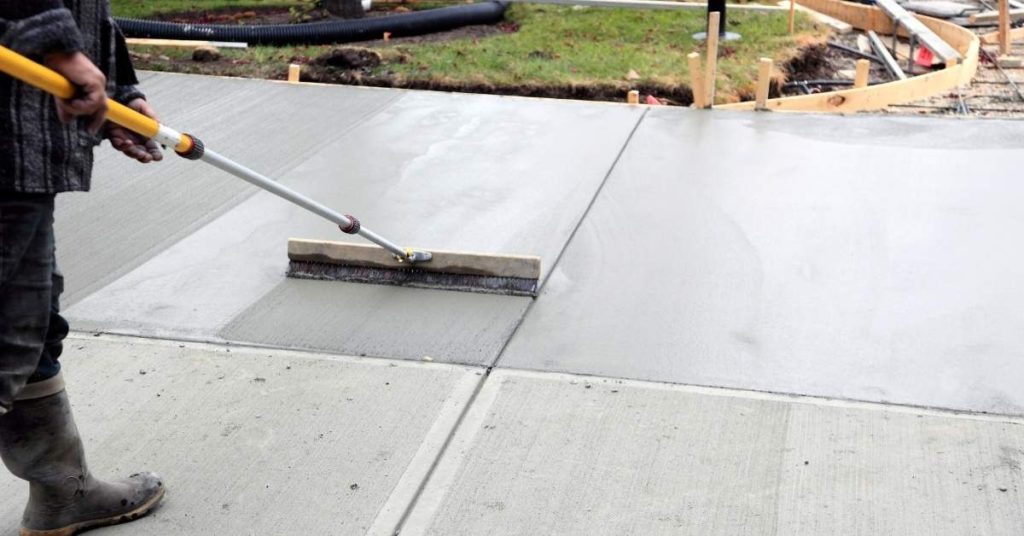
Person smoothing wet concrete sidewalk with a broom

How to Clean Anchor Holes Properly: Blow-Brush-Blow vs Shop Vac Myths

Introduction Cleaning anchor holes properly means removing debris so anchors seat correctly and safely. In this article we’ll cover plain-language, hands-on steps you can use at the job site. You should verify any technique against the product label and local rules before you start. Blow-Brush-Blow is a routine some DIYers try, but its effectiveness depends

How to Clean Anchor Holes Properly: Blow-Brush-Blow vs Shop Vac Myths Read More »

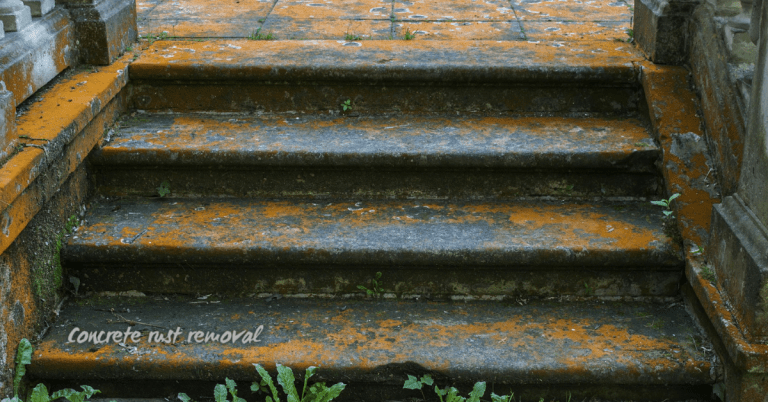
Concrete steps with orange rust stains and some plants growing

DIY Salt Damage Prevention for Steps: Pre-Winter Sealer Checks and Drainage Tweaks

Introduction Salt damage prevention for steps means preparing concrete stairs to resist freeze-thaw and salt exposure before winter. This involves inspecting surfaces, cleaning debris, and checking the edge seals so water and salt don’t penetrate. Keep an eye on cracks or chips and plan resealing if you spot trouble. Before the cold sets in, look

DIY Salt Damage Prevention for Steps: Pre-Winter Sealer Checks and Drainage Tweaks Read More »

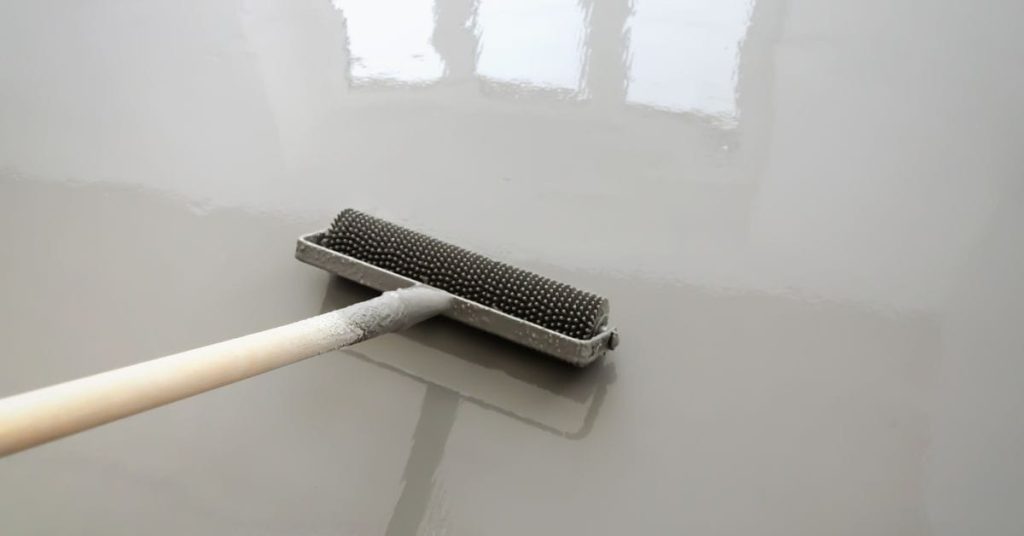
Paint roller with textured surface applying coating on floor

Flake Floor Topcoat Orange Peel: Roller Choice, Pot Life, and Temperature Effects

Introduction Flake Floor Topcoat Orange Peel is a textured coating finish created by rolling to leave small pits in the surface. Choose a roller with a short nap and a smooth frame, and test small areas to see how the texture lands. Apply in even coats and follow the manufacturer’s guidance for drying and cure

Flake Floor Topcoat Orange Peel: Roller Choice, Pot Life, and Temperature Effects Read More »

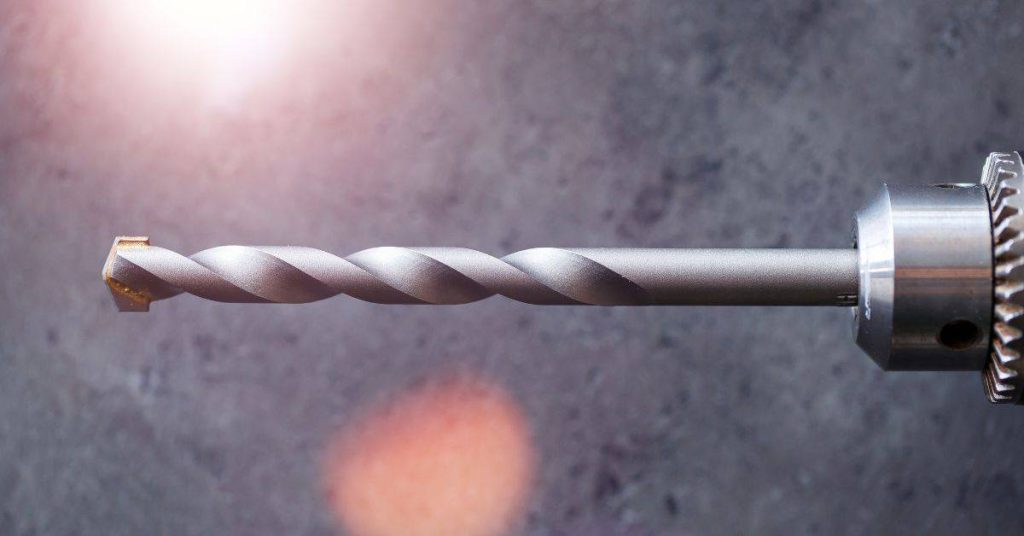
Closeup of drill bit attached to a drill chuck

How to Clean Anchor Holes Properly: Blow-Brush-Blow vs Shop Vac Myths

Introduction Cleaning anchor holes means removing dust, debris, and loose material so fasteners grip properly. This article covers practical, hands-on steps you can take without fancy gear, and it debunks common myths. Always start by inspecting the hole and following the anchor manufacturer’s guidance. Blow-Brush-Blow and Shop Vac are common ideas for clearing holes, but

How to Clean Anchor Holes Properly: Blow-Brush-Blow vs Shop Vac Myths Read More »

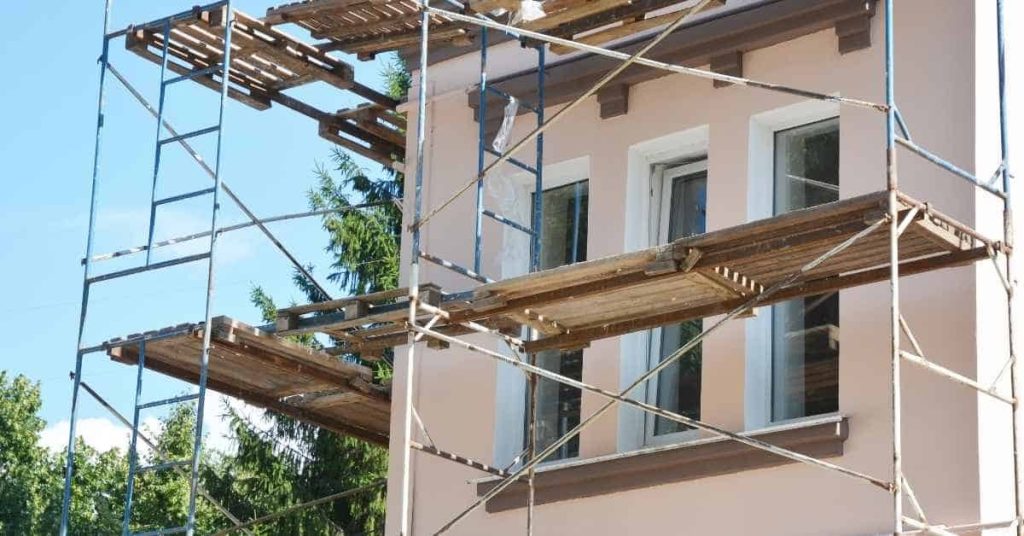
Metal scaffolding around exterior stucco wall

Stucco Fasteners That Rust: Choosing Corrosion-Resistant Options for Accessories

Introduction Corrosion-resistant fasteners for stucco are screws and anchors designed to resist rust and deterioration in exterior plaster assemblies. Choosing these options helps prevent staining and premature failure on outdoor walls. Always follow manufacturer instructions and local rules when selecting materials. For durability, compare stainless steel and coated steel fasteners and read the product labels

Stucco Fasteners That Rust: Choosing Corrosion-Resistant Options for Accessories Read More »

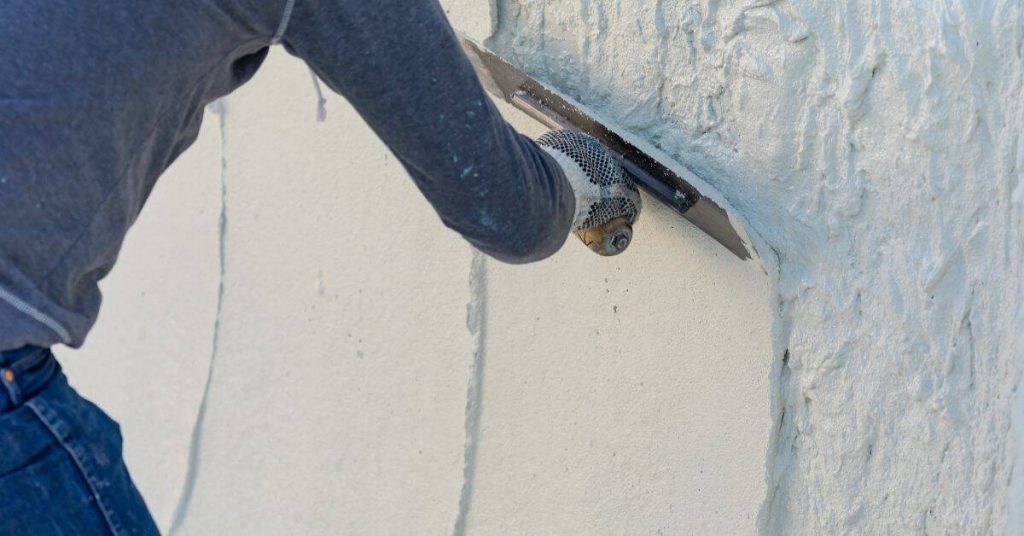
Person applying stucco texture on exterior wall

Running Exterior Cables on Stucco: Straps, Anchors, and Waterproof Penetrations

Introduction Running exterior cables on stucco involves securing the cable with appropriate straps or anchors and sealing any penetrations to keep moisture out. Do it with care, choosing hardware rated for outdoor use and compatible with stucco surfaces. Plan routes and clean the surface before mounting to avoid damage and ensure solid footing. Types of

Running Exterior Cables on Stucco: Straps, Anchors, and Waterproof Penetrations Read More »

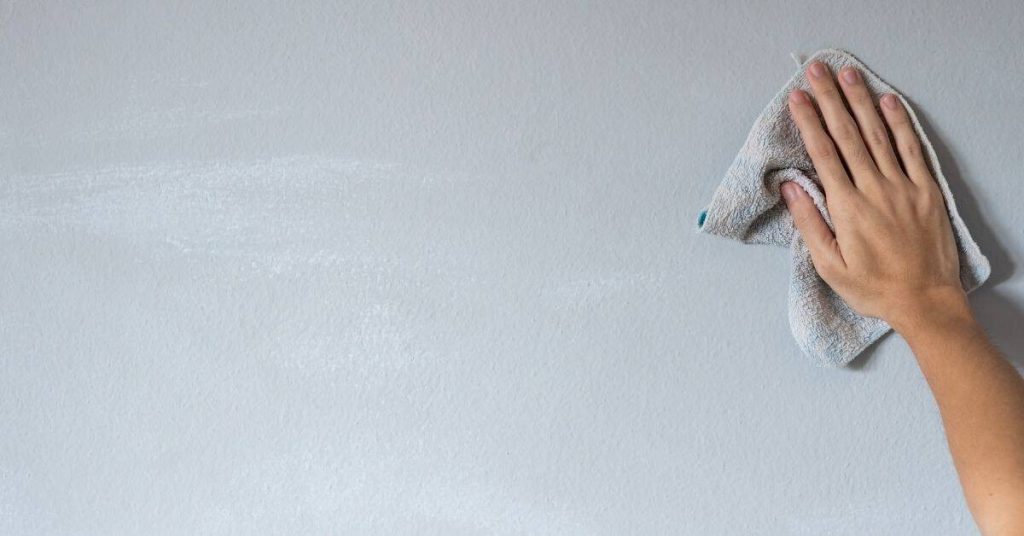
Hand wiping a smooth light gray wall with a cloth

Venetian Plaster in Bathrooms: Soap Scum, Cleaning, and Where It’s a Bad Idea

Introduction Venetian plaster in bathrooms is a polished, lime-based finish that can show soap scum and water marks if not cleaned with care. This article gives practical, hands-on tips for keeping the surface clean without risking damage. It also covers when it’s not a good idea to use harsh cleaners on this finish. White vinegar

Venetian Plaster in Bathrooms: Soap Scum, Cleaning, and Where It’s a Bad Idea Read More »

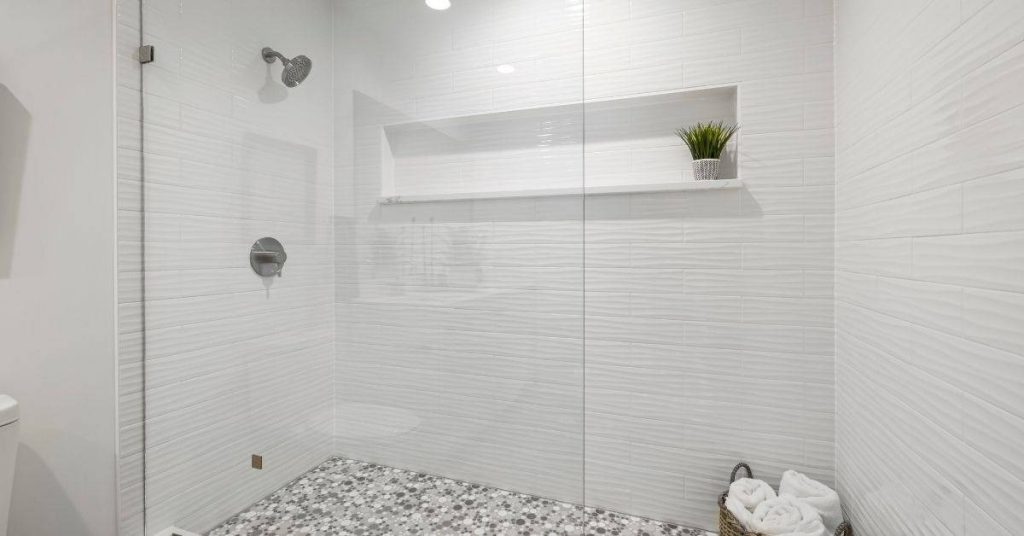
white textured tile shower with niche and glass door

Tadelakt on Shower Niches: Edge Details That Keep Water Out of Transitions

Introduction Tadelakt on shower niches is applying a polished lime-plaster finish to the niche with well-planned edge details to keep water from leaking into transitions. This is a hands-on DIY job, so you’ll be shaping and sealing the edges as you plaster and tile. Focus on edge trim profiles and how they meet the wall

Tadelakt on Shower Niches: Edge Details That Keep Water Out of Transitions Read More »