Search Results for: concrete chip repair

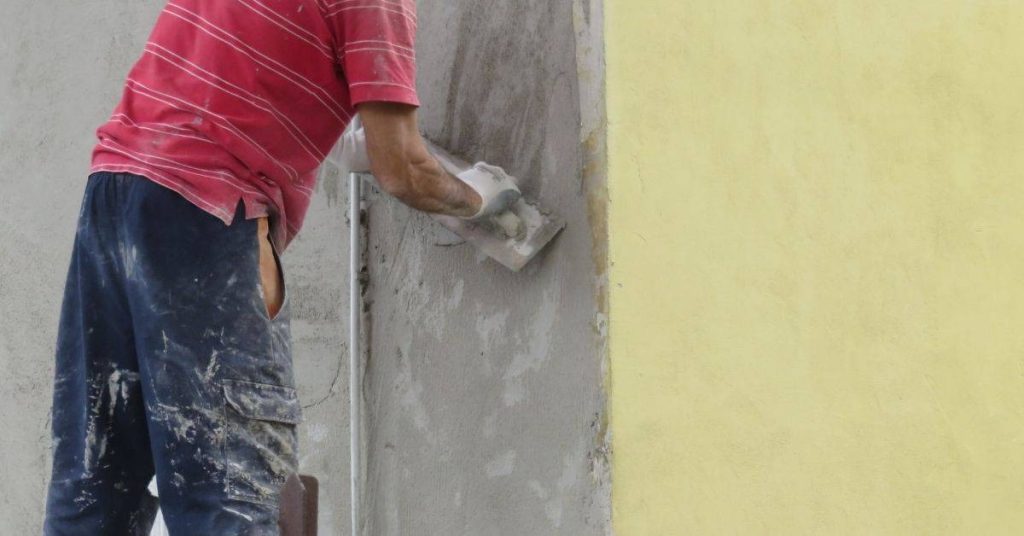
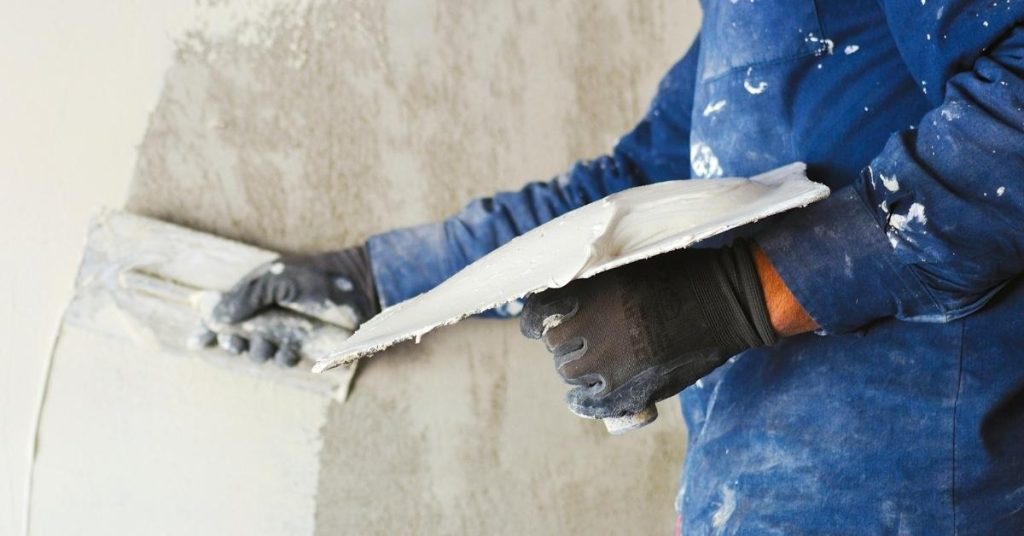
Worker applying plaster to wall with trowel and hawk

Venetian Plaster Over Existing Tile: Prep, Bond Bridges, and Edge Detailing

Introduction Venetian plaster over existing tile is applying plaster onto a tile surface to create a seamless, stone-like finish. Prep and bond are critical, because you’re sticking plaster to a non-porous base. You’ll need to clean, roughen, and seal as needed, then choose a compatible bonding product and follow its directions. Start with careful prep, […]

Venetian Plaster Over Existing Tile: Prep, Bond Bridges, and Edge Detailing Read More »
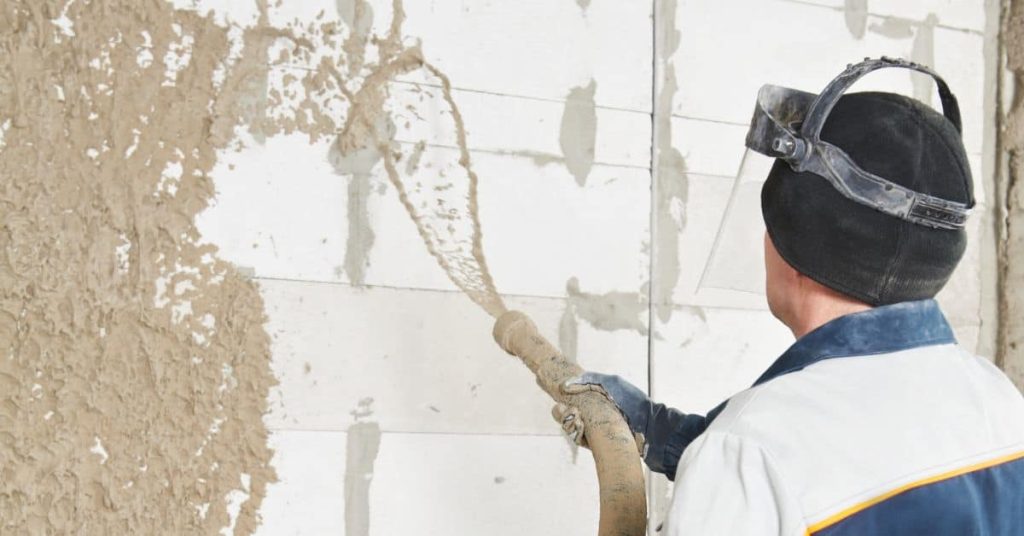
Worker spraying wet stucco onto wall surface

Plaster Base Coats on Metal Lath: Thickness Targets and Scratch Patterns That Hold

Introduction A plaster base coat on metal lath is the first plaster layer that bonds to the lath and creates a solid surface. Apply it over clean, prepared metal lath and follow the guidance on the product label or manufacturer instructions. Keep the mix at a workable consistency and follow any local rules or instructions

Plaster Base Coats on Metal Lath: Thickness Targets and Scratch Patterns That Hold Read More »

Worker applying wet stucco to wall with trowel

Stopping Parapet Leaks with Stucco: Coping Caps and Top-Edge Detailing

Introduction This article covers how to stop parapet leaks with stucco through coping caps and top-edge detailing. You’ll approach this as a hands-on project, not a textbook lesson. Expect practical steps you can check on site and adjust for your wall setup. Plan for proper flashing, sealants, and coping cap installation, and verify what your

Stopping Parapet Leaks with Stucco: Coping Caps and Top-Edge Detailing Read More »

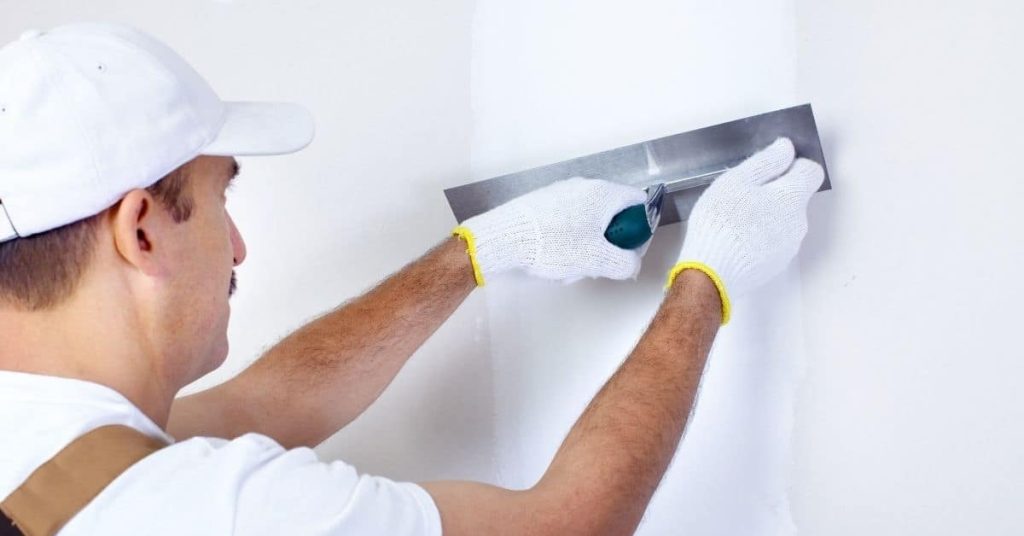
Worker smoothing white plaster wall with metal trowel

Plaster Returns at Deep Windows: Reinforcement That Doesn’t Bulge the Edge

Introduction Reinforcement for plaster returns at deep windows means adding solid edge support so the plaster won’t bulge. In practice you build up a stable, tight edge before the final coat. This keeps the plaster flush and reduces cracking. Use appropriate edging, furring, or metal lath as directed on the product label and by the

Plaster Returns at Deep Windows: Reinforcement That Doesn’t Bulge the Edge Read More »

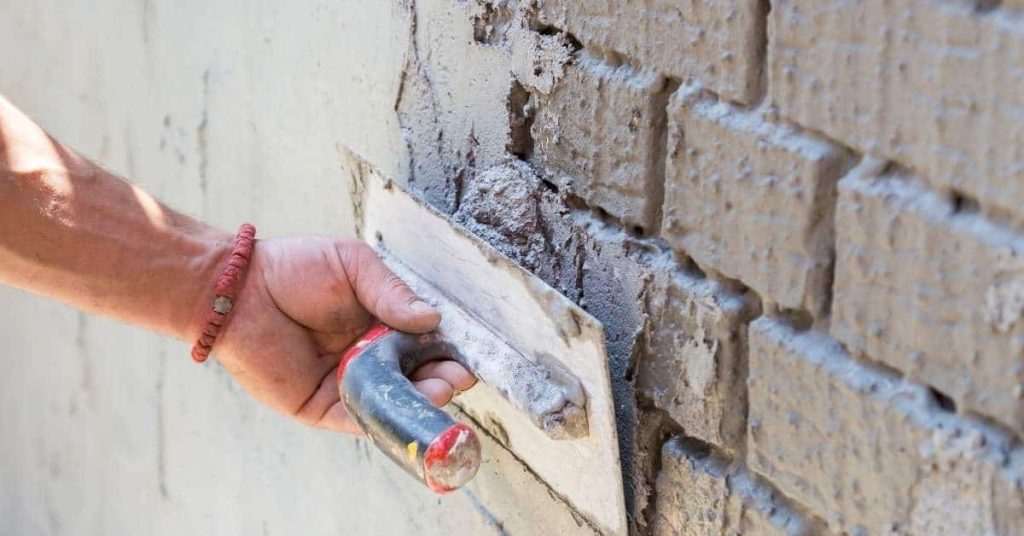
Hand applying cement plaster with trowel on brick wall

Keene’s Cement Plaster: When Hardness Helps and How to Avoid Crazing

Introduction Keene’s cement plaster is a lime-based plaster mix that hardens to a solid wall finish. Hardness in this plaster helps durability, but it can cause cracks if it’s applied or cured improperly. To avoid crazing, follow proper mixing, priming, and curing practices and check product instructions for recommended working times and environmental limits. If

Keene’s Cement Plaster: When Hardness Helps and How to Avoid Crazing Read More »

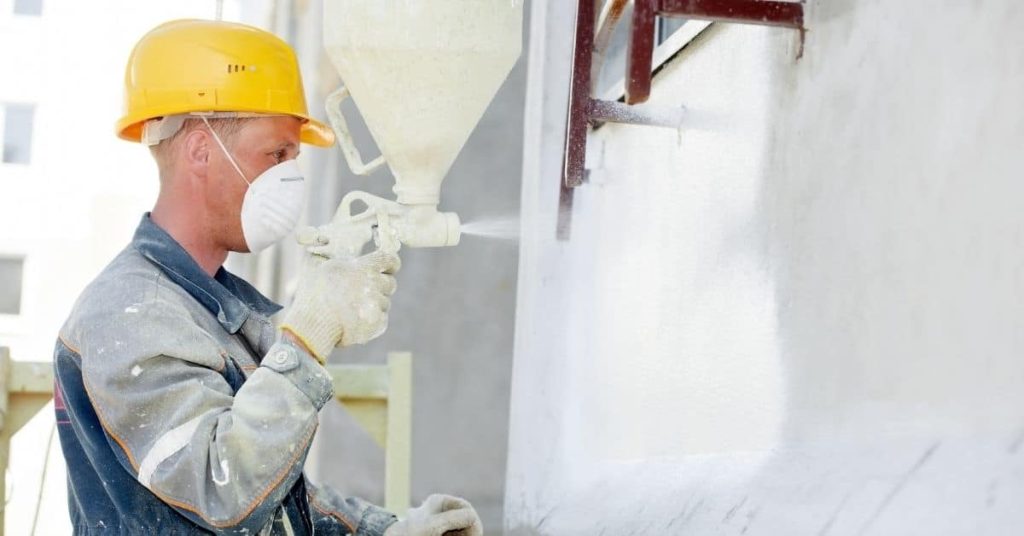
Worker spraying stucco on exterior wall wearing hard hat and mask

Stucco Around Hose Bibs: Sleeves, Sealant Geometry, and Crack Prevention

Introduction Stucco around hose bibs is the practice of enclosing the faucet with a protective sleeve and proper sealant so water stays out. The goal is a tight, weatherproof transition where the hose bib meets the stucco skin. This is a hands-on task, not a theory exercise. Start with correct sleeves and a flush, clean

Stucco Around Hose Bibs: Sleeves, Sealant Geometry, and Crack Prevention Read More »

closeup of textured light gray stucco wall surface

Sprinkler Damage on Stucco: Salt, Staining, and Long-Term Protection

Introduction Sprinkler damage on stucco is the salt and water-related staining and surface effects caused by sprinkler spray. Sprinkler spray can leave salty deposits, efflorescence, and moisture issues on stucco. This article covers how to spot salt staining, what causes it, and why sealing can help protect the surface. Look for white, powdery deposits, dark

Sprinkler Damage on Stucco: Salt, Staining, and Long-Term Protection Read More »

Exposed brick wall partly covered with gray stucco render

Stucco-to-Brick Transitions: Movement Joints and Water Breaks That Don’t Crack

Introduction A movement joint at a stucco-to-brick transition is a deliberate gap that lets the siding materials expand and contract without cracking. Its job is to separate the two substrates so stresses don’t transfer and crack the finish. This article shows practical, hands-on steps for placing joints and installing water breaks so the transition stays

Stucco-to-Brick Transitions: Movement Joints and Water Breaks That Don’t Crack Read More »

Pile of broken red bricks and rubble

Spalling Brick Diagnosis: Freeze-Thaw, Salts, and the “Stop the Water” Plan

Introduction Spalling brick diagnosis is identifying why bricks are flaking or crumbling due to freeze-thaw, salts, or moisture. This is a hands-on check to help you decide what needs repair and how to stop further damage. Look for cracking, hollow sounds, powdery surfaces, or powdery efflorescence as clues. Start by stopping water entry and planning

Spalling Brick Diagnosis: Freeze-Thaw, Salts, and the “Stop the Water” Plan Read More »

Two white windows in red brick wall with flower boxes

Sealing Brick the Safe Way: Breathable Sealers vs Films—and When to Skip Both

Introduction Breathable sealers let moisture escape from brick while still sealing it; film sealers keep a surface layer that can trap moisture. As a DIYer, you’ll notice breathable options let the brick breathe, while film options can give a smoother, glazed look. Check the label for breathability cues and follow the manufacturer’s suggestions, and avoid

Sealing Brick the Safe Way: Breathable Sealers vs Films—and When to Skip Both Read More »