Search Results for: cleaning mortar

Close-up of stamped concrete with circular textured pattern

Stamped Concrete Walkway Troubleshooting: Symptoms, Fixes & Common Mistakes

Introduction Stamped concrete walkways can enhance your home’s curb appeal while providing durable, low-maintenance surfaces. However, like any outdoor feature, they may encounter issues over time. This guide helps you identify common problems and provides practical troubleshooting steps to keep your stamped concrete walkway looking its best. The Stamped Concrete Walkway Timeline: From Preparation to […]

Stamped Concrete Walkway Troubleshooting: Symptoms, Fixes & Common Mistakes Read More »

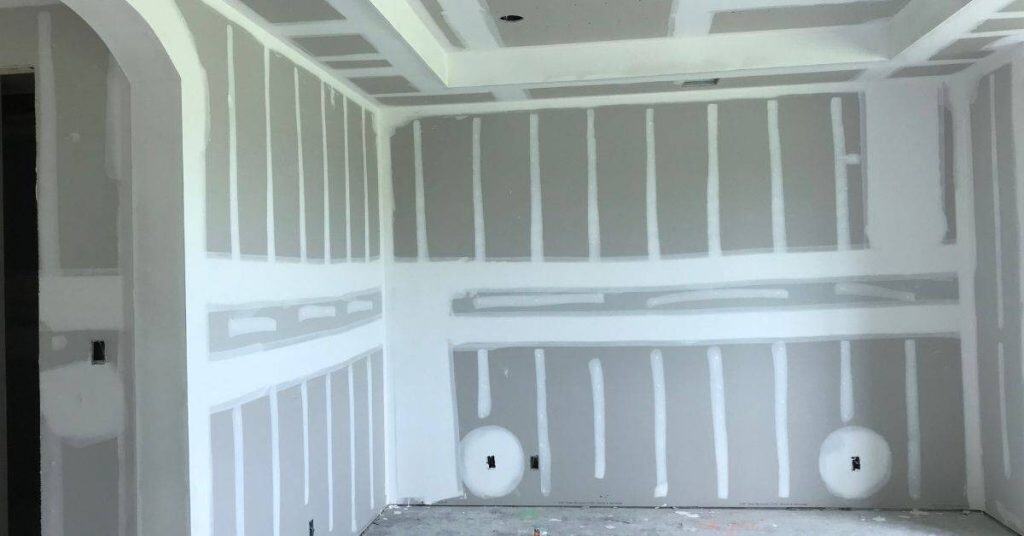
Drywalled room with taped and mudded seams

How to Fix a Cracked Drywall Corner Bead (Outside Corner Repair)

Introduction A cracked drywall corner bead is a damaged outside corner trim that needs repair to restore a clean, square edge. It often happens from impact, vibration, or poor initial installation. This intro keeps the repair practical and doable for a DIY job at home. We’ll walk through a straightforward approach: assess the damage, replace

How to Fix a Cracked Drywall Corner Bead (Outside Corner Repair) Read More »

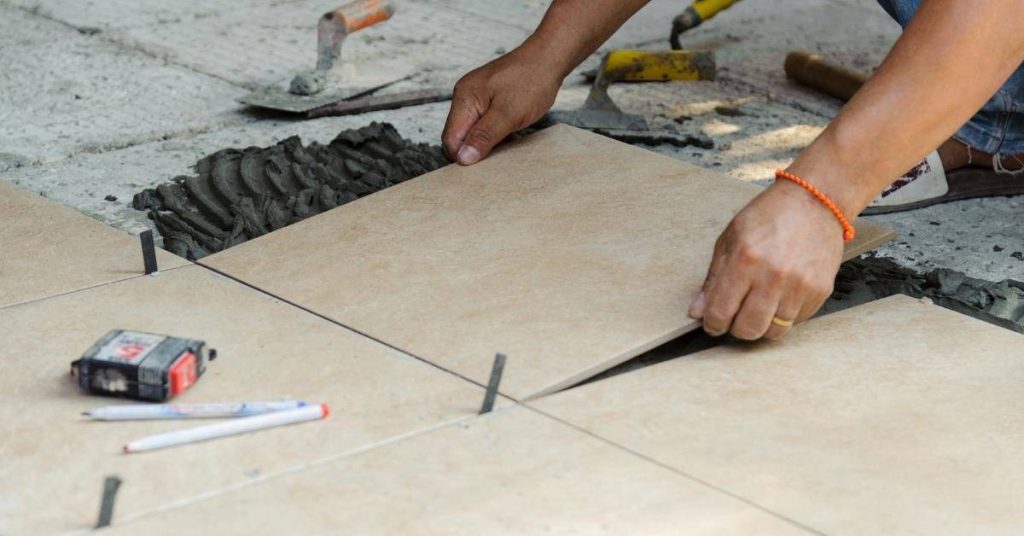
Hands placing beige floor tiles with black spacers between them

Tile Spacers Vs Wedges Vs Leveling Systems: What Each Actually Does

Introduction Tile spacers, wedges, and leveling systems are tools to keep tiles aligned and at a consistent height while you set them. They each serve different roles in the job, and using the right one helps prevent lippage and misalignment. Trust the product label and manufacturer instructions for how to install and use them on

Tile Spacers Vs Wedges Vs Leveling Systems: What Each Actually Does Read More »

Rubber mallet and level on concrete floor with tiles

Tile Substrate Checklist: What Must Be Flat, Solid, and Clean Before You Start

Introduction Your tile substrate must be flat, solid, and clean before you start. That means checking for levelness, firm backing, and a dust-free surface. If you find problems, fix them before laying tile. -None>Check the substrate with a straightedge or level and use the right patching or leveling products as directed on the label. Sweep

Tile Substrate Checklist: What Must Be Flat, Solid, and Clean Before You Start Read More »

Man applying plaster near window corner with trowel

How to Fix Plaster Cracks at Door and Window Corners (Reinforcement Choices)

Introduction This guide explains how to reinforce and fix plaster cracks at door and window corners. Key takeaways Identify plaster cracks at door and window corners early; note hairline vs structural. Assess damage and plan: remove loose plaster, check lath backing, choose reinforcement. Replacing damaged lath or backing may be required for solid repair. Apply

How to Fix Plaster Cracks at Door and Window Corners (Reinforcement Choices) Read More »

Unfinished room with drywall and joint compound applied on seams

Plaster Vs Joint Compound: Which Material Belongs in Which Repair

Introduction Plaster is a cement-based finish applied in a thick coat that hardens into a solid surface. Joint compound is a gypsum-based filler designed for walls and seams. For repairs, choose plaster on traditional, solid surfaces and use joint compound for drywall patches and quick fixes. In practice, match the material to the repair and

Plaster Vs Joint Compound: Which Material Belongs in Which Repair Read More »

Workers applying fresh stucco to exterior wall

How to Add a Control Joint to Existing Stucco (Is It Possible?)

Introduction Yes, you can add a control joint to existing stucco by creating a defined break and backing it with proper trim to control cracking. Key takeaways Assess stucco condition and substrate integrity before planning any control joint. Identify joint type (pre-molded, formed, or saw-cut) suitable for existing stucco. Gather tools: chisel, grinder with diamond

How to Add a Control Joint to Existing Stucco (Is It Possible?) Read More »

Closeup of red brick wall with visible mortar joints

Stucco Control Joints: Where They Go and Why They Prevent Cracks

Introduction Control joints are intentional breaks in stucco that give the wall somewhere to move, helping to prevent random cracks. They exist to manage movement from framing, temperature, and moisture rather than to hide cracks after they form. Always check manufacturer guidance and local rules for how wide, where to place, and how to install

Stucco Control Joints: Where They Go and Why They Prevent Cracks Read More »