Search Results for: cement based filler

Plasterer holding trowel with plaster close up

Filling deep holes in plaster: backing methods that prevent shrinkage and cracking

Introduction Backing methods are techniques to support a plaster fill so it doesn’t shrink or crack. They create a stable base behind the hole before applying filler. When choosing a backing, check the wall type and follow safety and product instructions from the manufacturer or local rules. Begin by cleaning the hole and exposing solid […]

Filling deep holes in plaster: backing methods that prevent shrinkage and cracking Read More »

Man applying plaster patch to interior wall

Dealing with nail pops in plaster: anchoring lath and patching without craters

Introduction Nail pops in plaster are raised spots where the plaster separates from the underlying lath, signaling loose fasteners or movement. Identify each pop by feel and sight, and note how many and where it occurs. Fixing starts with reattaching the lath and securing the plaster to prevent future craters. To anchor the lath, locate

Dealing with nail pops in plaster: anchoring lath and patching without craters Read More »

Hand holding trowel and hawk with plaster compound

Planning a plaster skim job: sample walls, staging rooms, and avoiding scope creep

Introduction Planning a plaster skim job is outlining which walls to skim, choosing sample walls to test finishes, and setting up staging areas to keep the work organized. It helps prevent scope creep by defining what work is in scope and what isn’t. Start by walking the space and noting surface condition, then map a

Planning a plaster skim job: sample walls, staging rooms, and avoiding scope creep Read More »

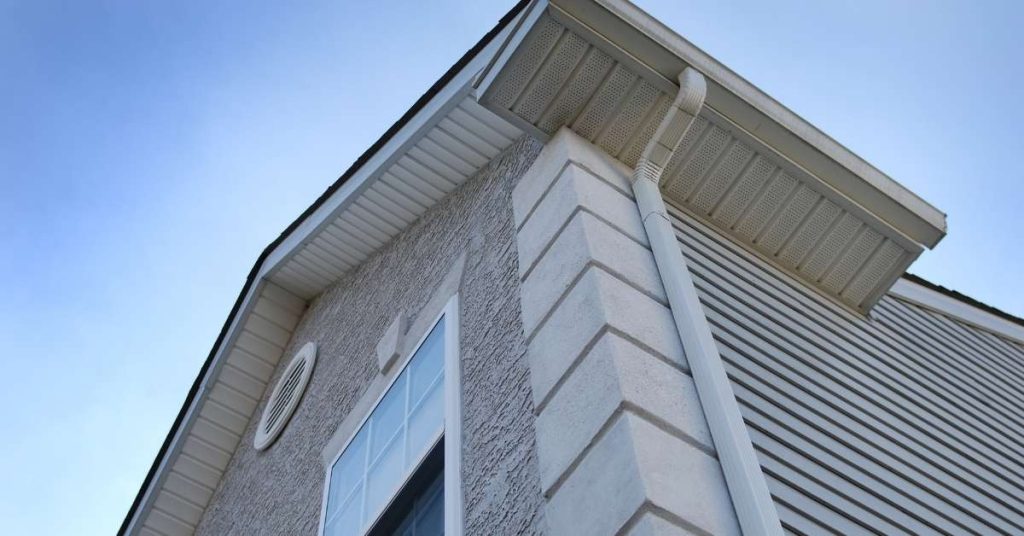
Close-up of exterior corner with stucco finish and siding

Stucco expansion gaps at slab lines: why they crack and how to detail the break

Introduction Expansion gaps at slab lines are deliberate spaces that allow concrete and stucco to move with temperature and moisture changes. They help prevent cracks by giving seams somewhere to open and close without telegraphing through the finish. Cracking often occurs when gaps are too small, poorly located, or not sealed properly over time. Detailing

Stucco expansion gaps at slab lines: why they crack and how to detail the break Read More »

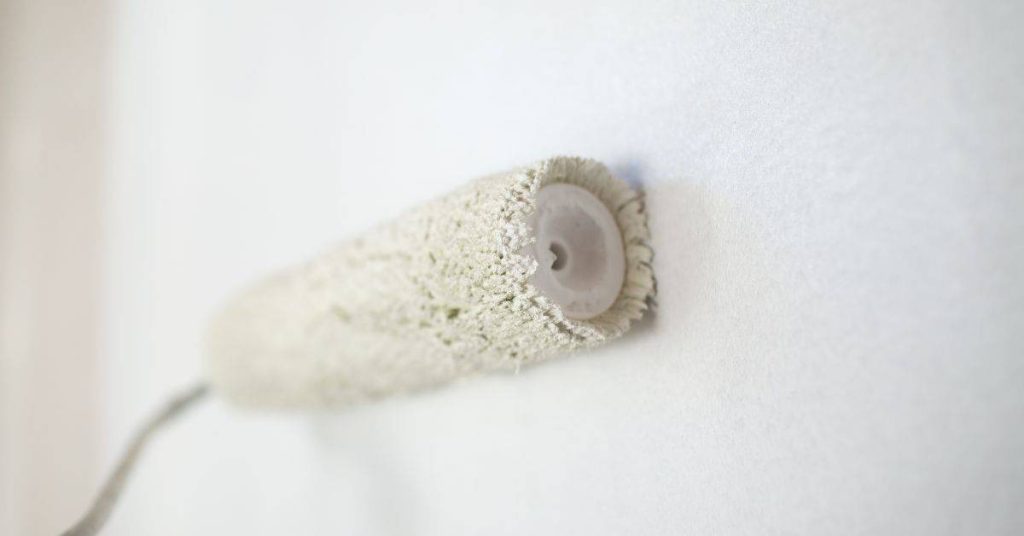
Three different paintbrushes in a blue denim pocket

Stucco texturing tools and patterns: how to replicate dash, lace, and sand finishes

Introduction Stucco texturing tools and patterns refer to the tools and methods used to create dash, lace, and sand finishes on stucco surfaces. This introduction explains how different textures are achieved and what to expect during a DIY application. Start by checking local rules and manufacturer instructions for surface prep and safety. The article covers

Stucco texturing tools and patterns: how to replicate dash, lace, and sand finishes Read More »

Closeup of red brick and gray mortar joints

Cracks along dissimilar materials in stucco: handling wood-to-masonry movement joints

Introduction Cracks along dissimilar materials in stucco occur where wood and masonry move at different rates, and require a proper movement joint. Identify where wood framing meets masonry and where movement joints are needed to allow for expansion and contraction. Keep the project practical by checking existing joints and following manufacturer or local guidance for

Cracks along dissimilar materials in stucco: handling wood-to-masonry movement joints Read More »

Worker spraying white coating onto stucco wall with spray gun

Breathable vs waterproof stucco coatings: choosing paint that won’t trap moisture

Introduction Breathable coatings let moisture escape from the wall while waterproof coatings block water from entering. In practice, choosing between them for stucco means balancing moisture movement with the need for surface protection. Always follow the product label and consider how your climate and surface condition will interact with the coating. Temperature changes can affect

Breathable vs waterproof stucco coatings: choosing paint that won’t trap moisture Read More »

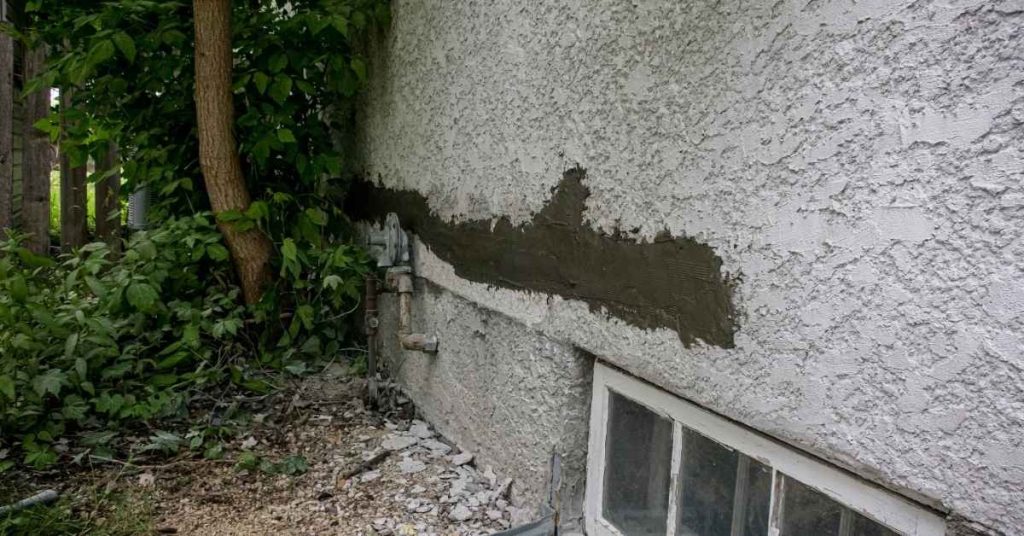
Stucco wall with fresh dark patch repair near window and vegetation

Stucco patch blends that don’t ‘picture frame’: sand matching, fog coats, and feather technique

Introduction Stucco patches can blend in by matching the sand texture, applying a light fog coat, and feathering the edges to disappear. This approach focuses on how the repair looks from close up and at a distance, not on replacing the entire wall. It’s a practical, hands-on method for making repairs less noticeable. Start by

Stucco patch blends that don’t ‘picture frame’: sand matching, fog coats, and feather technique Read More »

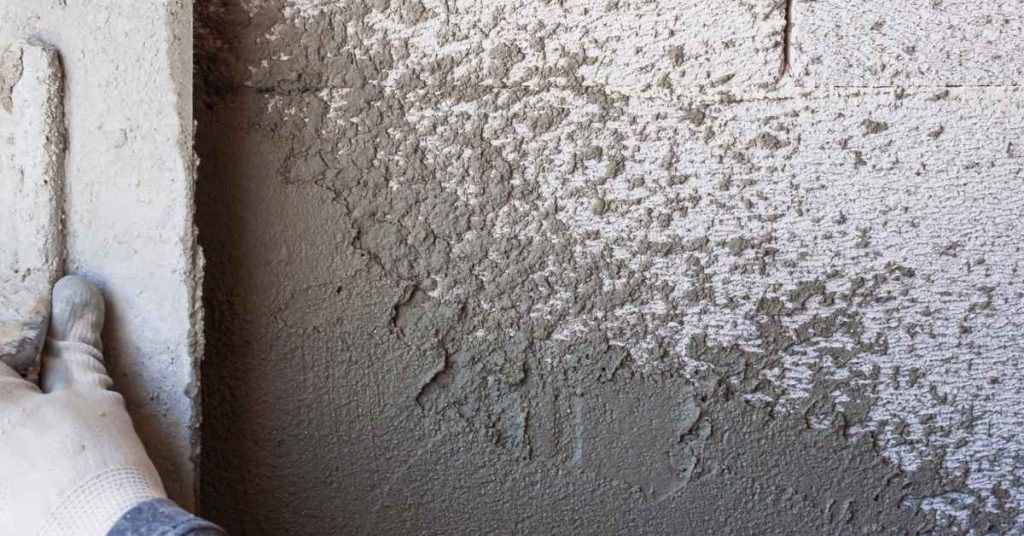
Gloved hand applying stucco scratch coat on lath

Stucco scratch coat keying: getting bite on lath without overworking the mix

Introduction Keying the scratch coat means creating a rough, gripping surface on the lath so the plaster adheres without excessive manipulation. It gives the base a bite that helps the next layer hold. Start with thorough surface preparation: clean and dampen the lath so dust is removed and the surface isn’t drawing moisture too quickly.

Stucco scratch coat keying: getting bite on lath without overworking the mix Read More »