Search Results for: cement based filler

Plaster Around Radiators and Pipes: Heat Movement Details That Crack Repairs

Plaster Around Radiators and Pipes: Heat Movement Details That Crack Repairs

Introduction Heat movement around radiators and pipes poses a significant risk to plasterwork. Cracks can form over time as these elements expand when hot water runs through them, pushing against the surrounding plaster. This guide walks you through practical steps and expert tips for detailing your plaster to accommodate heat expansion and prevent future damage. […]

Plaster Around Radiators and Pipes: Heat Movement Details That Crack Repairs Read More »

Repairing Impact Holes in Stucco: Backing

Repairing Impact Holes in Stucco: Backing

Introduction Proper backing is essential when repairing impact holes in stucco to restore strength and prevent cracking. The guide walks you through selecting backing materials, preparing the hole, applying patch, and finishing to blend with the surrounding wall. Key takeaways Inspect impact holes for stability before starting. Safety first: wear gloves, goggles, and a dust

Repairing Impact Holes in Stucco: Backing Read More »

Form Release Alternatives: What to Use (and Not Use) on Plywood Forms

Form Release Alternatives: What to Use (And Not Use) on Plywood Forms

Introduction Choose a reliable form release method for plywood forms to ensure clean release and reusable assemblies. You’ll learn how different releases work, when to use wax, oil, or silicone-based options, and what to avoid to prevent staining or bonding failures. The guide walks through practical steps, common-sense rules of thumb, and examples of real-world

Form Release Alternatives: What to Use (And Not Use) on Plywood Forms Read More »

How to Keep Concrete Forms from Bowing: Bracing Patterns That Work with 2x Lumber

How to Keep Concrete Forms from Bowing: Bracing Patterns That Work with 2x Lumber

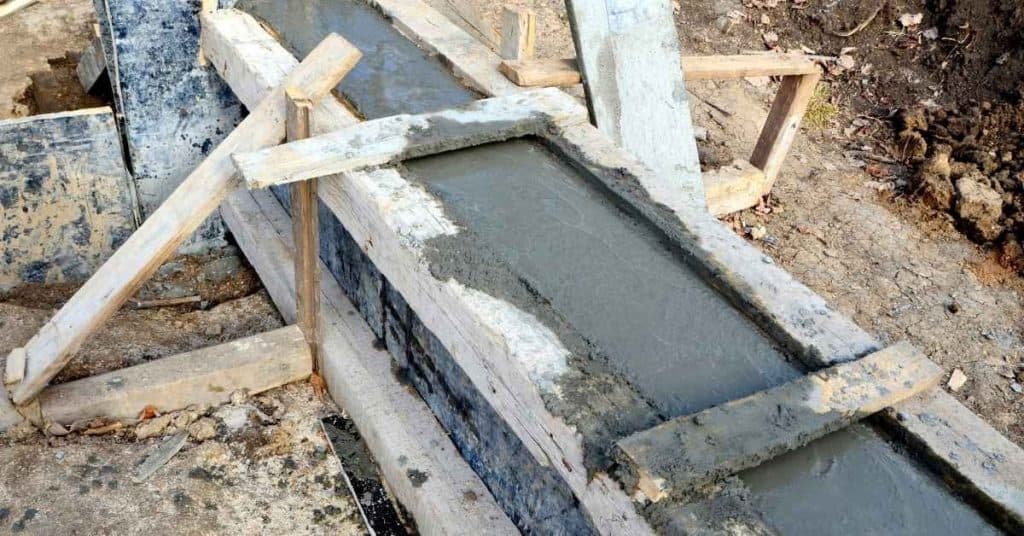
Introduction Bracing concrete forms with well-planned 2x lumber patterns prevents bowing and keeps the pour straight. The guide walks through practical bracing patterns, proper lumber spacing, and quick checks to keep forms straight and secure during a pour. Key takeaways Use 2x lumber bracing on all forms every 2–4 feet. Align bracing to load paths

How to Keep Concrete Forms from Bowing: Bracing Patterns That Work with 2x Lumber Read More »

Close-up of rough concrete slab surface with imperfections

Concrete Cold Joint Repair: How to Prep and Bond a “next Day” Pour Line

Introduction Learn how to prep and bond a next-day concrete pour to repair a cold joint. This guide walks through practical surface prep, bonding methods, and timing so you can create a strong, durable joint. You’ll gain actionable, plain-language steps and tips you can apply on real job sites. Key takeaways Identify cold joints by

Concrete Cold Joint Repair: How to Prep and Bond a “next Day” Pour Line Read More »

Inside Corners on Stucco: How to Reinforce so Cracks Don’t Telegraph

Inside Corners on Stucco: How to Reinforce so Cracks Don’t Telegraph

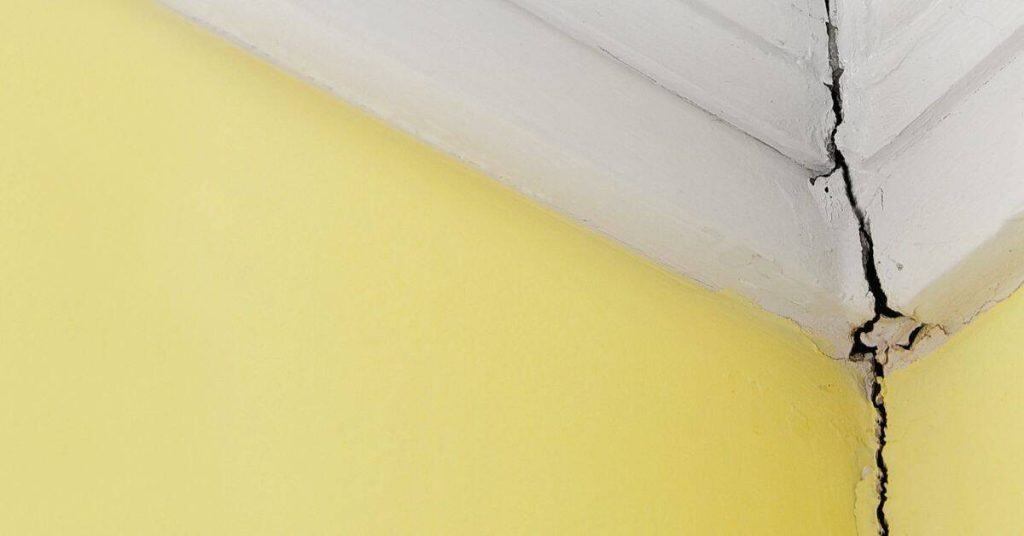
Introduction Reinforcing inside corners on stucco prevents cracks from telegraphing through the finish. The guide walks through practical steps, materials to consider, and common-sense tips you can apply on real projects. You’ll learn how to identify vulnerable corners, prepare the surface, and implement reinforcement methods that keep cracks hidden. Key takeaways Inside corners crack due

Inside Corners on Stucco: How to Reinforce so Cracks Don’t Telegraph Read More »

Reattaching Loose Plaster Without Full Demo: Washers Vs Adhesive Methods

Reattaching Loose Plaster Without Full Demo: Washers Vs Adhesive Methods

Introduction Reattaching loose plaster can be done without a full demolition by choosing between washers and adhesive methods. You’ll learn how each approach works, what signs indicate a repair is appropriate, and practical steps you can follow to secure plaster safely and effectively. The guide walks through common materials, simple checks, and general tips to

Reattaching Loose Plaster Without Full Demo: Washers Vs Adhesive Methods Read More »

Fixing “loose but Not Falling” Plaster: Stopping Movement Before You Skim

Fixing “loose but Not Falling” Plaster: Stopping Movement Before You Skim

Introduction Fixing loose but not falling plaster stops movement and prevents further damage. The guide walks through practical steps, tips, and simple checks you can perform to stabilize plaster and plan safe skim repairs. Key takeaways Tap plaster to distinguish hollow vs solid areas; note any creaking. Inspect cracks, bonding failures, and substrate movement before

Fixing “loose but Not Falling” Plaster: Stopping Movement Before You Skim Read More »

Repairing Deep Plaster Holes: Backing Methods That Won’t Telegraph Through Paint

Repairing Deep Plaster Holes: Backing Methods That Won’t Telegraph Through Paint

Introduction Use proper backing and feathering to repair deep plaster holes so they won’t telegraph through paint. You’ll learn which backing methods work best for different hole sizes, and how to apply patches in a way that stays smooth and durable. The guide walks through assessing the hole, choosing the right approach, and building up

Repairing Deep Plaster Holes: Backing Methods That Won’t Telegraph Through Paint Read More »