Search Results for: cement based filler

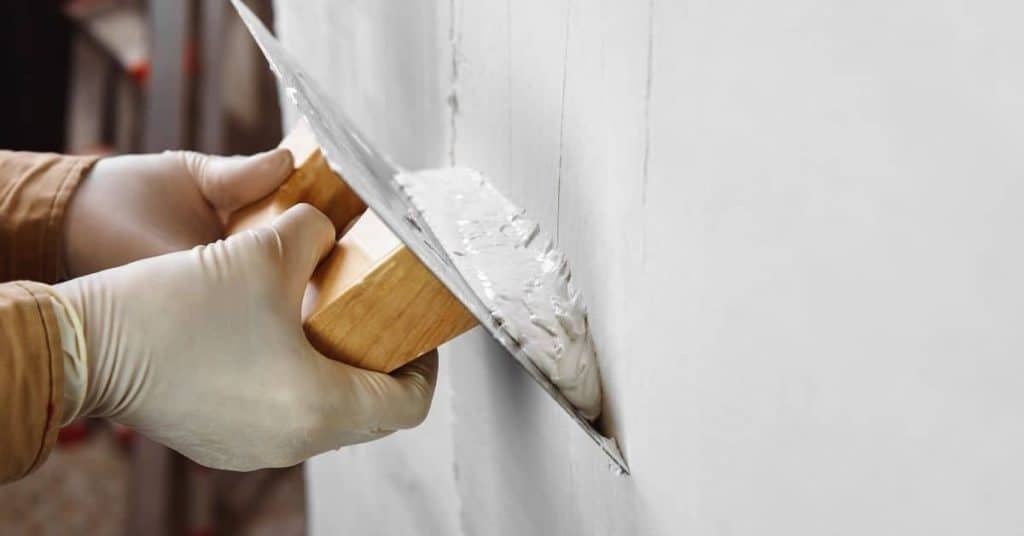
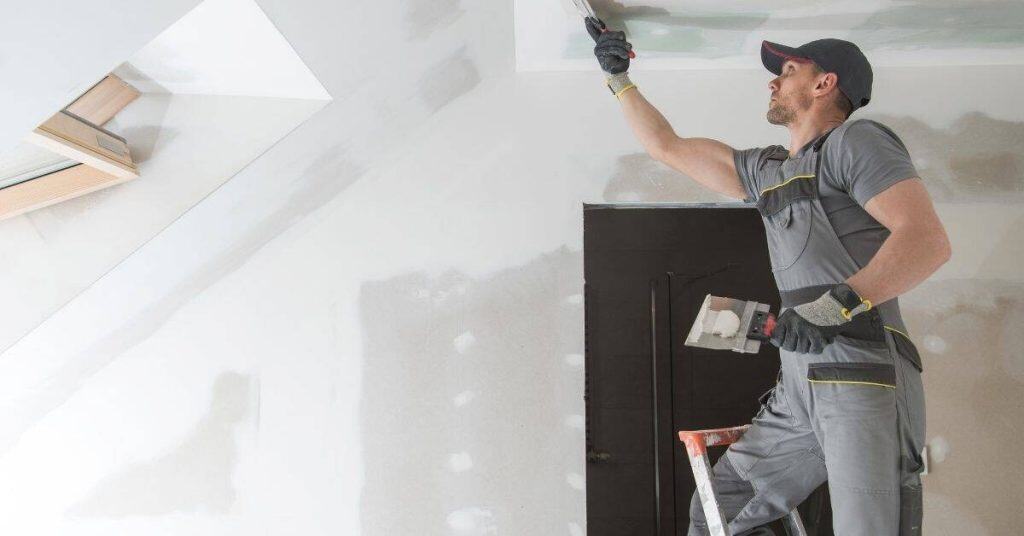
Worker applying plaster patch on ceiling using putty knife

Fixing Nail Pops in Plaster: Why They’re Different from Drywall and How to Lock Them Down

Introduction Nail pops in plaster are protruding fasteners that back out and push the plaster away from the wall surface. They’re different from drywall because plaster walls are typically thinner and thicker, with a different substrate and bond. In plain terms, you’re dealing with a plaster shell that’s moved and needs to be re-secured and […]
Fixing Nail Pops in Plaster: Why They’re Different from Drywall and How to Lock Them Down Read More »

Worker applying plaster to wall with trowel and hawk

Plaster Bonding Agent Application: Coverage Rates and “Tacky Vs Dry” Timing

Introduction Plaster bonding agent application is applying an adhesive coat to help plaster bond, focusing on how much area it covers and when it becomes tacky or dries. In practice, you spread or roll on the bonding agent following the surface you’re working with, pausing long enough for it to tack to the right feel

Plaster Bonding Agent Application: Coverage Rates and “Tacky Vs Dry” Timing Read More »

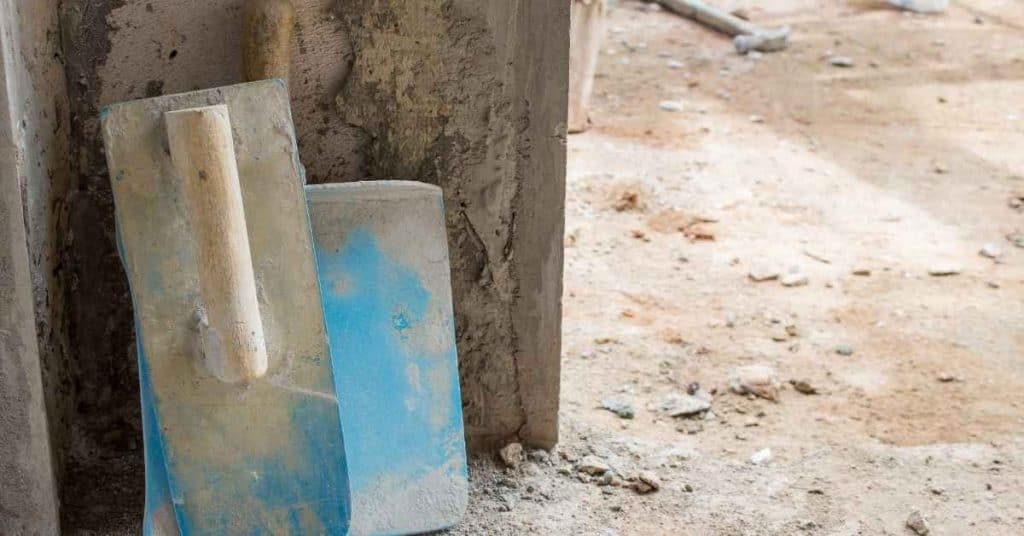
Two plaster trowels leaning against rough plastered wall

Fixing Plaster at Baseboards: Rebuilding the Bottom Edge Without Removing All Trim

Introduction This is fixing plaster at the baseboard by rebuilding the bottom edge while leaving the trim in place. It’s a hands-on repair that tightens up gaps and brittle edges along the wall line. Plan to clean, assess damage, and mix materials that suit your wall type and existing plaster. You’ll need to protect the

Fixing Plaster at Baseboards: Rebuilding the Bottom Edge Without Removing All Trim Read More »

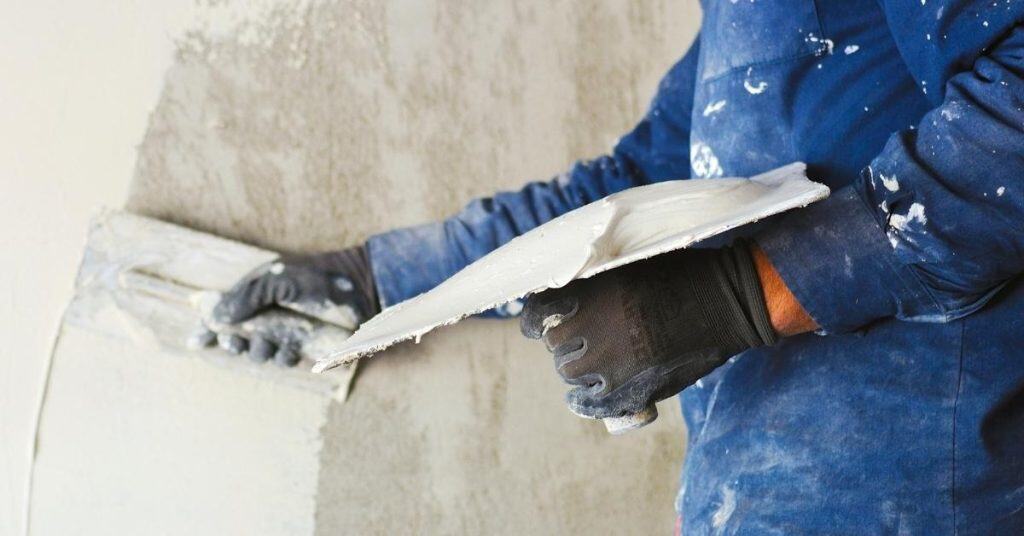
Hands in gloves applying plaster with a flat trowel

Lime Vs Gypsum Patching: Why Mismatched Materials Cause Future Failure

Introduction Mismatched patching materials can fail later due to incompatible chemistry. Lime and gypsum set and breathe differently, so using the wrong combo can lead to cracks, dusting, or damp spots. Stick to a patching mix that matches what’s already on the wall for best results. When patching, verify that the material is compatible with

Lime Vs Gypsum Patching: Why Mismatched Materials Cause Future Failure Read More »

Worker applying plaster to wall with trowel and hawk

Plaster and Vapor: Where Breathability Matters in Older Walls

Introduction Breathable plaster and finishes are materials that allow moisture to move through walls while still providing a solid, decorative surface. In practical DIY terms, that means choosing coatings that don’t seal the wall airtight, so old walls can dry out after moisture events. This matters most on older homes with lime or clay components

Plaster and Vapor: Where Breathability Matters in Older Walls Read More »

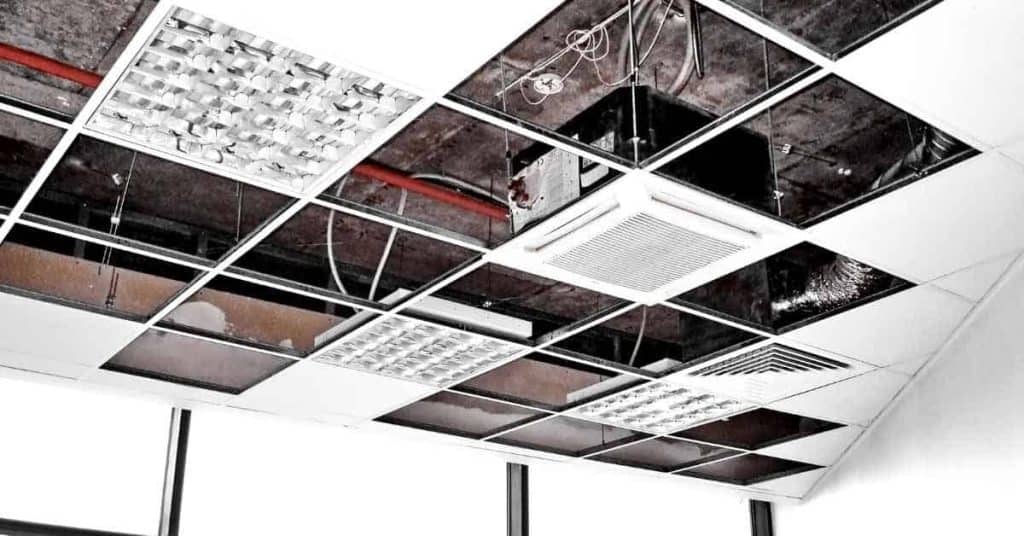
Drop ceiling grid with missing and installed tiles

Tile Tenting: Why Floors Pop and How to Prevent It During Install

Introduction Tile tenting happens when a floor under the tile lifts or pushes up, creating a tent-like shape. This is usually caused by movement in the subfloor or improper adhesive setup during install. Starting a repair requires finding the source and reworking the substrate and setting materials. Preventing tenting starts with solid prep: fix any

Tile Tenting: Why Floors Pop and How to Prevent It During Install Read More »

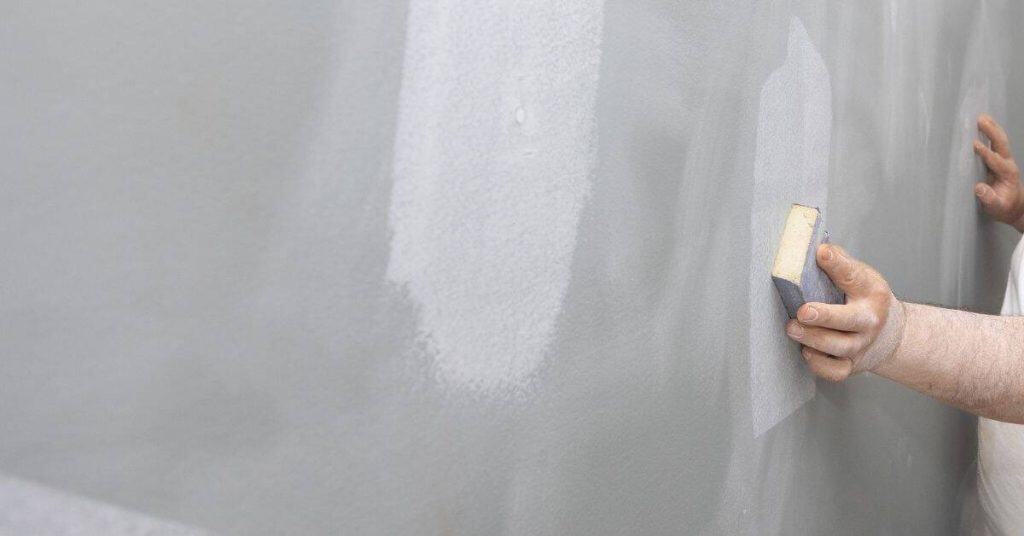
Hand sanding a plastered wall with sanding sponge

Sanding vs Polishing Plaster: Time-Consuming Steps & Duration Comparison

Introduction The time it takes to sand or polish plaster can vary greatly depending on the surface area, condition, and your chosen method. Before you start, understanding the timeline for each process will help you plan effectively. In this guide, we’ll compare the duration of sanding vs polishing plaster, breaking down each step’s time commitment

Sanding vs Polishing Plaster: Time-Consuming Steps & Duration Comparison Read More »

Hand holding grout float over tiled wall surface

Fixing Pinholes in Grout: Why They Happen and How to Repair Without Regrouting Everything

Introduction Pinhole grout gaps are tiny holes in the grout that can let moisture seep behind tiles. They happen when the grout didn’t seal properly, or when movement, wear, or improper mixing weakened it. They’re most noticeable in areas that get routine use or wetting, and they can spread if left unaddressed. You can fix

Fixing Pinholes in Grout: Why They Happen and How to Repair Without Regrouting Everything Read More »

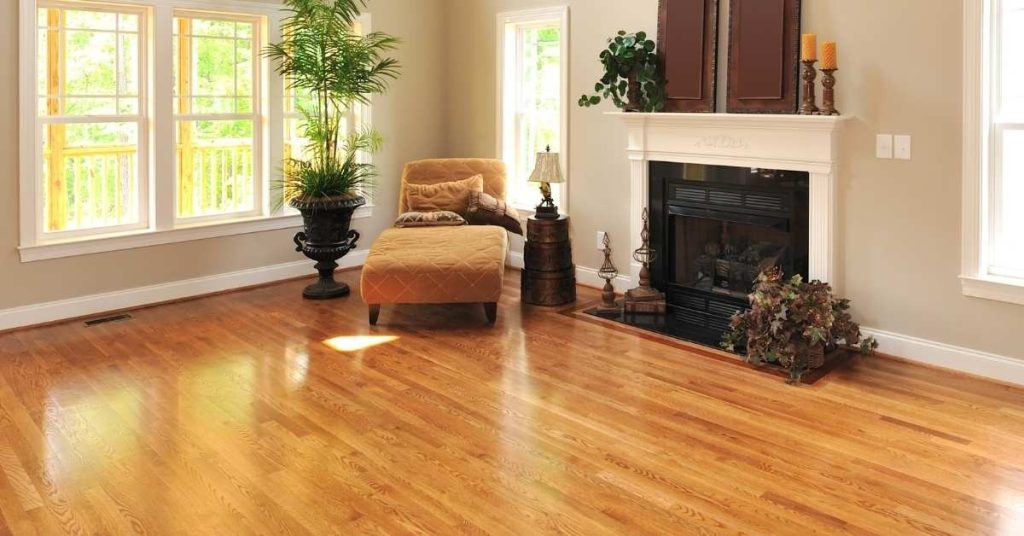
Living room with natural hardwood flooring and large windows

Transitions at Doorways: Clean Ways to Meet Hardwood/Lvp/Carpet Without Ugly Reducers

Introduction Transitions at doorways are the finished edge where hardwood, LVP, or carpet meet, creating a smooth, safe path. They hide uneven cuts and tiny gaps while guiding foot traffic. This article shows plain‑spoken, hands‑on ways to handle the join without ugly reducers. Start by inspecting the subfloor and the edge of each floor covering

Transitions at Doorways: Clean Ways to Meet Hardwood/Lvp/Carpet Without Ugly Reducers Read More »