Search Results for: cement based filler

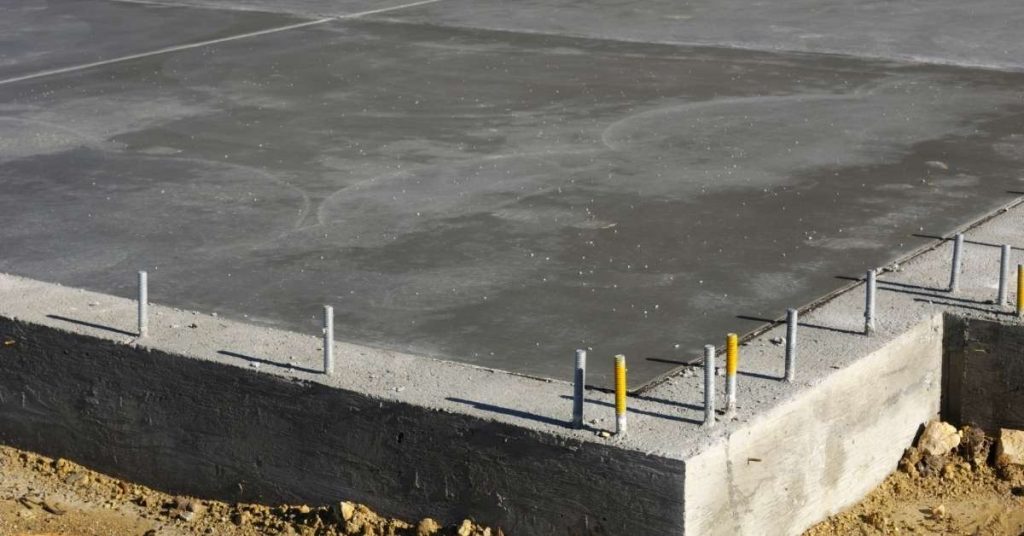
Concrete slab foundation with metal anchor bolts embedded

Preventing Cracks Around Slab Penetrations: Pipe Sleeves, Bond Breakers, and Joint Layout

Introduction Cracks around slab penetrations happen when the concrete around pipes or openings isn’t managed during pour. Key takeaways Use pipe sleeves fully encased in concrete, with proper clearance for movement. Apply bond breakers on form faces and sleeves to minimize three-sided adhesion. Plan joint layout early to align joints with penetrations and expected movement. […]
Preventing Cracks Around Slab Penetrations: Pipe Sleeves, Bond Breakers, and Joint Layout Read More »

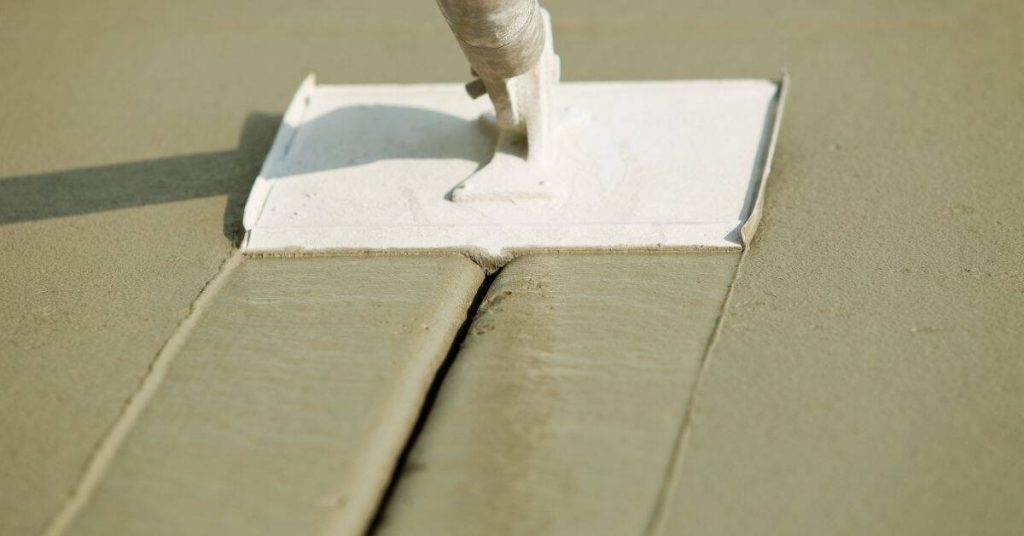
Hand using float tool on concrete control joint edge

Rebuilding Control Joint Edges After Raveling: Saw-Cut Cleanup, Primers, and Edge Forms

Introduction Rebuilding control joint edges after raveling is the process of renewing the exposed edge of a control joint that has deteriorated. This DIY repair focuses on cleaning, restoring shape, and preparing the edge for bonding or resurfacing. Keep the goal to create a clean, straight edge ready for primers and forms. You’ll need basic

Rebuilding Control Joint Edges After Raveling: Saw-Cut Cleanup, Primers, and Edge Forms Read More »

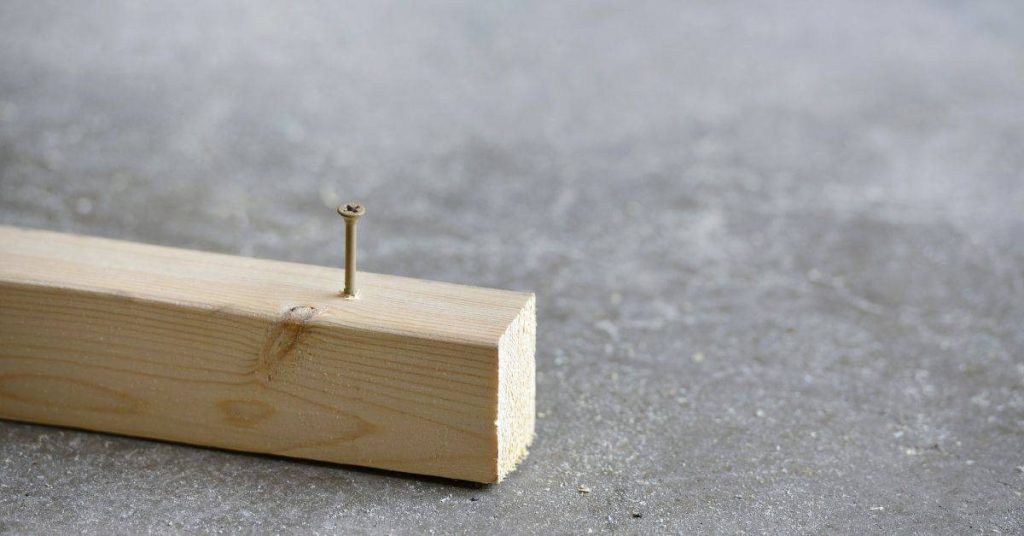
Wood block with nail inserted standing on concrete surface

Concrete Countertops With Inlays: Brass, Glass, Wood—Bonding and Differential Movement

Introduction Concrete countertops with inlays are countertops that embed brass, glass, or wood accents into the concrete surface. This article gives a practical, hands-on look at how to plan, mix, and place those inlays so they stay put. The goal is a durable, smooth surface you can live with, not a museum piece. We cover

Concrete Countertops With Inlays: Brass, Glass, Wood—Bonding and Differential Movement Read More »

Wooden form with rebar grid on concrete and dirt surface

Board-Formed Patch Blending: How to Hide Repairs Inside an ‘Intentional’ Texture

Introduction Board-formed patch blending is a technique for concealing repairs by matching a surface texture to look like the surrounding board pattern. It works by shaping filler and using tools to mimic the grain and lines of the wood. This keeps repairs discreet in an intentionally textured wall or paneling. In practice, you start by

Board-Formed Patch Blending: How to Hide Repairs Inside an ‘Intentional’ Texture Read More »

Precast concrete wall panels stacked outside a building

Concrete Micro-Inlays: Engraving, Filling With Colored Grout, and Sealing So It Stays Clean

Introduction Concrete micro-inlays are small engravings in concrete that are filled with colored grout and sealed to stay clean. The basic idea is to create a crisp line or pattern, then repair and protect it with color and a sealant. With the right hand tools and a steady hand, you can add simple lines or

Concrete Micro-Inlays: Engraving, Filling With Colored Grout, and Sealing So It Stays Clean Read More »

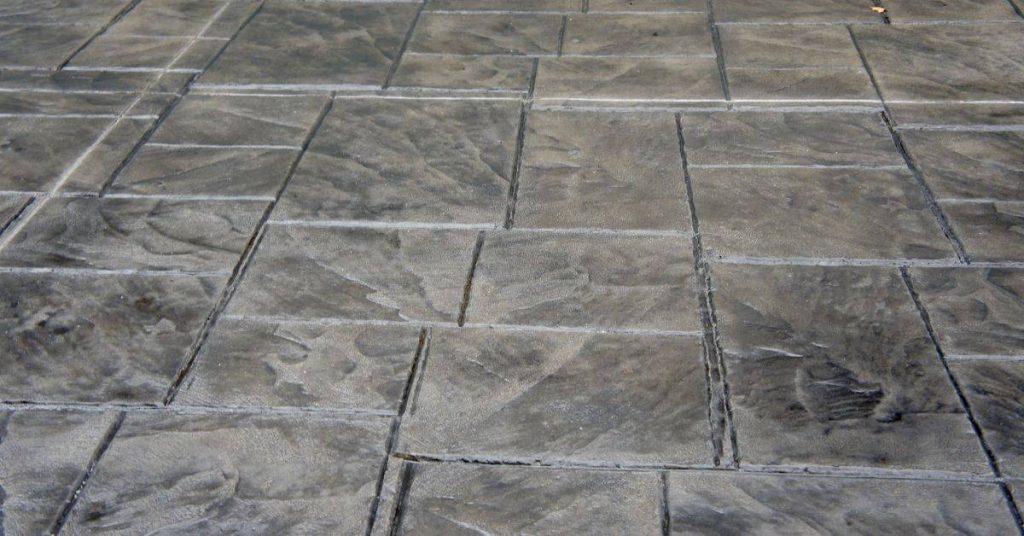
Stamped concrete patio surface with rectangular patterns

Deck Coatings Over Concrete: Urethane Traffic Coatings vs Acrylic Systems

Introduction Urethane traffic coatings and acrylic systems are two common deck coatings for concrete that you apply to protect and beautify a surface. This article gives a plain‑language look at how each one works and what to expect from applying them. Areas we support cover common concrete decks and patios in residential settings. For questions

Deck Coatings Over Concrete: Urethane Traffic Coatings vs Acrylic Systems Read More »

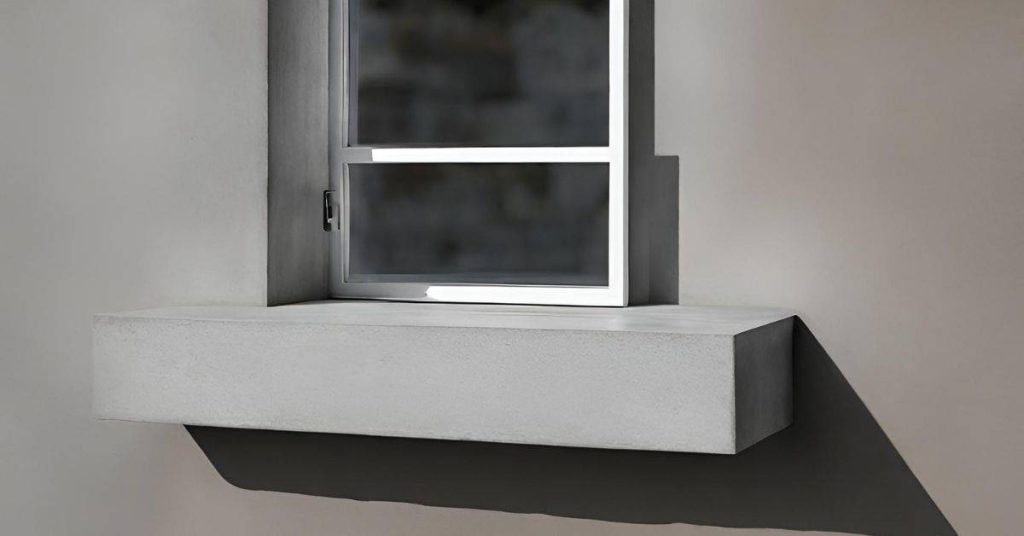
open window above wide concrete window sill casting shadow

Waterproofing Cast Concrete Fountains and Birdbaths: Coatings vs Liners and Maintenance

Introduction Waterproofing cast concrete fountains and birdbaths means choosing a method to keep water from leaking through the concrete. You can use coatings or liners, and each has its own pros for DIY setup and long-term maintenance. Check the product instructions and local rules to confirm compatibility with your concrete, climate, and any decorative finishes.

Waterproofing Cast Concrete Fountains and Birdbaths: Coatings vs Liners and Maintenance Read More »

curved stamped concrete patio next to garden bed

Cutting Control Joints in Stamped Concrete: Timing, Blade Choice, and Avoiding Ragged Edges

Introduction Cutting control joints in stamped concrete is about planning when to cut, choosing the right blade, and making clean edges to prevent cracks. Get your timing right by planning ahead before you stamp, so the concrete has the strength needed when joints are cut. Always check manufacturer instructions and local rules for any timing

Cutting Control Joints in Stamped Concrete: Timing, Blade Choice, and Avoiding Ragged Edges Read More »

gray concrete surface with visible cracks crossing joints

Routing Cracks for Sealant: Geometry Rules That Actually Improve Longevity

Introduction Routing cracks for sealant means creating clean, engineered gaps in concrete to receive sealant that can accommodate movement. This is a hands-on job where the cut shape and depth influence how well the sealant sticks and lasts. Keep the work plain and practical, focusing on a straight, uniform groove and clean edges. Understanding crack

Routing Cracks for Sealant: Geometry Rules That Actually Improve Longevity Read More »

Concrete screed tool smoothing wet concrete surface

Choosing Aggregate Size for Small Forms: Fewer Voids, Fewer Bugholes, Easier Finishing

Introduction Smaller aggregate size reduces voids and bugholes and makes finishing easier. For DIY projects, pick an aggregate that fits the form and follow the bag label and manufacturer guidance. If in doubt, check local rules or guidance from the mix supplier before deciding. Consolidation and slump are about how well the concrete fills tight

Choosing Aggregate Size for Small Forms: Fewer Voids, Fewer Bugholes, Easier Finishing Read More »