Search Results for: brown concrete

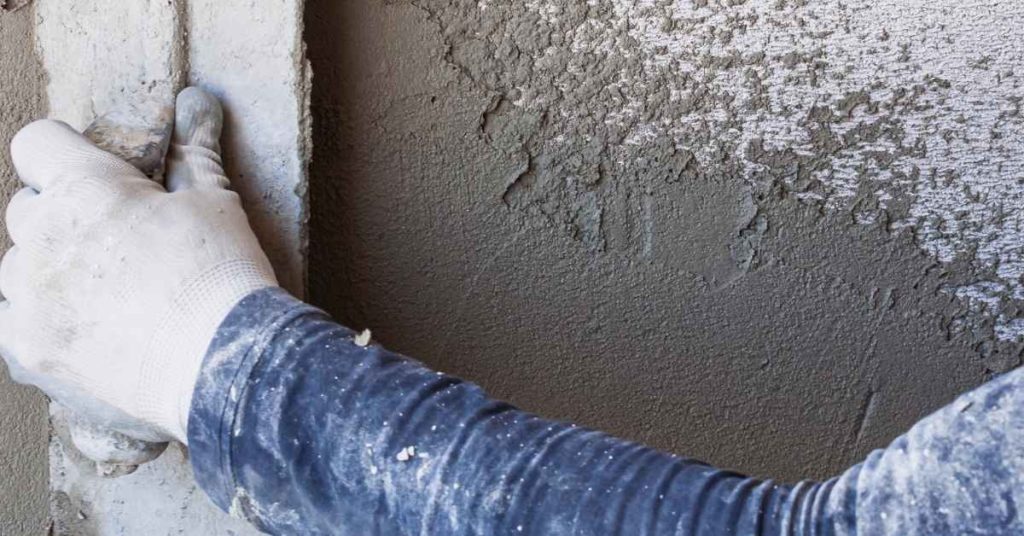
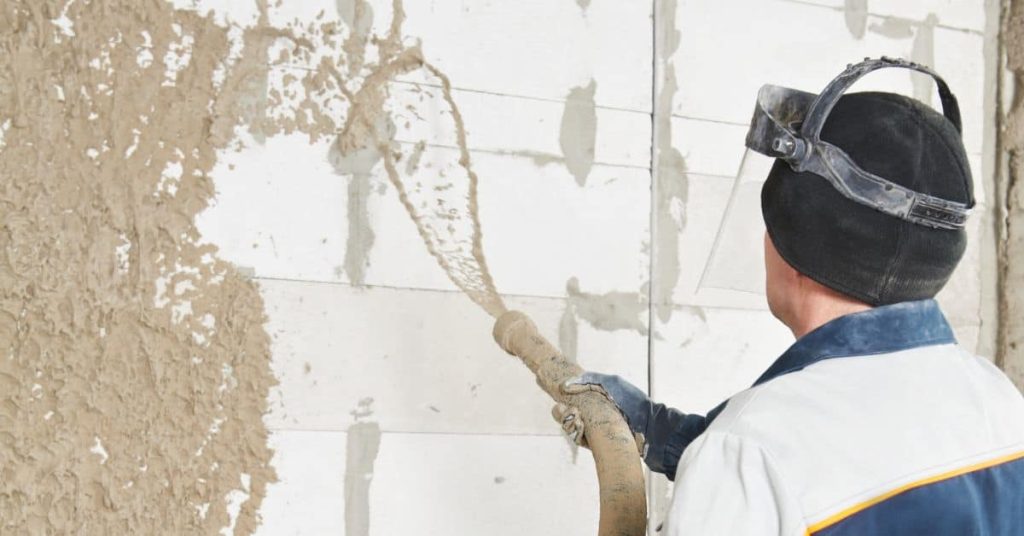
Worker spraying wet stucco onto wall surface

Plaster Base Coats on Metal Lath: Thickness Targets and Scratch Patterns That Hold

Introduction A plaster base coat on metal lath is the first plaster layer that bonds to the lath and creates a solid surface. Apply it over clean, prepared metal lath and follow the guidance on the product label or manufacturer instructions. Keep the mix at a workable consistency and follow any local rules or instructions […]

Plaster Base Coats on Metal Lath: Thickness Targets and Scratch Patterns That Hold Read More »
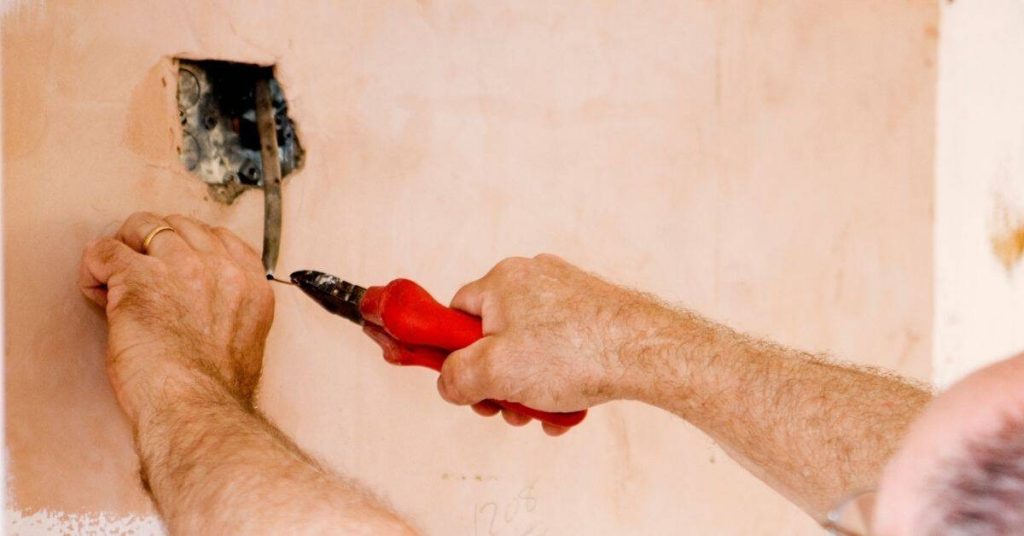
Hands using pliers to pull wire from electrical box in stucco wall

Stucco Around Electrical Meter Bases: Water Management Without Caulk Dams

Introduction Stucco around electrical meter bases is the careful detailing of stucco up to the meter box while managing water to prevent leaks. This approach keeps the enclosure dry and minimizes pathways for water intrusion. Follow manufacturer instructions and local rules to align with safe installation practices. Key methods include planning flashing and weep paths

Stucco Around Electrical Meter Bases: Water Management Without Caulk Dams Read More »

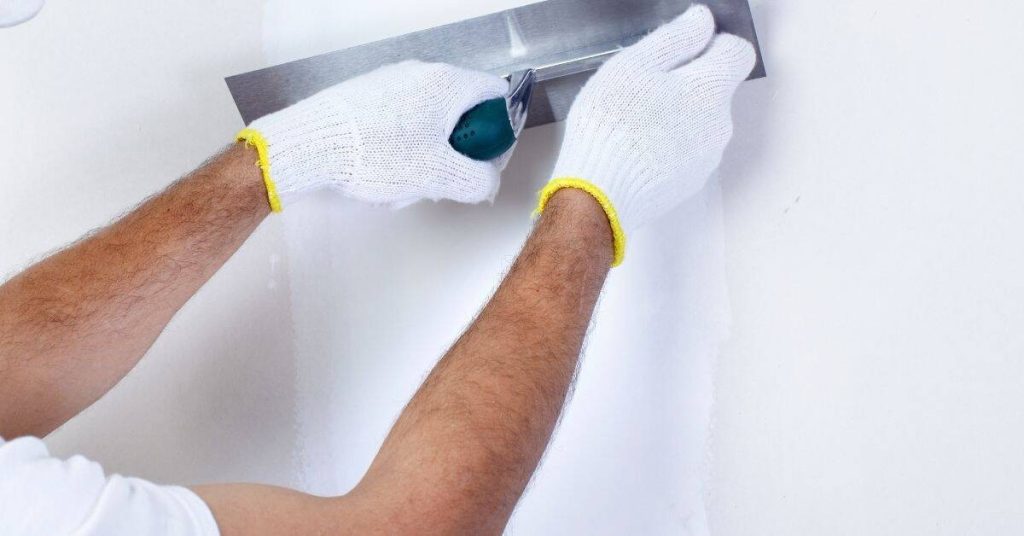
Worker smoothing plaster on a wall with a trowel

Microcement Over Old Plaster: Bond Layers, Movement Risk, and Sealer Selection

Introduction Microcement over old plaster means applying a thin cement-based coating on top of a plaster substrate with careful surface prep. Start by cleaning the surface and repairing obvious flaws to give the new layer something to grip. Roughen or abrade slightly and use an appropriate bonding primer to improve adhesion. Movement risk comes from

Microcement Over Old Plaster: Bond Layers, Movement Risk, and Sealer Selection Read More »

Hand applying textured plaster to wall with a red trowel

Clay Plaster Basics: Mixing, Application, and Crack Control That’s Realistic

Introduction Clay plaster basics are simple, old-fashioned wall coverings made from clay, sand, and water that you mix and trowel onto a surface. This article gives a practical, hands-on look at mixing, applying, and why cracks happen. You’ll learn how to handle the mix and what to watch for on site. Expect a straightforward, honest

Clay Plaster Basics: Mixing, Application, and Crack Control That’s Realistic Read More »

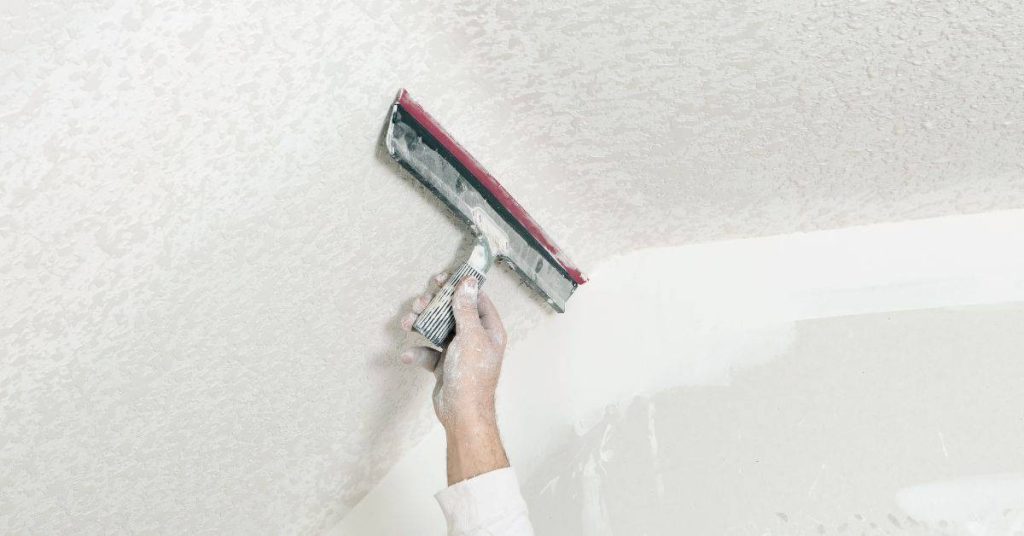
closeup of textured light gray stucco wall surface

Sprinkler Damage on Stucco: Salt, Staining, and Long-Term Protection

Introduction Sprinkler damage on stucco is the salt and water-related staining and surface effects caused by sprinkler spray. Sprinkler spray can leave salty deposits, efflorescence, and moisture issues on stucco. This article covers how to spot salt staining, what causes it, and why sealing can help protect the surface. Look for white, powdery deposits, dark

Sprinkler Damage on Stucco: Salt, Staining, and Long-Term Protection Read More »

Worker smoothing plaster on wall with trowel

Curved Wall Plaster Repairs: Feathering Without Creating Flat Spots

Introduction Feathering curved wall plaster repairs means blending new plaster into a curved surface so the seam disappears. Keep the edges thin and gradually widen the feather so you don’t leave a detectable transition. Check the work by stepping back and looking for a consistent curve and light reflections. Use a light touch and work

Curved Wall Plaster Repairs: Feathering Without Creating Flat Spots Read More »

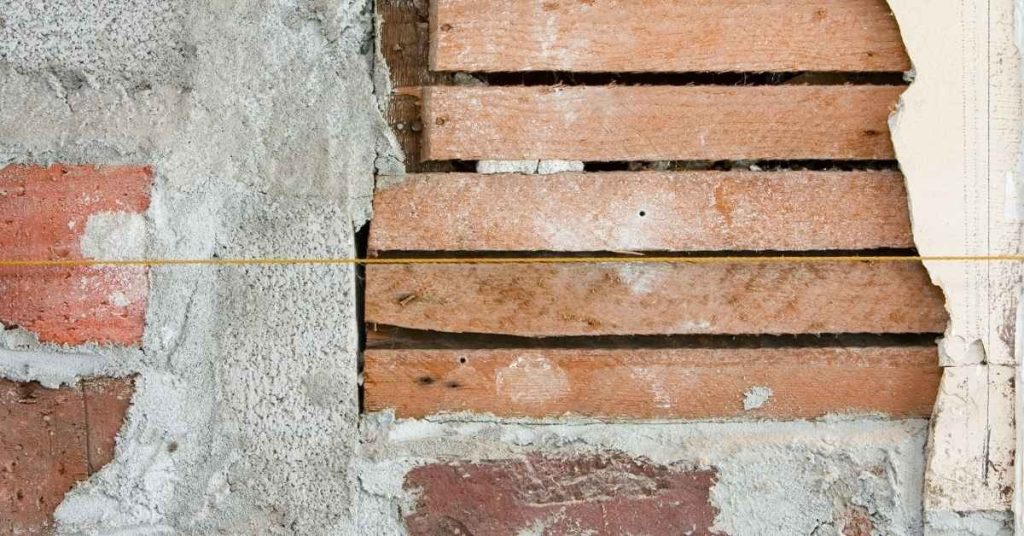
Broken plaster revealing wooden lath behind wall

Loose Lath Under Plaster: Refasten vs Replace (a Practical Decision Guide)

Introduction Refastening loose lath is usually the simplest first step to fix plaster that’s pulling away. If the lath is rotten or severely warped, replacement might be the safer option. Check for signs of damp, rot, and whether the plaster remains solid. Decide between refastening and replacing by inspecting the lath condition and the soundness

Loose Lath Under Plaster: Refasten vs Replace (a Practical Decision Guide) Read More »

Exposed wooden lath under cracked plaster wall section

Rusting Stucco Lath in a Patch: Safe Cutback Limits and Better Refastening

Introduction Rusting stucco lath in a patch means the metal lath under the plaster has corroded and loosened, reducing support for the patch. That corrosion can cause the patch to crack or fall away if not addressed. Start by pulling back loose plaster and securing any loose lath pieces, then replace or tie back missing

Rusting Stucco Lath in a Patch: Safe Cutback Limits and Better Refastening Read More »

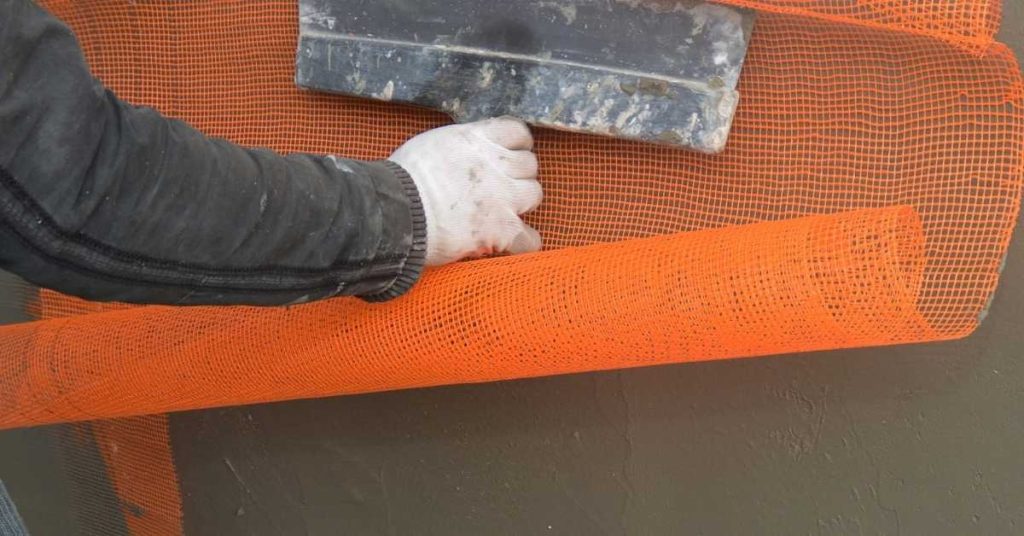
Person applying orange fiberglass mesh onto wet stucco surface

Cracks Over Framing in Stucco: Reinforcement Mesh Patterns That Actually Hold

Introduction Reinforcement mesh helps prevent cracks where stucco meets framing. Different mesh patterns distribute movement across a crack and across corners, so choose one that fits your wall and framing. Always check manufacturer and local guidance for mesh type, installation height, and any soak-in or primer requirements. For a DIY install, plan your mesh pattern

Cracks Over Framing in Stucco: Reinforcement Mesh Patterns That Actually Hold Read More »