Search Results for: brown concrete

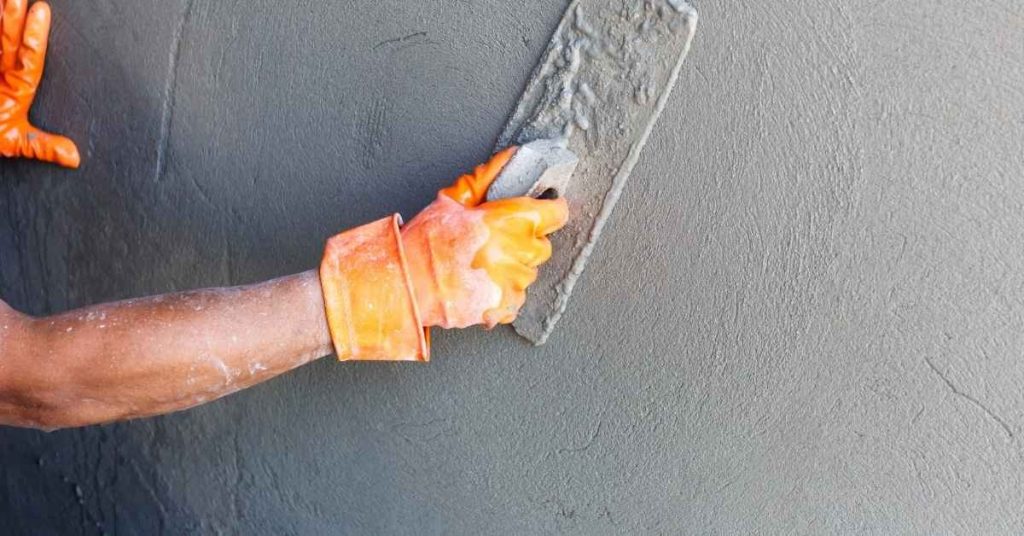
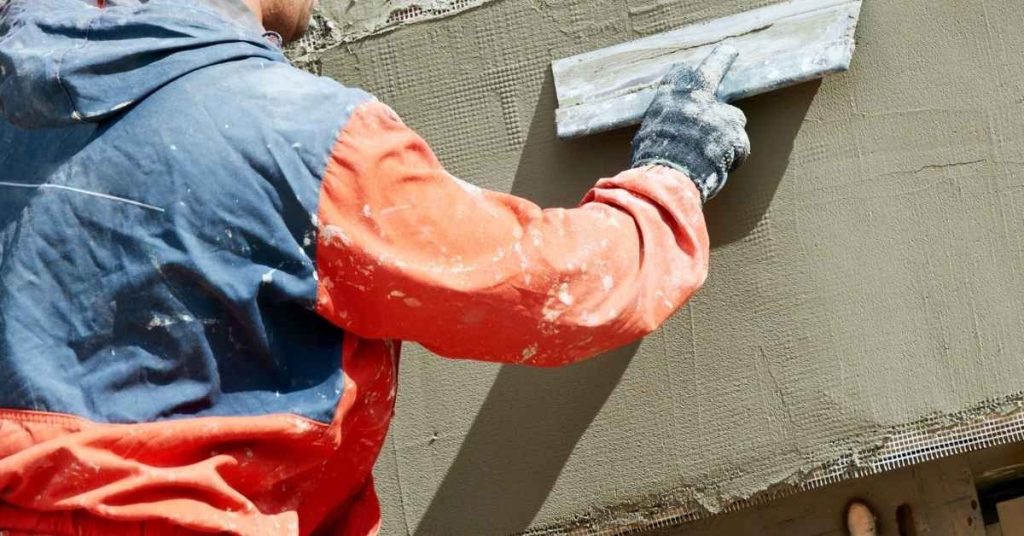
Person applying stucco to wall with trowel

Stucco Window Sills Done Right: Slope, End Dams, and Rot Prevention

Introduction This is about making stucco window sills that shed water properly and resist rot. You’ll focus on the right slope, install end dams, and plan for long-lasting rot prevention. Tackle it like a practical DIY project with common tools and careful flashing. Choose materials and details that stand up to moisture, and verify with […]

Stucco Window Sills Done Right: Slope, End Dams, and Rot Prevention Read More »

Exterior building wall with scaffolding and stucco application in progress

Stucco Lath Fasteners That Last: Corrosion, Length, and Avoiding Loose Walls

Introduction Stucco lath fasteners are the hardware that attach exterior stucco lath to the framing and keep the wall solid. They come in several styles for different substrates, so you should pick ones that fit your lath and backing material. Check the label or manufacturer guidance to ensure corrosion resistance and proper compatibility with your

Stucco Lath Fasteners That Last: Corrosion, Length, and Avoiding Loose Walls Read More »

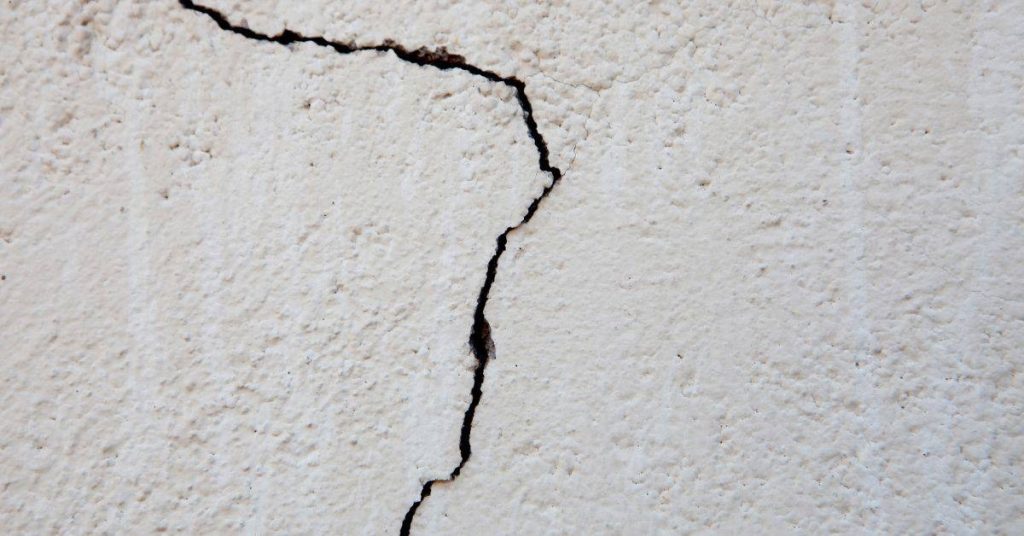
Closeup of stucco surface with a visible crack

Curing Stucco Patches in Heat and Wind: Mist Schedules and Weak-Finish Prevention

Introduction Curings stucco patches in heat and wind means maintaining a light, frequent mist to keep the surface from drying too fast and cracking. Misting is usually done on a schedule you adjust to the day, shielding the patch from direct sun when needed. Always monitor the patch for dryness, and check product and local

Curing Stucco Patches in Heat and Wind: Mist Schedules and Weak-Finish Prevention Read More »

Man in blue overalls painting a plain interior wall

Painting Over Paint That Never Fully Cured: Why It Wrinkles and How to Reset the Surface

Introduction Wrinkling happens when a paint layer hasn’t fully cured, so a new coat can’t lay flat. That soft film traps solvents and moisture, causing bubbles and wrinkles as you apply fresh paint. Work with the surface you have, not against it, and you’ll improve the look. To reset the surface, start by cleaning and

Painting Over Paint That Never Fully Cured: Why It Wrinkles and How to Reset the Surface Read More »

Decorative plaster corbels on a yellow wall

Plaster Stains That Bleed Through Paint: Shellac vs Waterborne Sealers and Drying Rules

Introduction Shellac and waterborne sealers can stop plaster stains from bleeding through paint. They work by sealing the porous plaster so pigment and moisture don’t migrate into the top coat. Choose the right option by checking product guidance and local rules. Surface prep matters: clean and dry the plaster, repair any cracks, and wipe away

Plaster Stains That Bleed Through Paint: Shellac vs Waterborne Sealers and Drying Rules Read More »

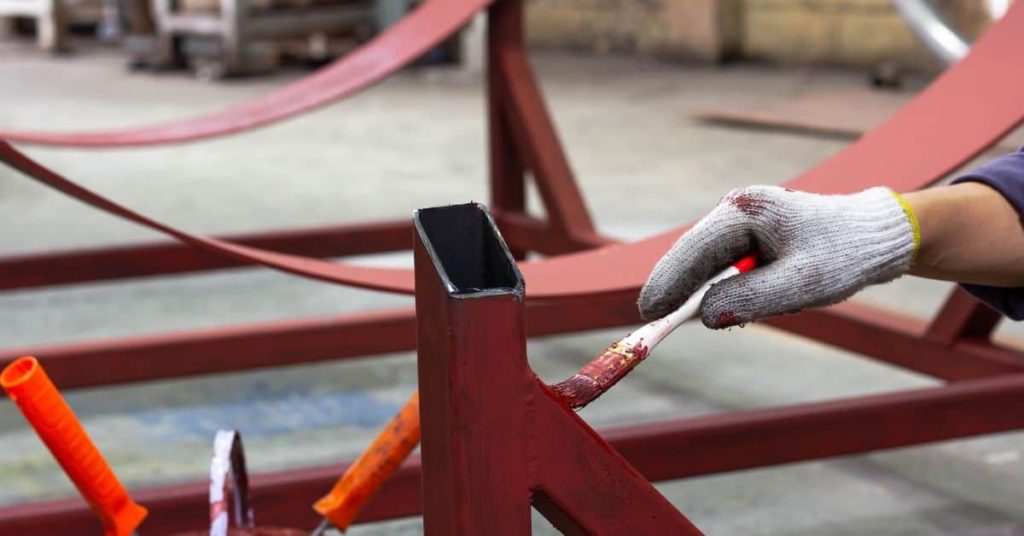
Gloved hand painting metal structure with red paintbrush

Plaster Delamination After Painting: Diagnosing Bad Primer vs Moisture vs Salt

Introduction Plaster delamination after painting is when the painted surface loses adhesion and the plaster layer peels or flakes away from the wall. It often points to issues with the primer, the presence of moisture, or salt-related damage behind the paint. Look for peeling edges, bubbling, or a chalky feel as you inspect the area.

Plaster Delamination After Painting: Diagnosing Bad Primer vs Moisture vs Salt Read More »

Close-up of light gray rough stucco texture

Stucco Texture Matching on Large Patches: How to Avoid ‘Panel’ Look in Sunlight

Introduction Texture matching on large stucco patches is about blending new material with the existing surface so it doesn’t read as separate panels when sunlight hits it. Work in manageable areas, keep the texture consistent, and feather the edges so the changeover isn’t obvious. If you see a mismatch, adjust trowel pressure, use a compatible

Stucco Texture Matching on Large Patches: How to Avoid ‘Panel’ Look in Sunlight Read More »

Residential exterior wall with stucco finish and windows

Mounting Hose Reels on Stucco: Blocking, Fasteners, and Sealing Without Crushing the Finish

Introduction Mounting hose reels on stucco requires careful blocking, fasteners, and sealing to protect the finish. This article walks you through practical steps that respect the surface and the underlying structure. You’ll learn how to prep, choose safe fasteners, and avoid crushing the texture. Understanding stucco composition and the wall behind it helps you pick

Mounting Hose Reels on Stucco: Blocking, Fasteners, and Sealing Without Crushing the Finish Read More »

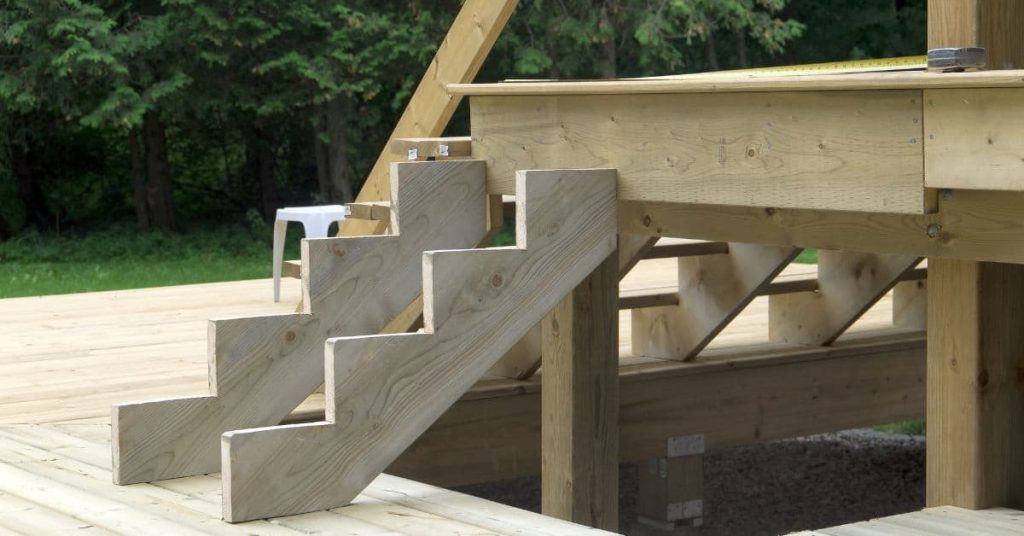
Wooden stair stringers attached to deck frame outdoors

Stucco Around Deck Ledger Boards: Waterproofing Details That Don’t Rely on Caulk

Introduction Stucco around a deck ledger boards is a method to seal and protect the joint where the deck meets the house. It relies on proper transitions and flashing rather than relying on caulk as the main waterproofing tool. The goal is to keep water from getting behind the stucco and into the wall cavity.

Stucco Around Deck Ledger Boards: Waterproofing Details That Don’t Rely on Caulk Read More »

Hand wearing orange gloves smoothing gray stucco with trowel

Stucco Expansion Joints at Additions: Detailing Differential Movement Without Water Traps

Introduction Expansion joints in stucco at additions accommodate differential movement between the new addition and the existing structure while avoiding water traps. Plan for joints at the connection and detail how the joint will be filled and flashed without creating water traps. This article keeps the language plain and focuses on practical steps you can

Stucco Expansion Joints at Additions: Detailing Differential Movement Without Water Traps Read More »