Search Results for: brick without cleaning mortar

Worker smoothing plaster on wall with trowel wearing gloves and cap

Hardwall Plaster on Masonry: Achieving a Flat Plane Without “Waves”

Introduction Hardwall plaster on masonry is applying a cement-based coating to brick or block to create a flat, level surface. It means you’re sealing the rough masonry and guiding the plaster down to a true plane. Start by checking the wall for moisture and any loose material, then read the instruction on the product label

Hardwall Plaster on Masonry: Achieving a Flat Plane Without “Waves” Read More »

Repairing Rusted Corner Bead: How to Cut Back and Rebuild Without Chasing Cracks Forever

Repairing Rusted Corner Bead: How to Cut Back and Rebuild Without Chasing Cracks Forever

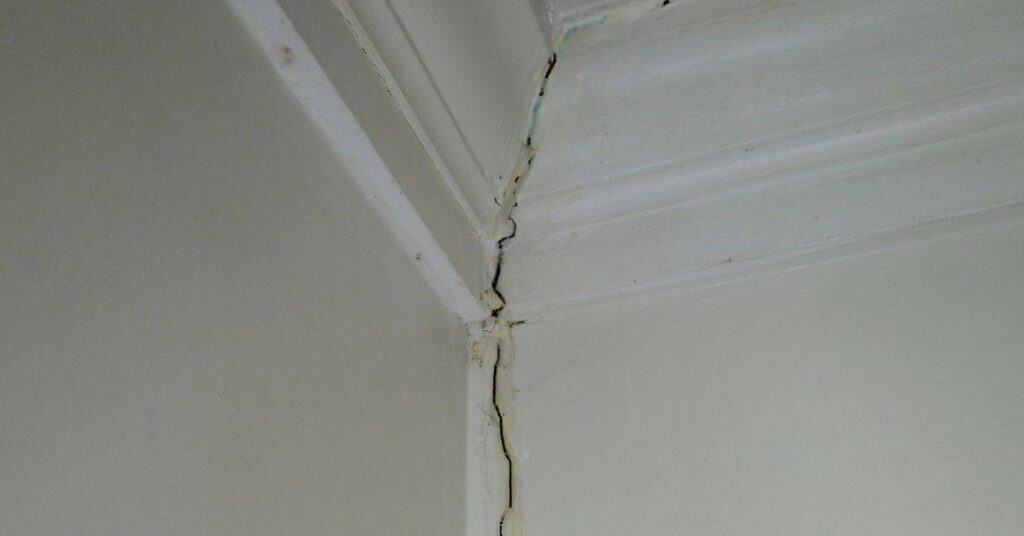
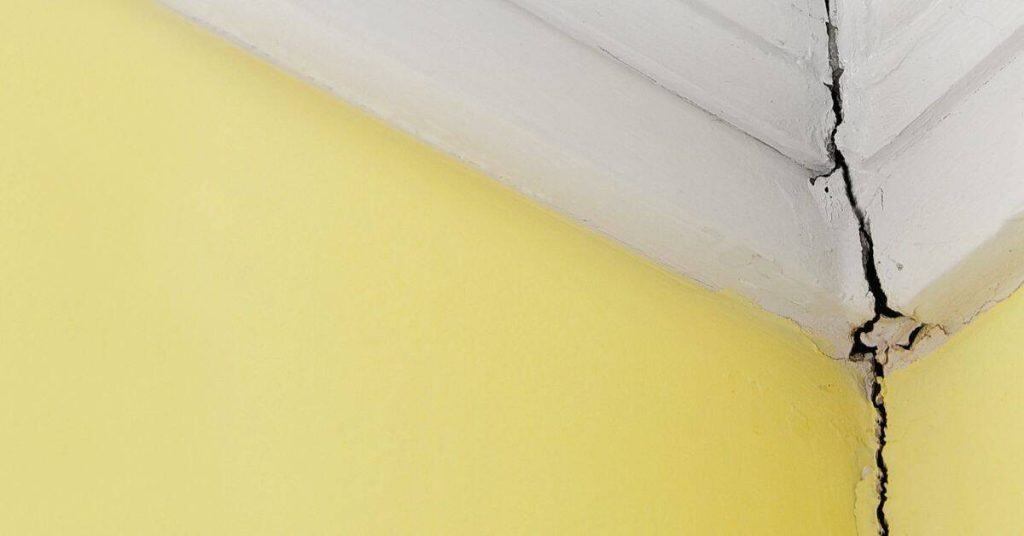
Introduction Rusted corner bead damage is when the metal trim at the wall corner has corroded and risks cracking the drywall. You’ll see rust stains, flaky edge metal, or bent corners that don’t sit square. This article walks you through a practical, hands-on repair plan. First, identify the damaged metal and assess if the drywall

Repairing Rusted Corner Bead: How to Cut Back and Rebuild Without Chasing Cracks Forever Read More »

Repairing Plaster over Brick: Bonding Agents and Scratch Coat Technique

Repairing Plaster over Brick: Bonding Agents and Scratch Coat Technique

Introduction Repairing plaster over brick requires using a compatible bonding agent and a properly applied scratch coat to create a durable, crack-free finish. You’ll learn how to choose the right bonding agent, prepare the brick surface, and mix and apply the scratch coat with the right thickness and texture. The article also shares practical tips

Repairing Plaster over Brick: Bonding Agents and Scratch Coat Technique Read More »

How to Pour a Slab That Meets an Existing Doorway Height Without a Trip Lip

How to Pour a Slab That Meets an Existing Doorway Height Without a Trip Lip

Introduction You can pour a concrete slab that aligns with an existing doorway height without creating a trip lip. The guide walks you through measuring the opening, planning form setup, and making edge and level adjustments so the slab transitions smoothly into the door. You’ll learn practical steps, common pitfalls, and quick rules of thumb

How to Pour a Slab That Meets an Existing Doorway Height Without a Trip Lip Read More »

Termite Inspection Gap on Stucco: How to Create It Without Making the Wall Ugly

Termite Inspection Gap on Stucco: How to Create It Without Making the Wall Ugly

  Introduction A termite inspection gap on stucco can be created without compromising the wall’s appearance. This article explains practical steps, materials, and rules of thumb to keep the gap functional while remaining visually unobtrusive. You’ll learn how to locate, size, and finish the gap so inspections are thorough and the exterior stays clean. Key

Termite Inspection Gap on Stucco: How to Create It Without Making the Wall Ugly Read More »

Reattaching Loose Plaster Without Full Demo: Washers Vs Adhesive Methods

Reattaching Loose Plaster Without Full Demo: Washers Vs Adhesive Methods

Introduction Reattaching loose plaster can be done without a full demolition by choosing between washers and adhesive methods. You’ll learn how each approach works, what signs indicate a repair is appropriate, and practical steps you can follow to secure plaster safely and effectively. The guide walks through common materials, simple checks, and general tips to

Reattaching Loose Plaster Without Full Demo: Washers Vs Adhesive Methods Read More »

Why Mortar Isn’t Always the Right Pick for Thinset Replacement in Your Tile Projects

Why Mortar Isn’t Always the Right Pick for Thinset Replacement in Your Tile Projects

Introduction Mortar isn’t always the right choice for replacing thinset in tile projects. This article explains when mortar can work, when it can’t, and how to choose the best substrate and technique for a durable tile installation. You’ll learn practical guidance on evaluating your substrate, selecting appropriate materials, and applying them correctly to avoid failures.

Why Mortar Isn’t Always the Right Pick for Thinset Replacement in Your Tile Projects Read More »

Efflorescence Remediation: the Simple Cleaning Method That Most Diyers Overlook

Efflorescence Remediation: the Simple Cleaning Method That Most Diyers Overlook

Introduction Efflorescence remediation is a simple cleaning method that most DIYers overlook. This article explains why the white salt deposits appear and how a practical approach can restore masonry without harsh scrubbing. You’ll learn the basic steps, common tips, and best practices to prevent recurrence so you can tackle the problem confidently. Key takeaways Identify

Efflorescence Remediation: the Simple Cleaning Method That Most Diyers Overlook Read More »