Search Results for: brick without cleaning mortar

closeup of textured concrete surface with salt finish

Concrete Salt Finish Patching: How to Recreate the Texture Without Obvious Islands

Introduction Concrete salt finish patching is a way to match the coarse, pocked texture of an existing salt finish by embedding and removing salt or an aggregate substitute so the repair blends in. This job is hands-on: you clean and profile the old concrete, feather the repair edges, and match the mix and timing so […]

Concrete Salt Finish Patching: How to Recreate the Texture Without Obvious Islands Read More »
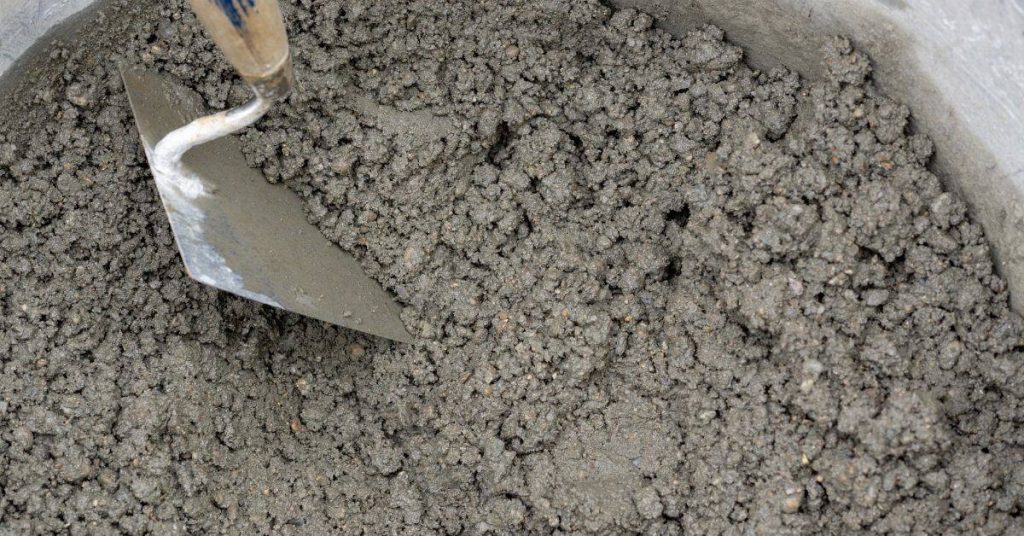
Close-up of wet mortar mix with a metal trowel in bucket

Rain Hit Your Fresh Mortar? Protection Steps, Damage Checks, and When You Need to Redo the Joint

Introduction Rain on fresh mortar can range from a minor nuisance to a ruinous washout depending on how soft the joint was and how long it was exposed, so act fast to protect and assess it. Cover undisturbed mortar with a breathable tarp or plastic supported off the joint until it firms, and check product

Rain Hit Your Fresh Mortar? Protection Steps, Damage Checks, and When You Need to Redo the Joint Read More »

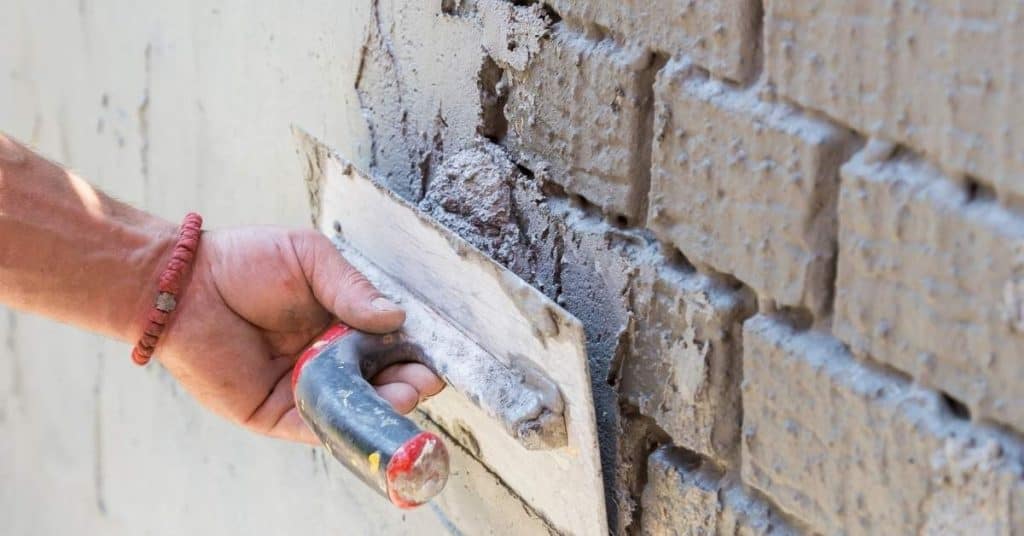
Hand applying plaster to rough brick wall with trowel

How to Patch Plaster Over Brick Arches Without ‘Shadow Lines’ Reappearing

Introduction Patching plaster over brick arches means applying new plaster to cover the brick and hide uneven shadows. You’ll aim for a flat, uniform surface that looks seamless with the surrounding wall. Work in small steps, keeping the mix workable and the surface clean as you go. Start by inspecting for loose bricks or dust,

How to Patch Plaster Over Brick Arches Without ‘Shadow Lines’ Reappearing Read More »

black painted brick wall with uneven paint coverage

How to Paint a Brick Fireplace Safely: Heat Considerations and Soot-Sealing Prep

Introduction Painting a brick fireplace safely means choosing heat‑rated paint and preparing the surface to handle heat and soot. Start by inspecting for damaged bricks and planning to seal soot before painting. This article explains preparation steps, how to seal soot, and how to pick the right finish in plain, hands‑on language. Benefits of painting

How to Paint a Brick Fireplace Safely: Heat Considerations and Soot-Sealing Prep Read More »

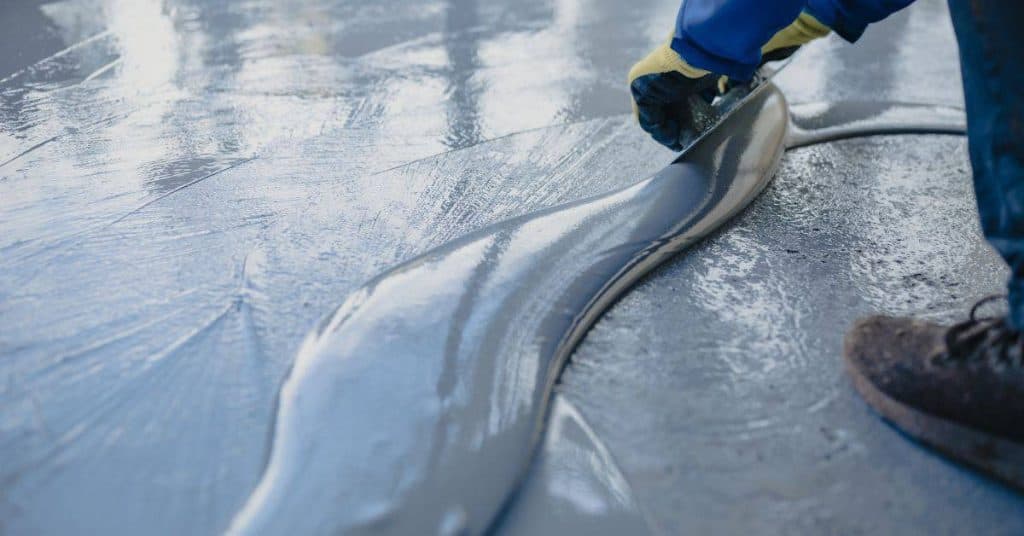
Person applying glossy epoxy coating on concrete floor

Painting Basement Walls Without Trapping Moisture: Mineral Paints vs. Acrylics vs. Epoxy

Introduction Painting basement walls without trapping moisture means choosing a coating and prep method that manages moisture rather than sealing it in. Start by diagnosing the wall condition and cleaning, repairing leaks, and planning ventilation before any paint goes on. Then determine if the wall needs moisture barriers, steps for drying, and whether to apply

Painting Basement Walls Without Trapping Moisture: Mineral Paints vs. Acrylics vs. Epoxy Read More »

Gloved hands use blue-handled pointing tool to fill brick joints.

Mortar for Old Masonry: Step-by-Step Timeline and Duration Guide

Introduction The process of repairing or repointing old masonry with the right mortar can seem daunting, especially when considering the time it takes. This step-by-step guide breaks down the timeline and duration of each stage to help you plan your project effectively. Whether you’re a seasoned DIYer or a first-timer, understanding the time commitment involved

Mortar for Old Masonry: Step-by-Step Timeline and Duration Guide Read More »