Search Results for: brick joint height

curved brick paver pathway with stone wall and landscaping

Brick Paver Edging That Won’t Spread: Restraints, Bedding, and Joint Choices

Introduction Edging that won’t spread is a border for brick paver layouts that stays in place and keeps the line looking sharp. Getting it right means using sturdy restraints, a solid bedding layer, and properly selected joints. Always check the product label and local rules for any installation limits that apply to your area. Choose […]

Brick Paver Edging That Won’t Spread: Restraints, Bedding, and Joint Choices Read More »
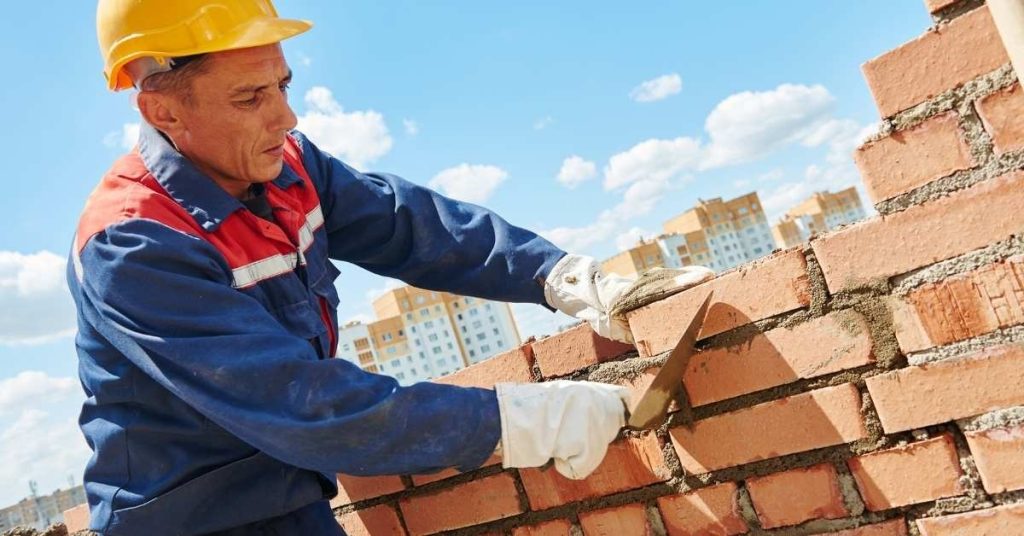
Construction worker cutting joint in brick wall outdoors

Movement Joints in Long Brick Walls: Spacing, Backer Rod, and Tooling Tips

Introduction Movement joints in long brick walls relieve stress from expansion and contraction. They are intentional gaps that let the wall flex without cracking. When you plan the joints, follow the manufacturer’s guidance and local rules, and choose backer rod and sealant accordingly. Use proper tooling by cleaning joints, applying backing, and smoothing with the

Movement Joints in Long Brick Walls: Spacing, Backer Rod, and Tooling Tips Read More »

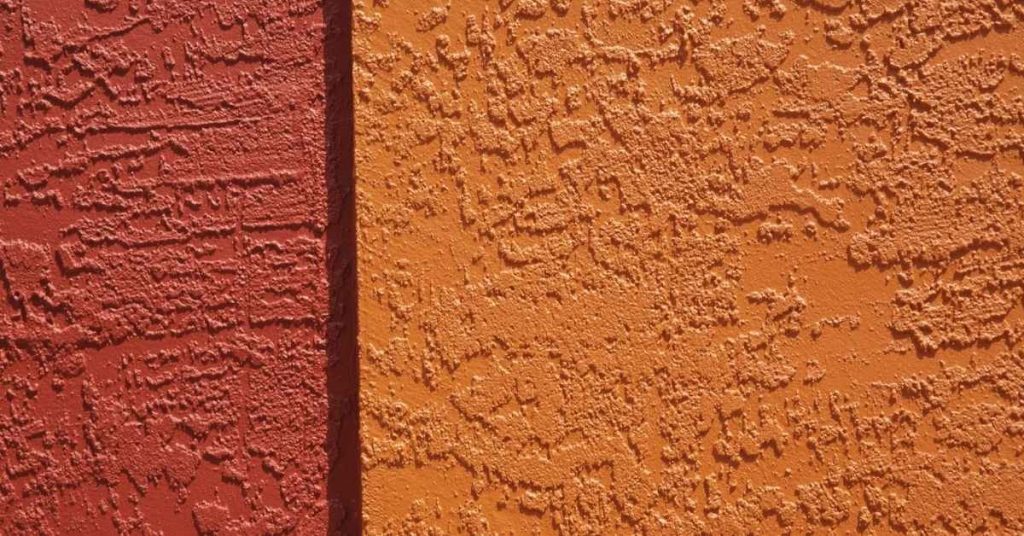
Close-up of two-tone orange and red textured stucco wall

Two-Tone Stucco Bands Without Cracks: Movement Joints and Sequencing

Introduction Two-tone stucco bands without cracks are achieved by using deliberate movement joints and proper sequencing to control where cracks form. This approach keeps the color bands crisp and the surface durable during temperature changes and settling. Avoid guessing—check labels and manufacturer guidance for allowable joint spacing and material compatibility. Identify crack types as they

Two-Tone Stucco Bands Without Cracks: Movement Joints and Sequencing Read More »

Stucco exterior walls of beige house with visible horizontal control joints

Stucco Control Joint Layout for Big Walls: Spacing That Prevents Map Cracking

Introduction Control joints are designed gaps in stucco that allow movement and prevent cracks on big walls. They give the plaster somewhere to flex instead of tearing apart as the wall expands and contracts. If you skip them on a large surface, you’re inviting map cracking and uneven textures. Plan joint placement based on wall

Stucco Control Joint Layout for Big Walls: Spacing That Prevents Map Cracking Read More »

Exposed brick wall partly covered with gray stucco render

Stucco-to-Brick Transitions: Movement Joints and Water Breaks That Don’t Crack

Introduction A movement joint at a stucco-to-brick transition is a deliberate gap that lets the siding materials expand and contract without cracking. Its job is to separate the two substrates so stresses don’t transfer and crack the finish. This article shows practical, hands-on steps for placing joints and installing water breaks so the transition stays

Stucco-to-Brick Transitions: Movement Joints and Water Breaks That Don’t Crack Read More »

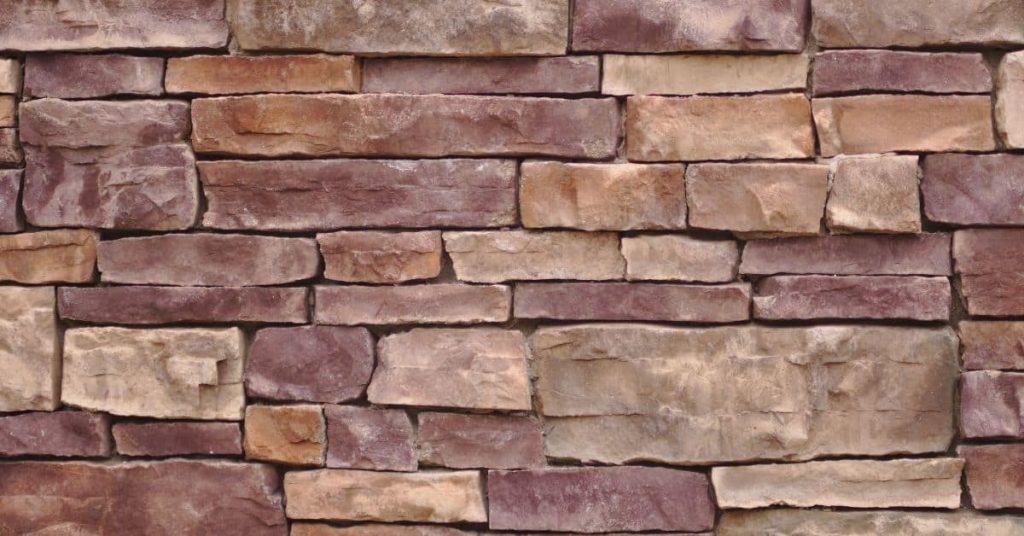
Close-up of stacked stone veneer wall with varied shapes

Brick Veneer 101: Air Gaps, Weeps, and Why “Stuck-On” Systems Fail

Introduction Brick veneer is a non-structural facing that sits on a wall with an intentional air gap to vent moisture. Understanding why air gaps and weep holes matter helps you spot issues before they show up. This setup is what keeps brick veneer performing without relying on the wall itself for support. Stuck-on brick systems

Brick Veneer 101: Air Gaps, Weeps, and Why “Stuck-On” Systems Fail Read More »

Pile of broken red bricks and rubble

Spalling Brick Diagnosis: Freeze-Thaw, Salts, and the “Stop the Water” Plan

Introduction Spalling brick diagnosis is identifying why bricks are flaking or crumbling due to freeze-thaw, salts, or moisture. This is a hands-on check to help you decide what needs repair and how to stop further damage. Look for cracking, hollow sounds, powdery surfaces, or powdery efflorescence as clues. Start by stopping water entry and planning

Spalling Brick Diagnosis: Freeze-Thaw, Salts, and the “Stop the Water” Plan Read More »

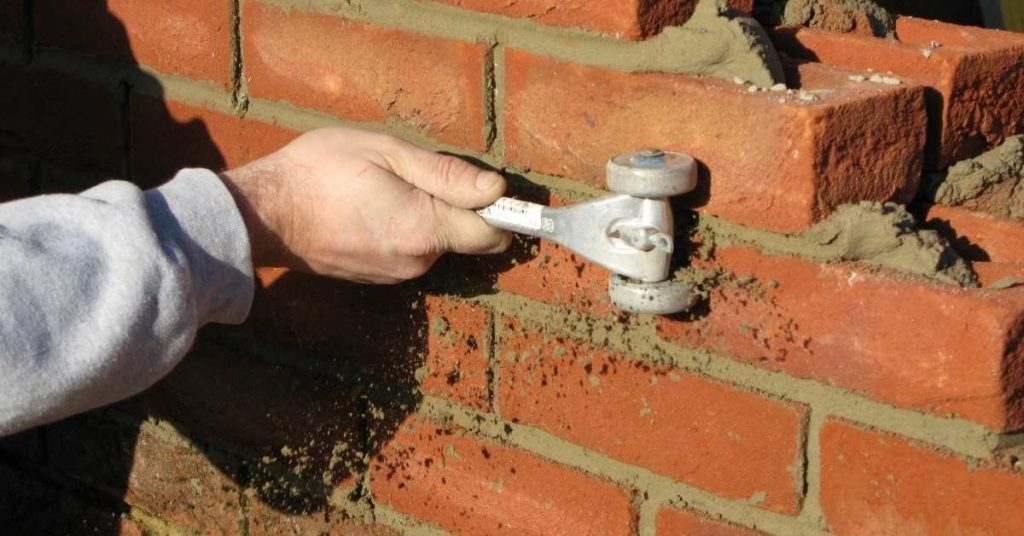
Hand using brick joint roller on fresh mortar joints

Brick Repointing Without Drool Lines: Vertical Joint Control Tricks

Introduction Brick repointing is the process of renewing the mortar between bricks to restore strength and look. This article focuses on doing it without leaving drool lines or smeared mortar, especially along vertical joints. We’ll talk through practical steps you can do on a DIY basis with common tools. Control vertical joints by tooling and

Brick Repointing Without Drool Lines: Vertical Joint Control Tricks Read More »

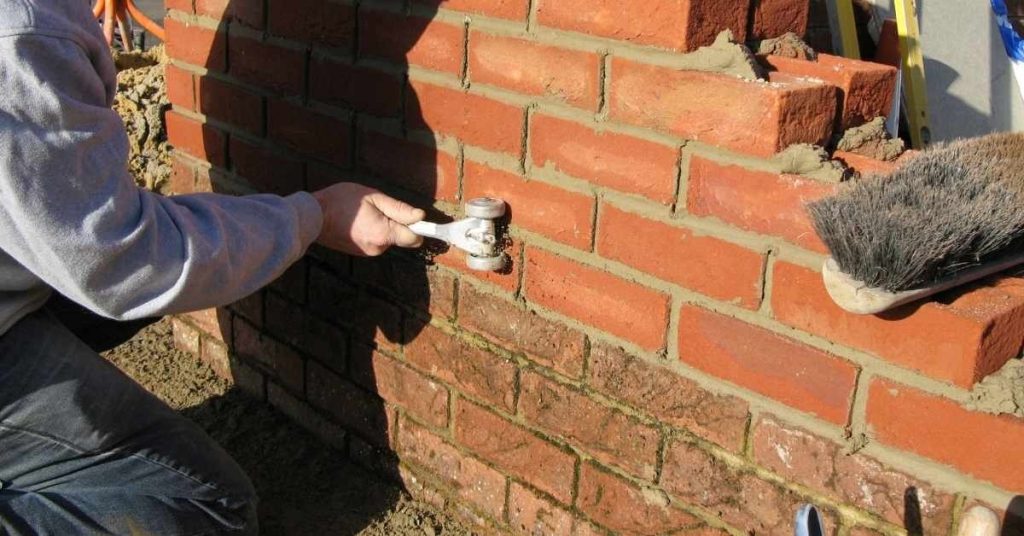
Person using joint roller on brick wall mortar joints

Brick Tuckpointing for DIY: Joint Prep, Tooling, and Curing Basics

Introduction Brick tuckpointing is the process of repairing mortar joints to restore strength and appearance. This article gives a practical, hands-on approach you can use at home. You’ll learn basic prep, tooling, and curing ideas without fancy jargon. Begin with a close inspection of the joints and determine whether you need to rake out damaged

Brick Tuckpointing for DIY: Joint Prep, Tooling, and Curing Basics Read More »

White stucco coated brick wall texture close-up

Stucco Control Joint Layout: Where They Belong and Why Random Cracks Follow Bad Layout

Introduction Control joints in stucco are deliberate gaps that guide where cracks will form, instead of letting random cracks run everywhere. They serve as a planned break for movement due to temperature, moisture, and framing shifts. Placement guidelines depend on factors like height, openings, and changes in plane; check manufacturer instructions for specifics. Use appropriate

Stucco Control Joint Layout: Where They Belong and Why Random Cracks Follow Bad Layout Read More »