Search Results for: breathable paint stucco

Stacks of orange hollow clay bricks on wooden pallets

Roman Clay Maintenance: Spot Repair, Re-Seal, and How to Avoid Shiny Patches

Introduction Roman Clay maintenance means keeping the finish patched, resealed, and matte where you want it, not shiny where you don’t — spot repairs and the right re-seal process fix most problems. This is a hands-on job: check the product label and manufacturer’s instructions for compatible patch mixes and sealers before you start. Expect to […]

Roman Clay Maintenance: Spot Repair, Re-Seal, and How to Avoid Shiny Patches Read More »

Person applying white plaster to wall with trowel and hawk

Plaster Undercoats on CMU: Step-by-Step Timeline and Duration Guide

Introduction The timeline for applying plaster undercoats on concrete masonry units (CMU) is crucial to ensure a successful, durable finish. Understanding the duration of each step helps you plan your DIY project efficiently. From surface preparation to cure timing, this guide walks you through the process, helping you allocate sufficient time for each task and

Plaster Undercoats on CMU: Step-by-Step Timeline and Duration Guide Read More »

close up of white textured plaster surface

Repairing EIFS Impact Damage: A Step-by-Step Timeline

Introduction Repairing EIFS impact damage can seem daunting, but breaking down the process into a clear timeline makes it manageable. This step-by-step guide focuses on the duration of each task, helping you plan your repair project efficiently. From assessing the damage to applying the final finish, understanding how long each stage takes ensures you stay

Repairing EIFS Impact Damage: A Step-by-Step Timeline Read More »

Concrete wall surface with multiple small holes and rough texture

Form Tie Holes on Concrete Walls: Clean Fill Techniques That Don’t Halo After Sealing

Introduction Form tie holes on concrete walls are the small openings left where form ties passed through the forms, and cleaning and filling them correctly prevents staining and “halos” after you seal the wall. For a DIYer that means choosing a compatible fill material, preparing the hole and surrounding concrete, and using application techniques that

Form Tie Holes on Concrete Walls: Clean Fill Techniques That Don’t Halo After Sealing Read More »

Precast concrete wall panels with metal roof framing

Interior Concrete Wall Efflorescence: Cleaning Without Driving Salts Deeper

Introduction Efflorescence is the chalky salt stain that forms on interior concrete walls when water carries soluble salts to the surface. It’s a surface phenomenon, not a stain from dirt, and it can reappear if moisture keeps moving through the wall. To clean it without driving salts deeper, use a light touch, rinse thoroughly, and

Interior Concrete Wall Efflorescence: Cleaning Without Driving Salts Deeper Read More »

Man patching interior wall with plaster using putty knife

Lime Plaster Compatibility Rules: Patching Old Walls Without Future Failure

Introduction Lime plaster compatibility means using a mix that can bond to existing walls without trapping moisture. It requires considering the old wall material and ensuring the new plaster can move with it. Always check the wall for moisture or stability before patching. To patch, clean and roughen the surface, then apply a lime-based plaster

Lime Plaster Compatibility Rules: Patching Old Walls Without Future Failure Read More »

Paint roller applying sealer on outdoor concrete pavers

Sealing Concrete Outdoors: Penetrating vs Film-Forming and When to Use Each

Introduction Penetrating sealers soak into the concrete to guard against moisture and stains, while film-forming sealers sit on the surface as a protective layer. That choice changes how you clean, maintain, and how it handles water. If you want a low-maintenance, breathable finish, penetrating is often better; if you want a slick surface or easier

Sealing Concrete Outdoors: Penetrating vs Film-Forming and When to Use Each Read More »

Close-up of textured concrete garage floor with white car in background

Moisture-Safe Concrete Coatings: What Works, What Doesn’t, and Why

Introduction Moisture-safe concrete coatings are sealers and finishes that slow or block water from the concrete surface. They help keep moisture from moving into basements, garages, or workshops. Choose options that fit your climate and surface, and always follow label directions. What doesn’t work for everyone can be a waste of time and money. In

Moisture-Safe Concrete Coatings: What Works, What Doesn’t, and Why Read More »

Stacked precast concrete hollow core slabs on dirt ground

Concrete Crazing vs Cracking: How to Tell the Difference on New Slabs

Introduction Crazing is a fine, spiderweb-like network of tiny surface cracks on a new slab. Cracking refers to larger, more obvious breaks that can run through the slab. They behave differently in the field and require different checks. Crazing is usually tied to rapid surface drying, finishing practices, or the way the surface was treated,

Concrete Crazing vs Cracking: How to Tell the Difference on New Slabs Read More »
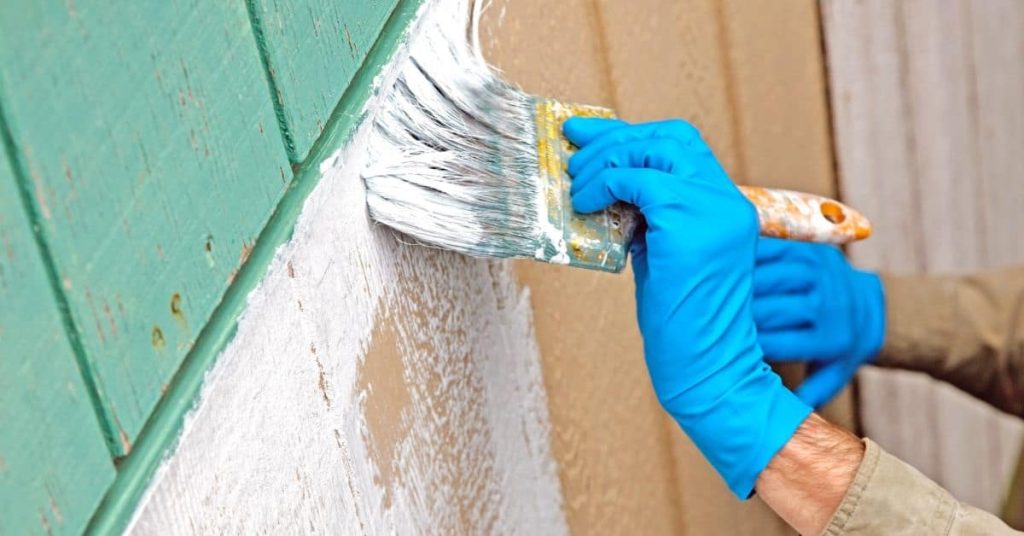
Person wearing blue gloves applying white primer with paintbrush

Primer vs Sealer vs Undercoat: What Each One Actually Does

Introduction Primer, sealer, and undercoat are coatings that prepare surfaces for paint by sealing, bonding, and smoothing. Primer helps the paint stick, sealer blocks stains and moisture, and undercoat provides a base layer that evens texture. Check product labels for the exact job they claim to do. Use them in sequence when you’re dealing with

Primer vs Sealer vs Undercoat: What Each One Actually Does Read More »