Search Results for: breathable paint stucco

Close-up of white paint peeling from wall surface

How to Prevent Peeling Paint — Why It Happens + How to Fix It (Tests Included)

Introduction Peeling paint happens when the surface film loses adhesion and fails under moisture, age, or substrate movement. In this article we’ll walk you through how to spot peeling, why it starts, and how to fix it in plain, practical terms. You’ll learn what to check on your walls and what to do next so […]

How to Prevent Peeling Paint — Why It Happens + How to Fix It (Tests Included) Read More »

Person spraying wet stucco on brick wall

How to Stucco Done Right Correctly – DIY Steps + Stop Points

Introduction Stucco is a layered exterior finish you apply in coats to protect and decorate a wall. Doing it right means preparing the surface, choosing the right materials, and following a logical sequence. This article walks you through practical steps and common stop points so you can DIY with confidence. We’ll cover surface prep, material

How to Stucco Done Right Correctly – DIY Steps + Stop Points Read More »

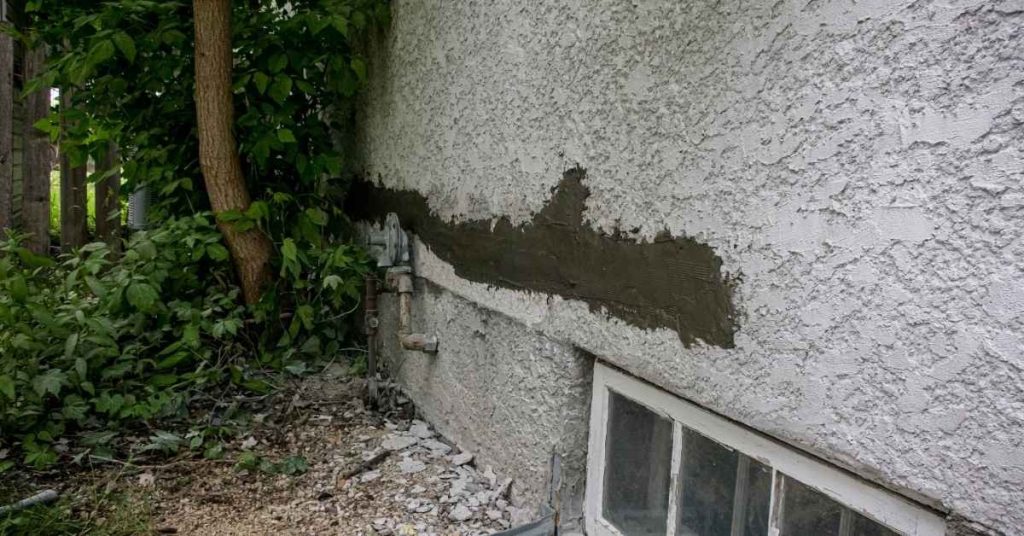
Metal hose bib mounted on textured stucco wall

How to Repair Stucco Holes Around Pipes, Lights, and Hose Bibs

Introduction Repairing stucco holes around pipes, lights, and hose bibs means patching and sealing the open gaps in the exterior surface so water can’t seep in. Identify what caused the hole and what material surrounds it, since different hole types call for different patching approaches. Choose a cement-based patch that fits the hole type and

How to Repair Stucco Holes Around Pipes, Lights, and Hose Bibs Read More »

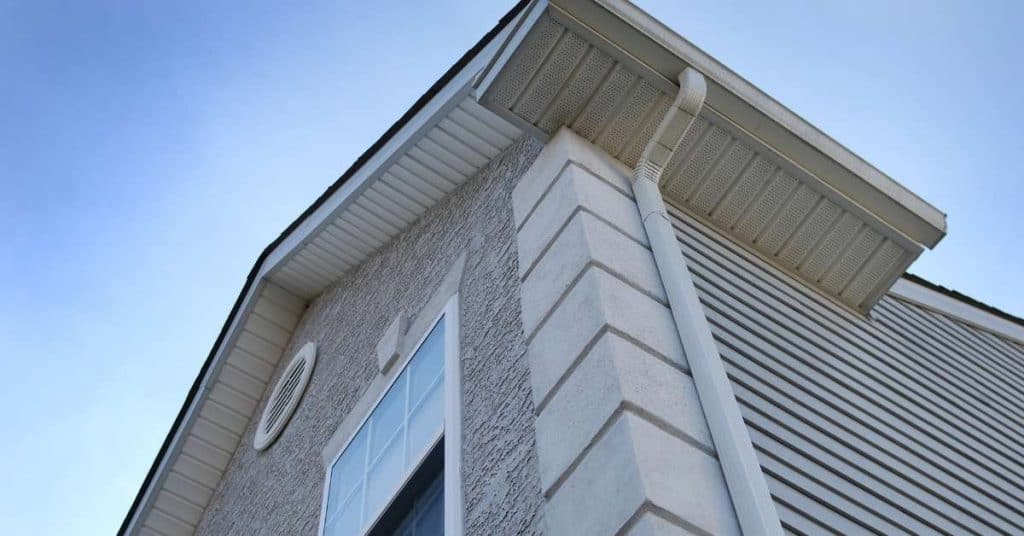
close-up of white textured stucco wall surface

How to Identify Your Stucco Type (Traditional, Acrylic, Eifs) Before Repairing

Introduction Identifying your stucco type means distinguishing traditional cement or lime-based stucco from acrylic and EIFS. Traditional stucco is usually cement-based, acrylic uses polymers, and EIFS adds an insulated finish. Check the surface feel, appearance, and any labeling to confirm the type before starting repairs. Have the right tools and materials on hand, including scrapers,

How to Identify Your Stucco Type (Traditional, Acrylic, Eifs) Before Repairing Read More »

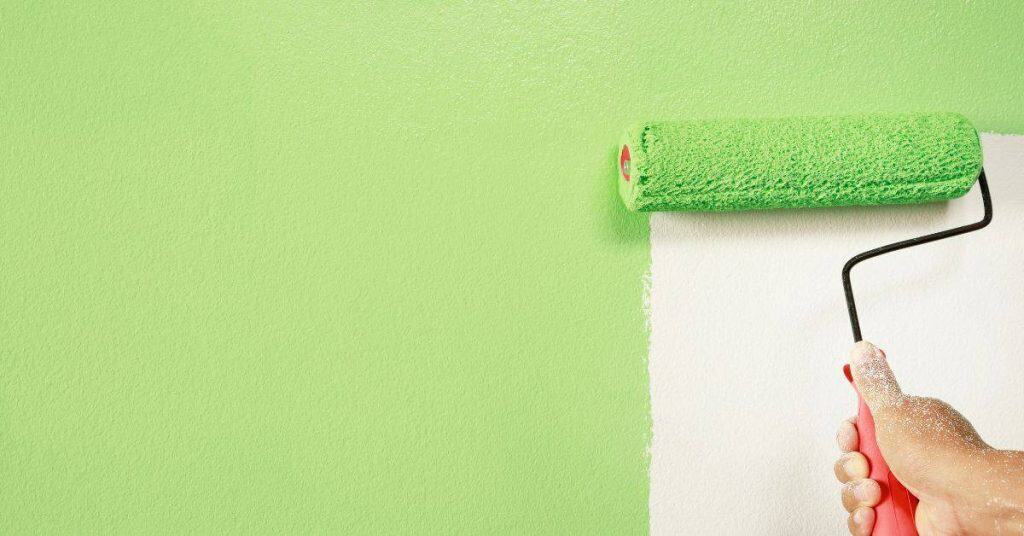
Hand using roller to apply green paint on white wall

10 Tips for a Long-Lasting Paint Job (Problems Explained: Causes, Testing, and Fixes)

Introduction A long-lasting paint job comes from thorough prep, proper materials, and careful application. Start with surface prep to remove peeling paint, clean dirt, and repair cracks, then check the surface for texture and moisture before choosing paint. Choose paint type based on the surface and environment, and read the label for recoat times and

10 Tips for a Long-Lasting Paint Job (Problems Explained: Causes, Testing, and Fixes) Read More »

Stucco Color Coat Repairs: Why They Fail and How to Avoid Weak “Skim” Patches

Stucco Color Coat Repairs: Why They Fail and How to Avoid Weak “Skim” Patches

Introduction A Stucco Color Coat Repair is fixing the top stucco layer to seal cracks and restore the surface. This kind of patch relies on proper surface prep, compatible material, and a smooth skim to blend with the surrounding wall. If the skim is weak, patches can crack, delaminate, or look obvious. You’ll need basic

Stucco Color Coat Repairs: Why They Fail and How to Avoid Weak “Skim” Patches Read More »