Search Results for: breathable paint stucco

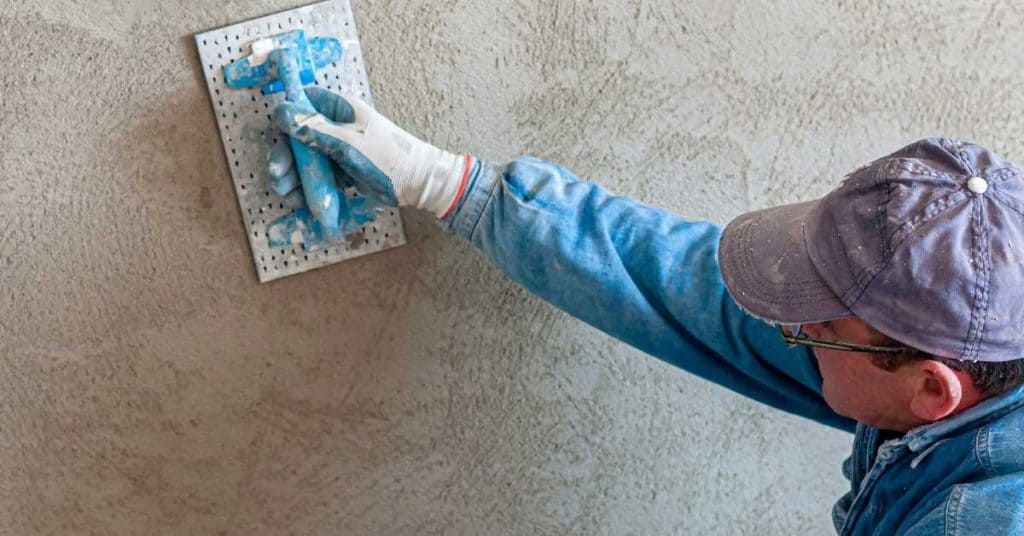
Person smoothing wet stucco on wall with trowel

Decorating Stucco Siding: Safe Ways to Hang, Mount, and Upgrade

Introduction Decorating stucco siding means safely hanging, mounting, and upgrading items on stucco surfaces. This article shares practical methods and the checks you should make before you start. Stucco is a exterior finish that requires the right fasteners and proper installation. From stucco screws and anchors to hot-melt glue and adhesive strips or hooks, we’ll […]

Decorating Stucco Siding: Safe Ways to Hang, Mount, and Upgrade Read More »

paint roller applying white paint on textured wall

Alligatoring Paint: What It Means and When You Need to Strip

Introduction Alligatoring paint is a surface condition where the film cracks into finger-like ridges that resemble alligator skin. This happens when the old coating becomes brittle or loses adhesion to the substrate. The result is a rough, uneven finish that often signals it’s time to address the finish before repainting. Deciding whether to strip depends

Alligatoring Paint: What It Means and When You Need to Strip Read More »

Close-up of textured beige stucco wall surface

Surfactant Damage on Stucco Coatings: What to Check Before You Repaint

Introduction Surfactant damage on stucco coatings happens when cleaners leave residues that affect adhesion and finish. In plain terms, you might see streaks, halos, or softness where the coating meets the wall. Before repainting, check for residue depth, film buildup, and any moisture issues that could be aggravated by detergents. Then do a simple test

Surfactant Damage on Stucco Coatings: What to Check Before You Repaint Read More »

Worker applying textured stucco with a blue trowel

Stucco Texture Options That Hide Repairs: Sand Float, Dash, and Skip Trowel

Introduction Sand float, dash, and skip trowel are stucco textures that help hide repairs. They each use different hand angles and apply techniques to create patterns that blend in with the existing wall. You’ll pick based on the surface and how rough you want the finish, and you should check product labels or manufacturer guidance

Stucco Texture Options That Hide Repairs: Sand Float, Dash, and Skip Trowel Read More »

Person cutting cinder block with angle grinder creating dust

Stucco Clearance to Soil: How Much Gap You Need and Why It Prevents Wicking

Introduction Clearance between stucco and soil is the gap that prevents moisture from wicking into the wall. Keep the stucco edge above grade and away from soil or mulch. If soil comes close, there’s a higher chance water can creep behind the finish. Check the product label and local rules to know the recommended clearance

Stucco Clearance to Soil: How Much Gap You Need and Why It Prevents Wicking Read More »

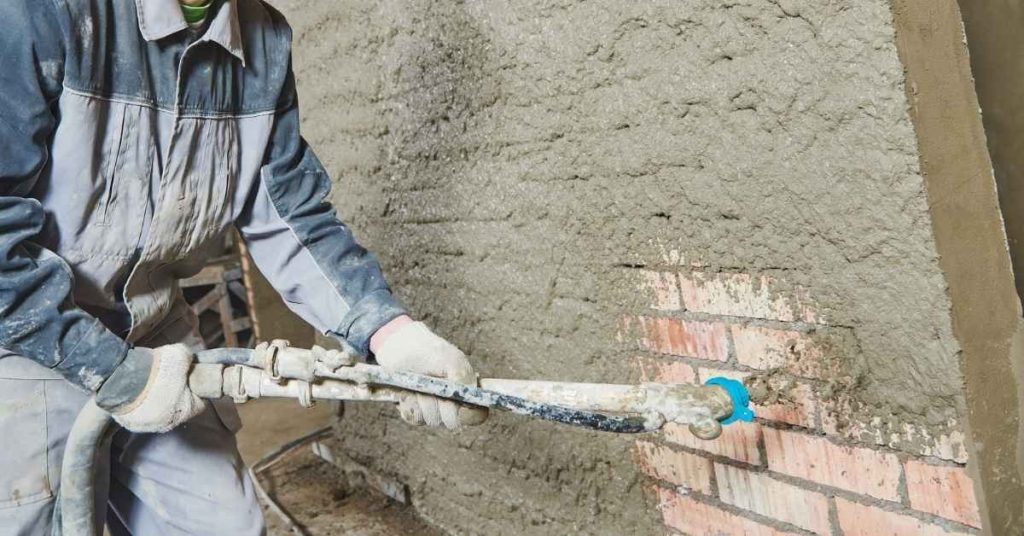
Worker wearing helmet applying stucco to exterior wall

Stucco Homes — Common Problems + Fixes

Introduction Stucco homes are exterior walls finished with a cement-based coating. Common problems include cracks, moisture intrusion, and loose patches. This article walks you through practical fixes you can tackle safely. Start by inspecting the damaged area and looking for moisture behind the wall. Use manufacturer instructions and local rules to choose patching, sealing, and

Stucco Homes — Common Problems + Fixes Read More »

Close-up of textured blue stucco wall surface

How to Maintain Stucco — DIY Steps + Stop Points

Introduction Maintaining stucco means keeping its surface intact, dry, and properly protected to prevent damage. This DIY guide walks you through simple checks, cleaning, and small repairs you can handle without special equipment. Always follow the product label and local rules when you choose cleaners or patch materials. Start with a visual check for cracks,

How to Maintain Stucco — DIY Steps + Stop Points Read More »

Worker painting exterior wall yellow using long roller

Get Ready for Exterior Painting and Finishing — Prep Checks + Fixes for Common Issues

Introduction Getting ready for exterior painting means inspecting the surface, cleaning, repairing defects, and gathering the right tools before you start. Take a measured approach by noting any peeling paint, loose siding, mold, or cracks, and plan fixes in order. Make sure surfaces are clean and dry, and that you have masking and primer ready.

Get Ready for Exterior Painting and Finishing — Prep Checks + Fixes for Common Issues Read More »