Search Results for: breathable paint stucco

Stucco wall with peeling revealing concrete underneath

Efflorescence on Stucco After Rain: What It Indicates and Gentle Removal Methods

Introduction Efflorescence is a white, powdery salt deposit that shows up on stucco after rain. It means moisture is moving through the wall and carrying soluble salts to the surface. This is common after wet weather and is not mold, though it points to moisture behind the veneer. To remove it gently, start with a […]

Efflorescence on Stucco After Rain: What It Indicates and Gentle Removal Methods Read More »

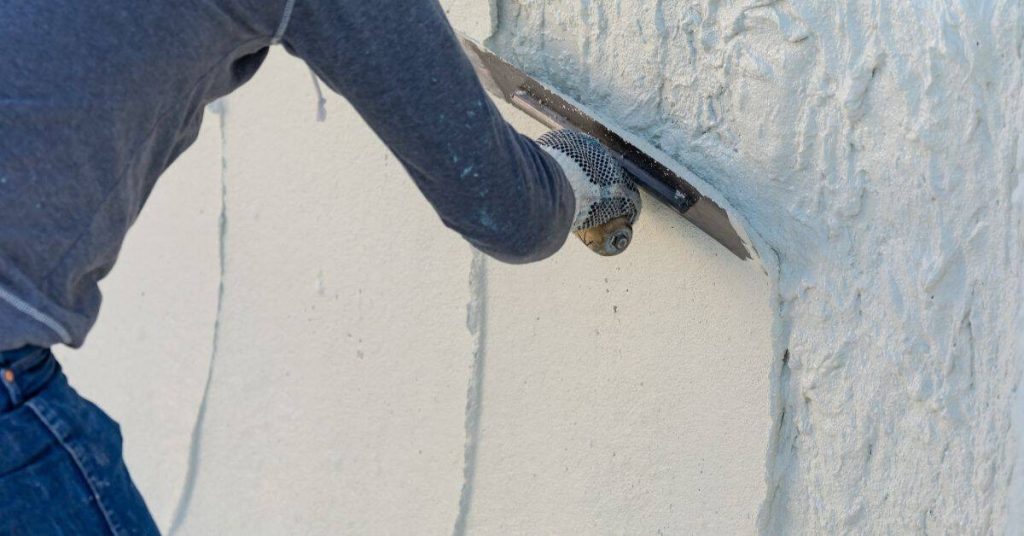
Worker spraying stucco onto concrete block wall

Stucco Drainage Mats Explained: When a ‘Rainscreen’ Layer Helps and How to Detail It

Introduction A rainscreen behind stucco is a ventilated gap that lets water drain and dry. This article explains when adding that layer helps and how to detail it for DIY projects. Check your local rules and product instructions for any specific gaps and materials. Set up a continuous, vented cavity behind the stucco using a

Stucco Drainage Mats Explained: When a ‘Rainscreen’ Layer Helps and How to Detail It Read More »

Damaged stucco wall with reinforcing mesh exposed

Repairing Stucco Around Dryer Vents: Flashing and Sealant Details That Drain

Introduction Flashing and sealant around dryer vents keep water from leaking into the wall. This intro covers how to inspect, clean, and prep the area before you patch. You’ll want to match what you use to your vent size and wall material, and follow local rules. Start by removing loose stucco and cleaning the vent

Repairing Stucco Around Dryer Vents: Flashing and Sealant Details That Drain Read More »

Hand wearing blue glove scrubbing stucco wall with green sponge

Repainting Old Stucco: Cleaning, Priming, and Coatings That Don’t Peel

Introduction Repainting old stucco means preparing the surface, then applying primer and coatings that resist peeling. It’s a hands-on process you can do in stages, not a one-shot job. Focus on cleanliness, a good seal, and choosing products labeled for stucco and exterior use. Start with a thorough cleaning, fix obvious cracks, and verify the

Repainting Old Stucco: Cleaning, Priming, and Coatings That Don’t Peel Read More »

Hand spraying paint with air gun spray nozzle

Painting EIFS vs Traditional Stucco: Coating Differences DIYers Miss

Introduction EIFS is an exterior insulation and finish system, while traditional stucco is a cement-based finish applied directly to the substrate. In practice, that means different backing, different moisture paths, and different paint compatibility. The key is to check what your wall is built with and choose coatings that match that system’s expectations. As a

Painting EIFS vs Traditional Stucco: Coating Differences DIYers Miss Read More »
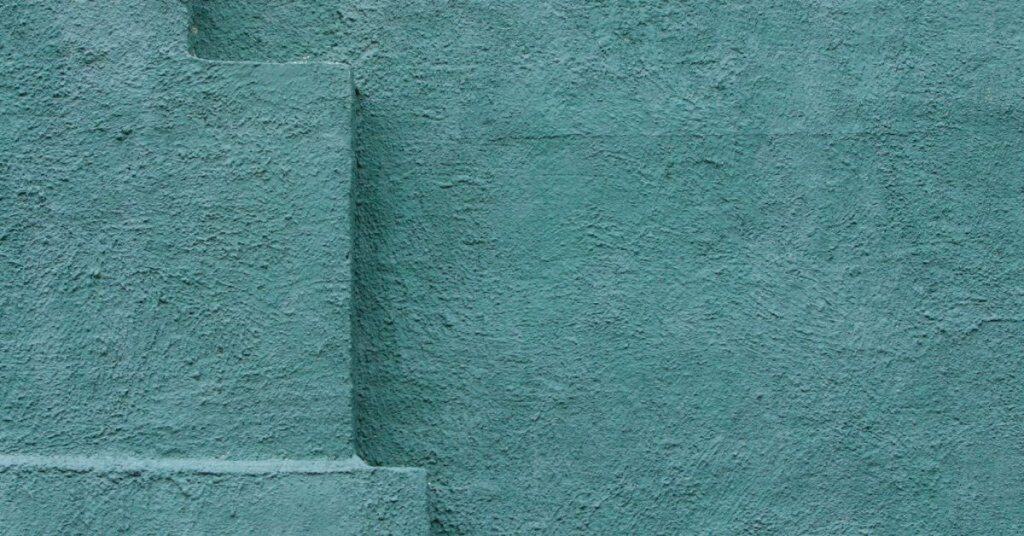
Close-up of blue stucco wall texture with raised sections

Fasteners Through Stucco: Sealing Strategies That Don’t Create Water Traps

Introduction Fasteners through stucco are methods for attaching items to a stucco surface while keeping water from getting trapped behind it. In practice, you need a seal that sheds water and a proper flashing path so moisture can’t linger. This article speaks in plain terms about choosing fasteners and sealants without creating hidden leaks. To

Fasteners Through Stucco: Sealing Strategies That Don’t Create Water Traps Read More »

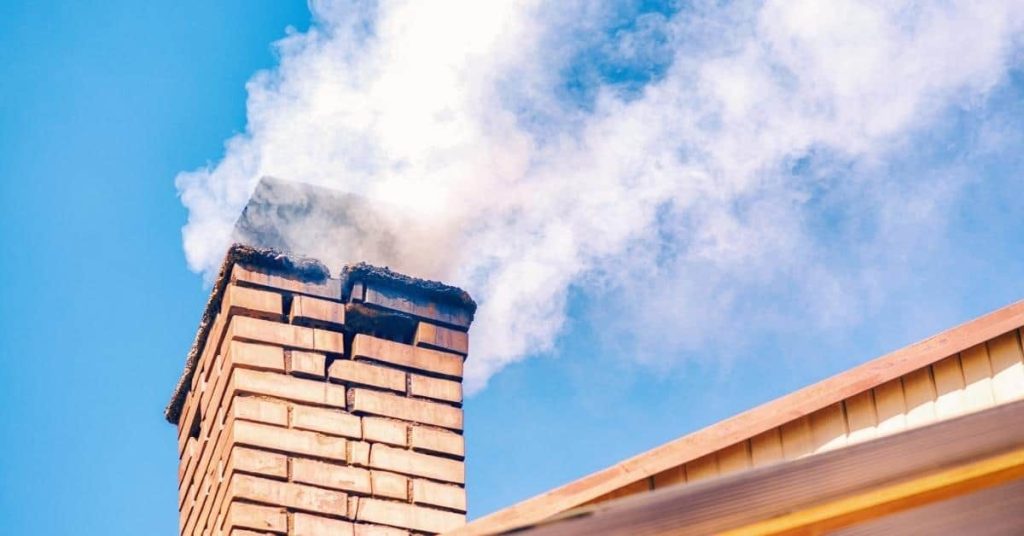
Brick chimney with smoke emitting against blue sky

Chimney Stucco Failures: Heat, Cracks, and Repair Choices

Introduction Chimney stucco failures are cracks and deterioration in the exterior plaster caused by heat exposure, moisture, and movement. These issues show up as hairline cracks, spalling, or texture changes that let water in. Addressing them early keeps water out and protects the brick or block behind the finish. To start, inspect for cracks that

Chimney Stucco Failures: Heat, Cracks, and Repair Choices Read More »

Worker painting interior wall yellow with roller

Painting Over Efflorescence: How to Stop Salts From Ruining Your Finish

Introduction Efflorescence is the white, powdery salt that can migrate to a wall surface when moisture moves through masonry. It can appear on painted or unpainted surfaces and can ruin a finish if not addressed. Before painting, you need to identify and clean it so the new coating can adhere. Identify efflorescence on walls and

Painting Over Efflorescence: How to Stop Salts From Ruining Your Finish Read More »