Search Results for: breathable paint stucco

Chimney Stucco Failures: Heat

Chimney Stucco Failures: Heat – Timeline & Duration of Repairs

Introduction The timeline and duration of chimney stucco repairs can vary greatly depending on the extent of heat damage. Understanding this timeline helps you plan your project effectively. In this guide, we’ll walk you through the step-by-step process of repairing heat-damaged chimney stucco, focusing on how long each stage takes and what affects the overall […]

Chimney Stucco Failures: Heat – Timeline & Duration of Repairs Read More »

Stucco Patch Curing Stains: How to Reduce “Dark Rings” Around Repairs

Stucco Patch Curing Stains: How to Reduce “Dark Rings” Around Repairs

Introduction Dark rings around stucco repairs are staining caused by moisture during the curing process. This article calls out a practical, hands-on approach to reduce those stains while you patch. What you do and when you do it matters for a cleaner, longer-lasting repair. Plan ahead for weather, especially in Eugene, and keep the surface

Stucco Patch Curing Stains: How to Reduce “Dark Rings” Around Repairs Read More »

Stucco over Foam (Eifs/Thin Coat): What Changes with Base Coat and Mesh Placement

Stucco over Foam (Eifs/Thin Coat): What Changes with Base Coat and Mesh Placement

Introduction Stucco over foam (EIFS/thin coat) is a layered exterior finish that uses insulation foam beneath a base coat and reinforced mesh. This article keeps it practical for DIYers and focuses on how base coat and mesh placement change when you install over foam. Think of it as a lightweight, flexible alternative to traditional stucco,

Stucco over Foam (Eifs/Thin Coat): What Changes with Base Coat and Mesh Placement Read More »

Deck Attachments Through Stucco: a Safe Detail That Doesn’t Trap Water

Deck Attachments Through Stucco: a Safe Detail That Doesn’t Trap Water

Introduction Deck attachments through stucco can be installed in a way that prevents water from being trapped. You’ll learn practical steps and guidelines for planning, installing, and inspecting connections that stay watertight without compromising the stucco. Key takeaways Use continuous flashing with weep screed to channel water away from stucco joints. Avoid embedding deck fasteners

Deck Attachments Through Stucco: a Safe Detail That Doesn’t Trap Water Read More »

Stucco at Garage Slab Edge: Preventing Wicking and Spalling at the Base

Stucco at Garage Slab Edge: Preventing Wicking and Spalling at the Base

Introduction Prevent wicking and spalling at the garage slab edge by properly detailing stucco at the base. The guide explains why edge detailing matters for moisture control and durability, and walks through practical steps, tips, and general rules of thumb you can apply to common garage slab conditions. Key takeaways Identify moisture sources at slab

Stucco at Garage Slab Edge: Preventing Wicking and Spalling at the Base Read More »

Efflorescence on Stucco: How to Remove It Gently and Keep It from Returning

Efflorescence on Stucco: How to Remove It Gently and Keep It from Returning

Introduction Efflorescence on stucco can be removed gently and kept from returning with careful cleaning and moisture management. You’ll learn practical steps for identifying efflorescence, selecting safe cleaners, washing without damaging the surface, and applying simple prevention techniques to minimize future moisture-related appearances. Key takeaways Identify efflorescence as mineral salts migrating to the surface after

Efflorescence on Stucco: How to Remove It Gently and Keep It from Returning Read More »

Repainting Old Stucco: Cleaning and Priming Steps That Prevent Peeling Paint Films

Repainting Old Stucco: Cleaning and Priming Steps That Prevent Peeling Paint Films

Introduction Repainting old stucco safely starts with cleaning and priming to prevent peeling paint films. You’ll learn practical steps for preparing the surface, choosing the right primer, and selecting a paint system that bonds to stucco. The guide explains why proper cleaning and priming matter, and it offers actionable tips and common-sense rules of thumb

Repainting Old Stucco: Cleaning and Priming Steps That Prevent Peeling Paint Films Read More »

Painted Plywood Floors: DIY Basics + Pro Tips for Better Results

Painted Plywood Floors: DIY Basics + Pro Tips for Better Results

Introduction Painted plywood floors provide a budget-friendly, durable finish that can refresh a room with a custom look. The guide walks through prep, primer and paint choices, application steps, and simple techniques for clean edges, plus practical tips and common mistakes to avoid so you can achieve solid results. Key takeaways Choose durable plywood grade

Painted Plywood Floors: DIY Basics + Pro Tips for Better Results Read More »
Stucco Patches That “flash”: How to Blend Texture and Color Without Repainting the Whole Wall

Stucco Patches That “flash”: How to Blend Texture and Color Without Repainting the Whole Wall

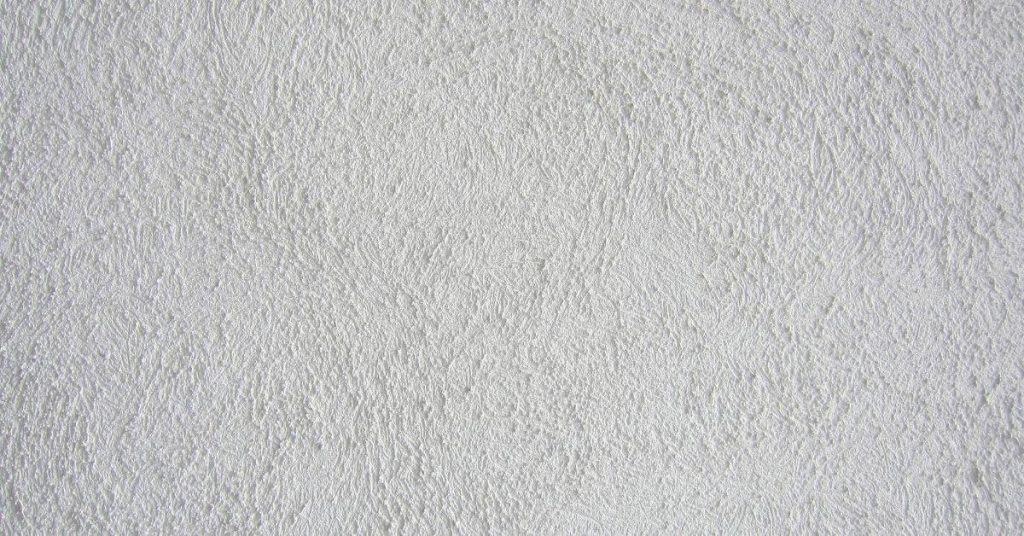
Introduction You can patch and blend stucco so the patch matches the texture and color without repainting the whole wall. This guide walks through practical steps for matching texture and color, blending edges, selecting appropriate finishes, and evaluating when a patch will look seamless. Key takeaways Identify flashing: moisture-wicking sheen and mineral deposits highlight patch

Stucco Patches That “flash”: How to Blend Texture and Color Without Repainting the Whole Wall Read More »

Stucco Cracks: the Myth of ‘just Cosmetic’ Damage That Can Cost You Thousands

Stucco Cracks: the Myth of ‘just Cosmetic’ Damage That Can Cost You Thousands

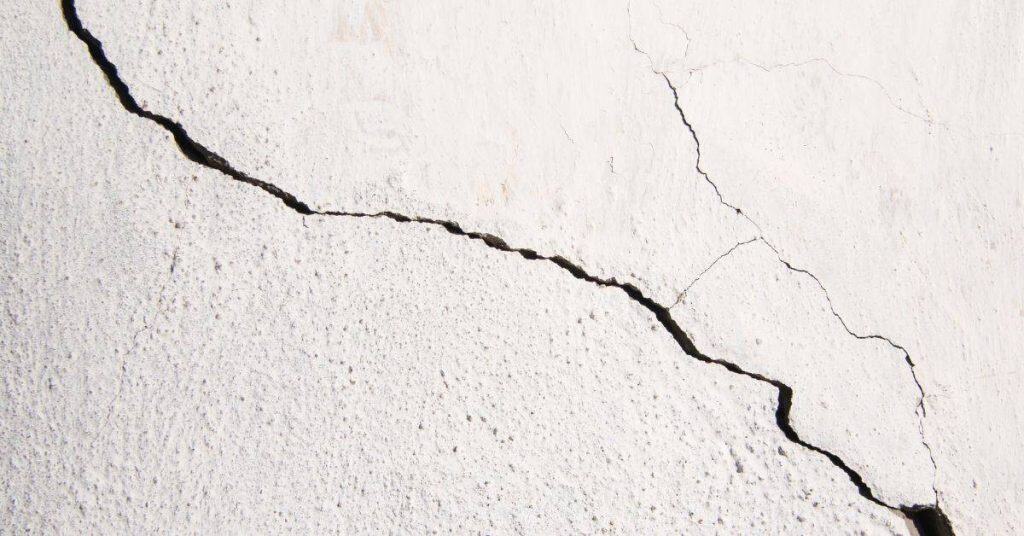
Introduction Stucco cracks are rarely cosmetic and can signal costly structural or moisture issues. This guide explains why cracks matter, how to assess severity, and what steps you can take to prevent further damage. You’ll learn practical tips for inspection, signs to watch for, and the kind of expert advice to seek before repairs. Back

Stucco Cracks: the Myth of ‘just Cosmetic’ Damage That Can Cost You Thousands Read More »