Search Results for: bonding agent plaster

Hand shaping a ball of plaster close up

How to Rebuild Missing Plaster Keys: Methods That Don’t Require Full Demo

Introduction A plaster key restoration is rebuilding the shallow grip surfaces in a wall to allow new plaster to bond without tearing out the entire section. It’s done without full demolition and is aimed at DIY repair. This introduction sets up practical, hands-on steps you can follow at home. Start with a careful inspection of

How to Rebuild Missing Plaster Keys: Methods That Don’t Require Full Demo Read More »

Wooden lath exposed behind damaged plaster wall

Repairing Plaster Where Lath Is Loose: Refastening vs Replacing and How to Decide

Introduction Repairing plaster where lath is loose means choosing between refastening the existing lath and replacing damaged lath. This article helps you decide which path fits your wall and how to do it safely. It keeps things practical and ready for a DIY project, not a textbook. To decide, start by locating loose lath and

Repairing Plaster Where Lath Is Loose: Refastening vs Replacing and How to Decide Read More »

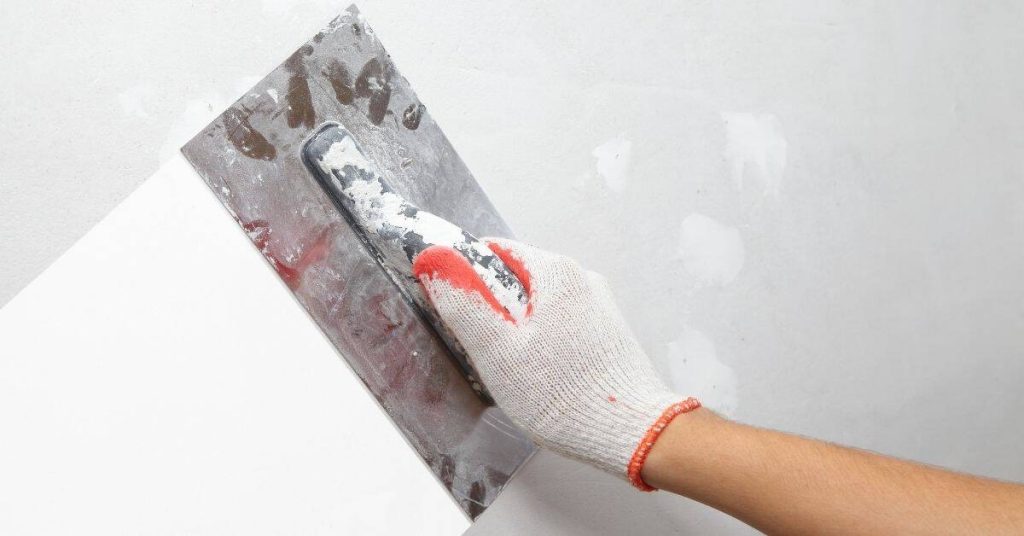
Hand in glove applying plaster with metal trowel on wall

Plaster (Interior)

Plaster Guides: Start Here This hub collects plastering guides for getting smooth, durable walls—prep, bonding, base coats, finish coats, patching, and common fixes. Plaster work rewards patience. The two biggest keys are surface prep and timing between coats. Start with those before you chase “perfect finish.” Start here Diagnose first (so you don’t patch over

Plaster (Interior) Read More »

Hands applying plaster on wall with trowel

Gypsum Plaster Over Lime Plaster: Compatibility, Primers, and Preventing Debonding

Introduction Gypsum plaster over lime plaster is the practice of applying gypsum-based plaster on top of lime-based plaster to create a smooth, finished surface. Compatibility comes down to surface prep, the right primer, and following each material’s instructions. Before you start, check that the lime is fully set and not actively chalking, and plan a

Gypsum Plaster Over Lime Plaster: Compatibility, Primers, and Preventing Debonding Read More »

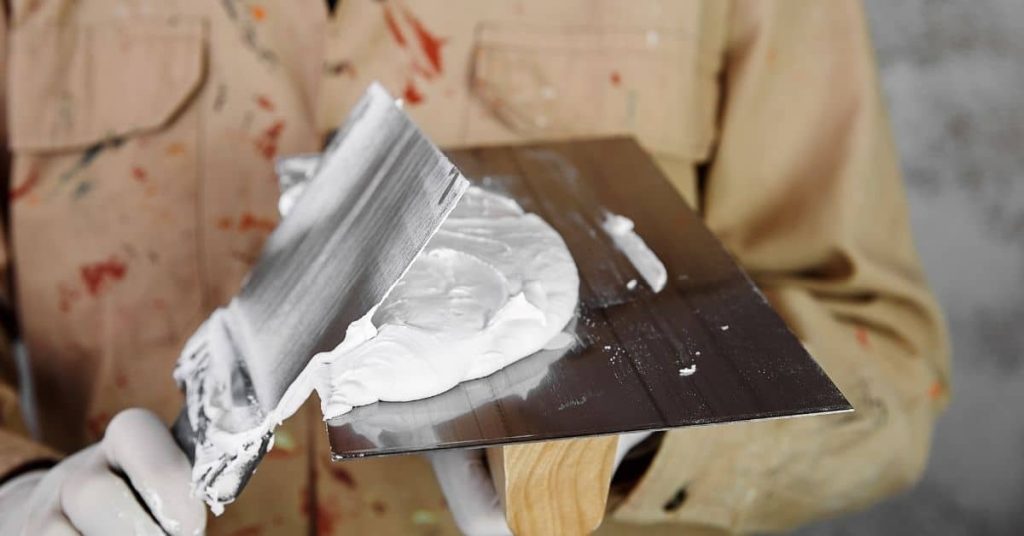
Hand applying white plaster with metal putty knife

Scagliola Basics: Making Faux-Marble Plaster Panels and Sealing Them for Real Use

Introduction Scagliola is a plaster technique used to imitate marble. Key takeaways Choose faux-marble panels when you want durable, low-maintenance decorative plaster. Prepare substrate with clean, sound surface and proper moisture management. Use sharp tools and steady mixing with PPE to avoid texture inconsistencies. Marbling requires even color distribution; test small panels before full cast.

Scagliola Basics: Making Faux-Marble Plaster Panels and Sealing Them for Real Use Read More »

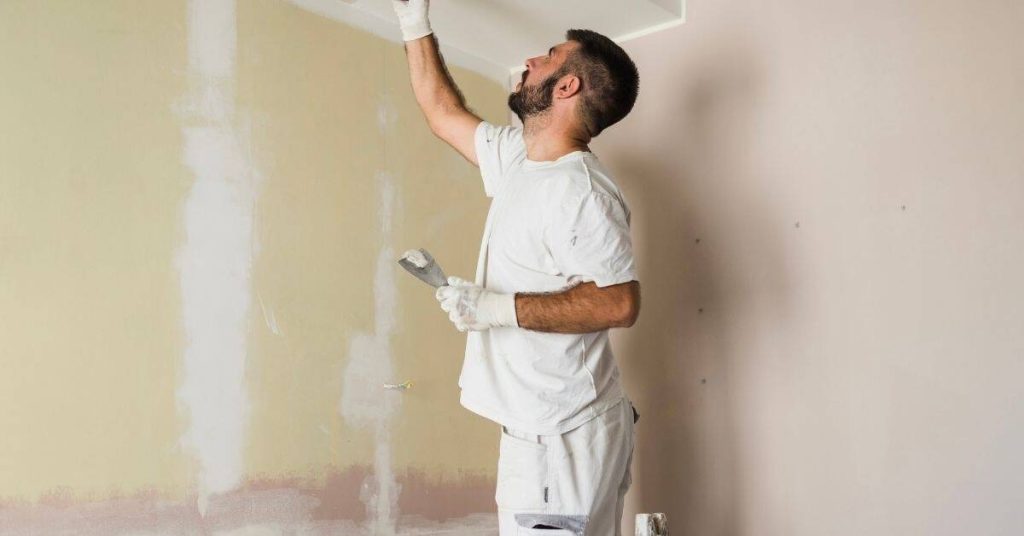
Man patching plaster on white ceiling with trowel

Patching Vertical Surfaces Overhead: Mixes, Bonding, and Sag Control

Introduction Patching vertical surfaces overhead means repairing overhead concrete with a patching mix to restore a flat surface. Use a mix rated for overhead bonding and follow the product label for prep and cure. Work from bottom to top as needed, and plan for potential sag during setting. Bonding strength and sag control come from

Patching Vertical Surfaces Overhead: Mixes, Bonding, and Sag Control Read More »

Man patching ceiling plaster with putty knife

Plaster Repairs After Electrical Work: Patching channels without a visible ridge

Introduction Plaster repairs after electrical work are patches that blend into the wall so you don’t see a ridge. Start by assessing the surrounding finish and preparing the plaster mix to match the existing texture. To avoid a visible ridge, feather the edges, work in thin coats, and blend with the surrounding plaster as you

Plaster Repairs After Electrical Work: Patching channels without a visible ridge Read More »

Man patching plaster on interior wall with putty knife

Patching Clay Plaster: Matching texture and color without a patch ring

Introduction Patching clay plaster means repairing damaged plaster by blending fresh material with the surrounding texture so the patch isn’t obvious. This guide treats texture and color matching as a hands-on, jobsite task you can do with basic tools. You’ll work in small steps, testing on a scrap area first. Start by cleaning the area,

Patching Clay Plaster: Matching texture and color without a patch ring Read More »