Search Results for: bonding agent plaster

Brick chimney with metal flashing on shingled roof

How to Rebuild Stucco at a Chimney Cricket: Flashing Integration Without Leaks

Introduction Rebuilding stucco at a chimney cricket means removing damaged material, repairing the substrate, and re-flashing the cricket so water is directed away from the chimney without leaks. This is a hands-on DIY task that combines cutting back stucco, checking and repairing the underlying sheathing and metal flashing, and installing compatible stucco layers. Before you […]

How to Rebuild Stucco at a Chimney Cricket: Flashing Integration Without Leaks Read More »
Close-up view of crushed concrete aggregate stones

Exposed Aggregate Repairs: Re-Exposing Stone Without Washing Out the Patch

Introduction Exposed aggregate repairs that re-expose stone without washing out the patch means removing the surface paste down to the original aggregate so the patch blends with the surrounding concrete. It’s a hands-on process using mechanical abrasion and careful material matching rather than scrubbing with water until the new paste disappears. Check product labels and

Exposed Aggregate Repairs: Re-Exposing Stone Without Washing Out the Patch Read More »

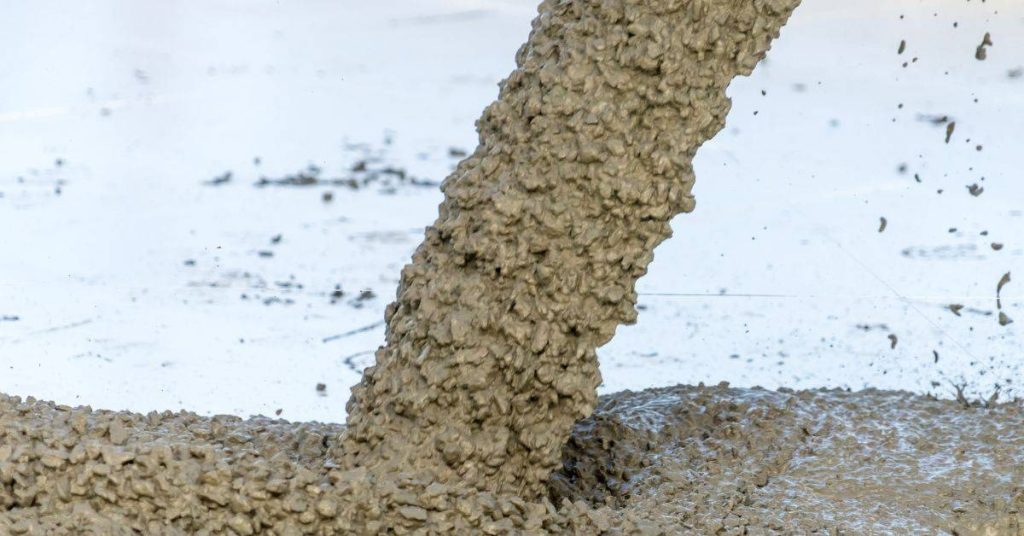
Wet concrete being poured onto a flat surface

Pouring Concrete Against Existing Asphalt: Joint Detail That Prevents Edge Break

Introduction Pouring concrete against existing asphalt requires a proper joint detail that keeps the concrete edge from chipping and lets the two materials move independently. In plain terms: create a clean separation with a compressible filler and a small gap so freeze‑thaw, traffic, or settling don’t break the concrete edge. Check product labels and local

Pouring Concrete Against Existing Asphalt: Joint Detail That Prevents Edge Break Read More »

modern concrete countertop with integrated sink and black faucet

Repairing a Concrete Countertop Chip at the Sink: Edge Build-Up and Reseal Workflow

Introduction Repairing a concrete countertop chip at the sink means rebuilding the damaged edge with a compatible patch compound, shaping it to match the surrounding profile, and then resealing the repair so water can’t get in. This is a hands-on patch-and-finish job you can do with basic tools, but check the patch product label and

Repairing a Concrete Countertop Chip at the Sink: Edge Build-Up and Reseal Workflow Read More »

Open paint buckets with yellow pink and green paint and paintbrush

Adding Color Hardener to Small Slabs: Broadcast Technique and Dust Control

Introduction Adding color hardener to small slabs means broadcasting a powdered pigment over fresh concrete and working it in for color and surface wear resistance. It’s a hands-on process that uses basic tools—buckets, shovels, hand floats, brushes—and color hardener product; check the product label and manufacturer instructions for coverage and timing. Do the broadcast in

Adding Color Hardener to Small Slabs: Broadcast Technique and Dust Control Read More »

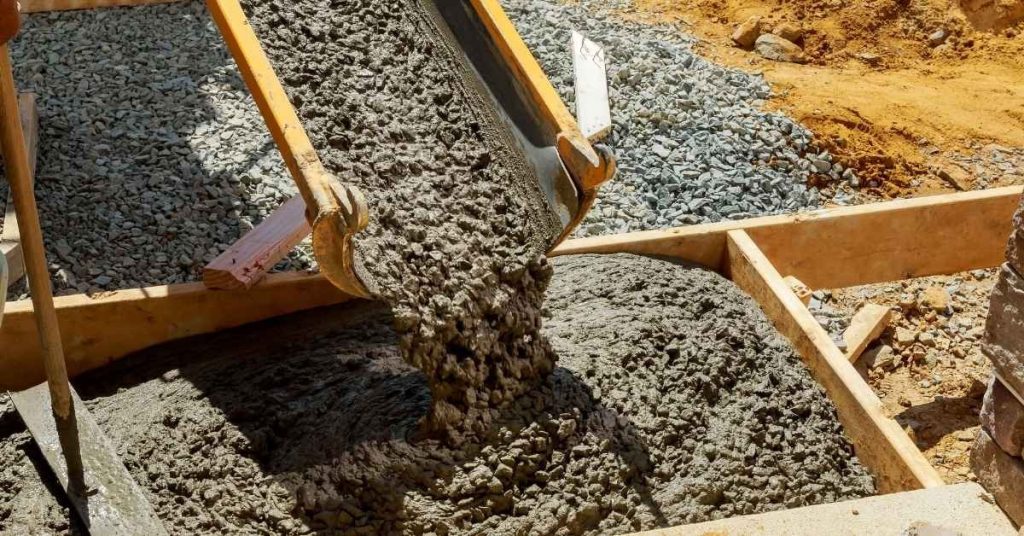
Wet concrete pouring into wooden forms for curbing

How to Repair a Broken Concrete Curb Corner: A Step-by-Step Timeline

Introduction Repairing a broken concrete curb corner can seem like a daunting task, but with the right approach and understanding of the timeline involved, it’s a manageable DIY project. This step-by-step guide walks you through the process from start to finish, breaking down each stage so you know exactly how long it takes and what

How to Repair a Broken Concrete Curb Corner: A Step-by-Step Timeline Read More »

Blue ladder in room with patched and primed drywall walls

Setting-Type Mud vs. All-Purpose: Where Each Belongs in Repairs and Finishing

Introduction Setting-type mud is a drywall compound that dries harder for joints, while all-purpose mud is a versatile, faster-setting option for general repairs. In repairs and finishing, use setting-type where you need a strong, clean joint and sanding resistance; use all-purpose for quick fills and smooth coats. Think about the project timeline and surface when

Setting-Type Mud vs. All-Purpose: Where Each Belongs in Repairs and Finishing Read More »

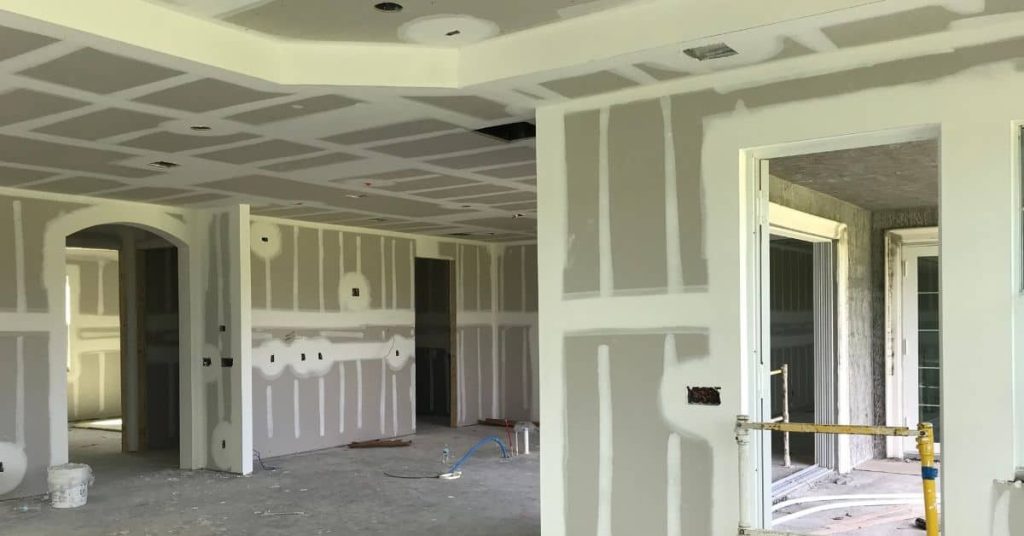
Drywall panels with taped and mudded seams in unfinished room

Drywall Repair After Wallpaper Removal: Fixing Torn Paper Without Bubbles

Introduction Drywall repair after wallpaper removal means fixing the torn or peeled gypsum board surface so it sits flat and ready for paint. You’ll likely need to patch the torn areas, skim the joints, and feather the edges so the wall looks seamless. This is a hands-on job you can do without specialized tools beyond

Drywall Repair After Wallpaper Removal: Fixing Torn Paper Without Bubbles Read More »