Search Results for: bonding agent plaster

Close-up of weathered pink stucco wall texture

Making Stucco Sample Boards: Test Panels That Predict Color and Texture

Introduction Making stucco sample boards means applying small, finished panels that show how a specific mix, color, and texture will look on the real wall. These test panels let you see drying color shifts, surface texture, and how the base and finish layers interact before you commit to the whole job. Keep the process hands-on: […]

Making Stucco Sample Boards: Test Panels That Predict Color and Texture Read More »
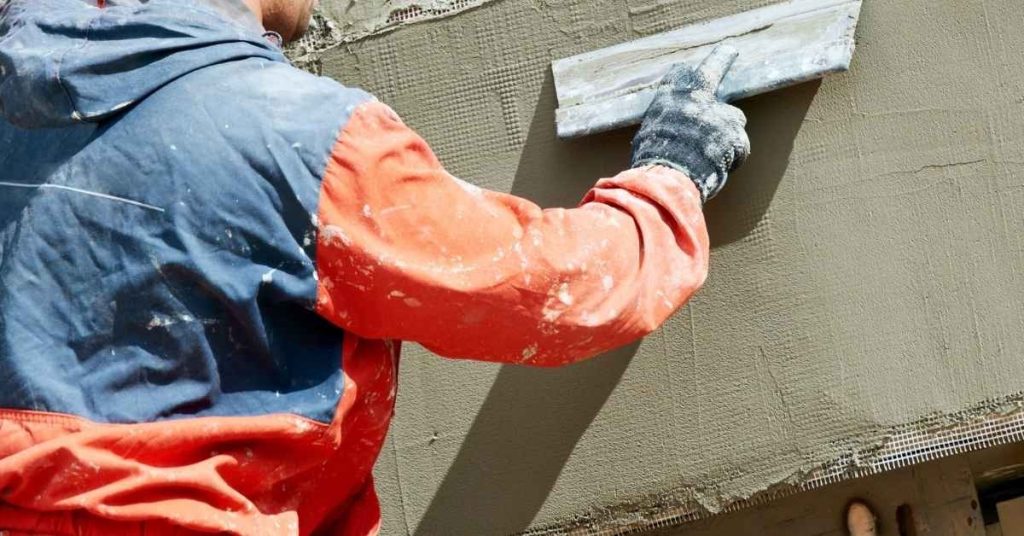
Worker smoothing fresh stucco on wall with trowel

Using Acrylic-Modified Stucco for Patches: Where It’s Smart and Where It Causes Issues

Introduction Acrylic-modified stucco is a cement-lime stucco mix blended with acrylic polymers to improve adhesion and flexibility for patching and thin coats. In plain jobsite terms, it sticks better to sound substrates and tolerates slight movement more than plain cement stucco, but check the product label and manufacturer instructions for proper uses and mixing. Use

Using Acrylic-Modified Stucco for Patches: Where It’s Smart and Where It Causes Issues Read More »

Worker applying stucco to block wall near windows covered in blue plastic

Mixing Stucco for Repairs: Sand Gradation, Lime Content, and Workability Tips

Introduction Mixing stucco for repairs means blending cement, sand, and lime to get a durable, workable patch that matches the existing surface. Use sand graded for stucco (check the product label or supplier gradation), add lime for flexibility per manufacturer guidance, and adjust water until the mix holds shape without slumping. Aim for a consistency

Mixing Stucco for Repairs: Sand Gradation, Lime Content, and Workability Tips Read More »

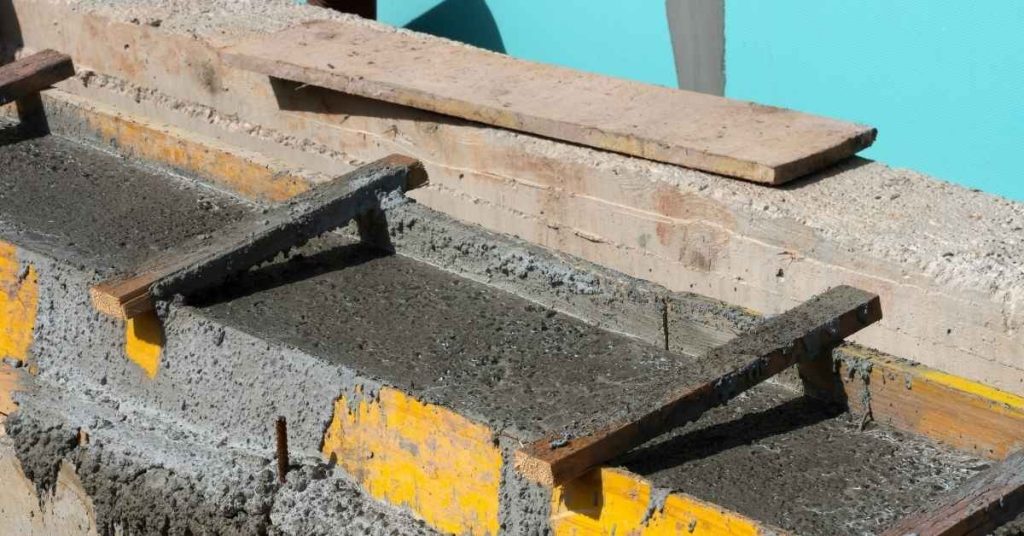
Fresh concrete pour in wooden formwork on vertical surface

Concrete Honeycomb Repair on Vertical Surfaces: Dry-Pack vs Form-and-Pour Decision Guide

Introduction Dry-pack and form-and-pour are two ways to repair honeycomb on vertical concrete surfaces. This guide helps you choose based on the damage, access, and field conditions you’ll face on site. Think of it as a practical decision, not a textbook rulebook. Dry-pack repairs are quick and grab the wall with minimal equipment, but they

Concrete Honeycomb Repair on Vertical Surfaces: Dry-Pack vs Form-and-Pour Decision Guide Read More »

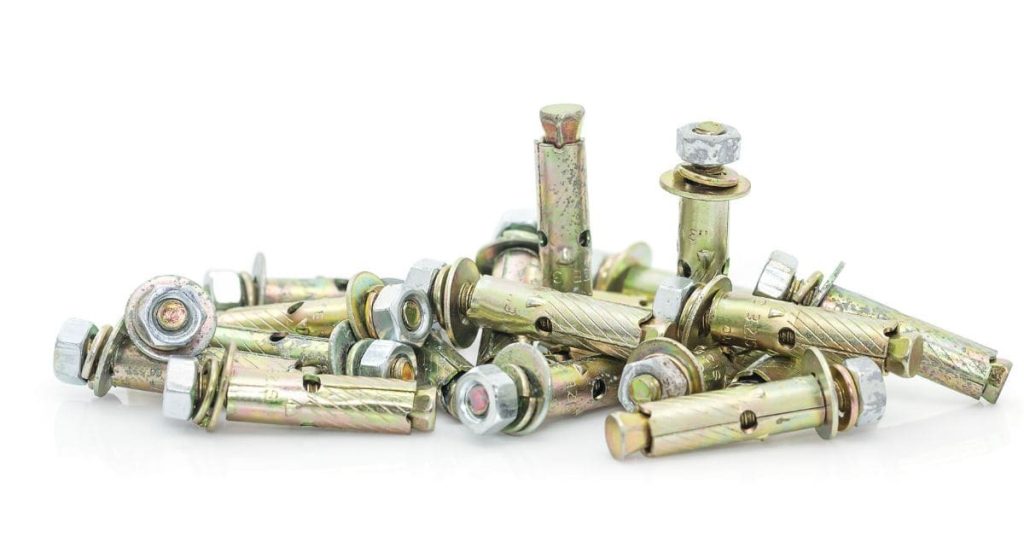
pile of metal expansion anchor bolts on white background

How to Patch an Over-Drilled Anchor Hole in Concrete Without Losing Strength

Introduction Patching an over-drilled anchor hole in concrete without losing strength means cleaning the hole, choosing a compatible filler or epoxy, and installing the repaired anchor so the load transfers into sound material. This is a hands-on fix: identify whether the hole is shallow, deep, or into cracked concrete and pick a material rated for

How to Patch an Over-Drilled Anchor Hole in Concrete Without Losing Strength Read More »

Smooth epoxy coated concrete garage floor with car

Setting Epoxy Anchors in Damp Concrete: When It Works and When It’s a Hard No

Introduction Epoxy anchors can work in damp concrete, but whether they do depends on the product and the site conditions. Some epoxies tolerate dampness or damp-to-wet surfaces, while others require dry holes—check the manufacturer instructions and product label before you start. On the jobsite that means choosing the right epoxy cartridge for moisture, cleaning and

Setting Epoxy Anchors in Damp Concrete: When It Works and When It’s a Hard No Read More »

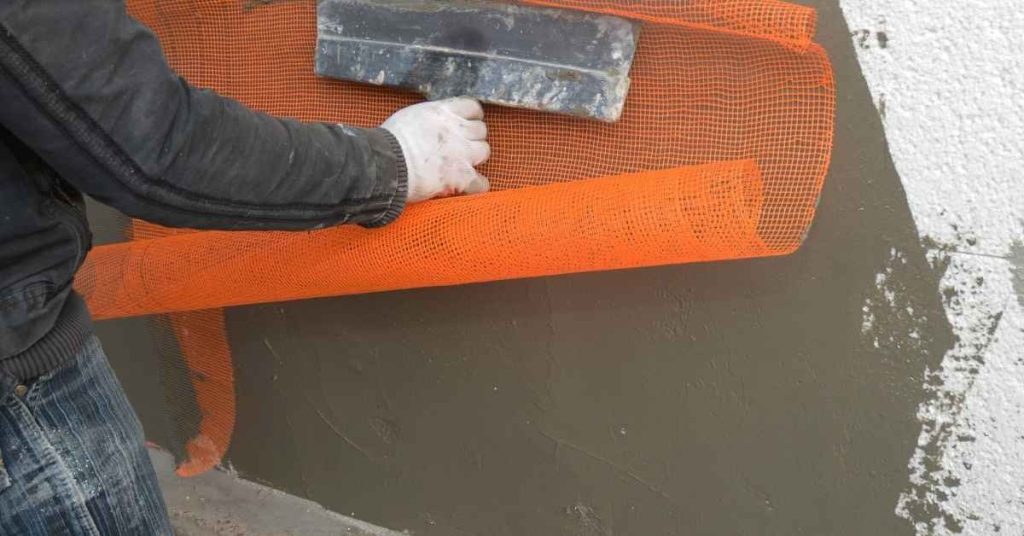
Worker applying orange mesh on wet stucco surface

Repairing Stucco at Inside Corners: Mesh Layout and Stress Relief Details

Introduction Repairing stucco at inside corners means reinforcing the corner with mesh and creating controlled stress relief so the patch bonds and moves without cracking. In practice you’ll cut and embed mesh over the corner, feather the scratch/base coats into the surrounding sound stucco, and finish with compatible topcoat material; check product labels and local

Repairing Stucco at Inside Corners: Mesh Layout and Stress Relief Details Read More »

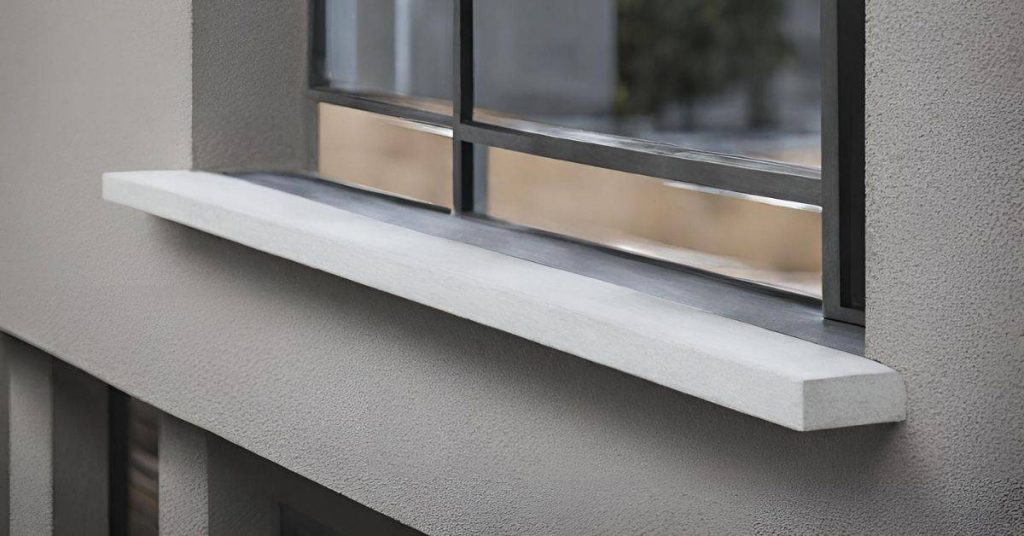
Close-up of a concrete window sill under a black metal-framed window

Concrete Overlay on Old Broom Finish: Step-by-Step Timeline and Duration Guide

Introduction Applying a concrete overlay to an old broom finish is a time-sensitive project that requires careful planning. Understanding the timeline and duration of each step is crucial for successful results. In this guide, we’ll break down the process into manageable steps, focusing on how long each task takes, so you can plan your project

Concrete Overlay on Old Broom Finish: Step-by-Step Timeline and Duration Guide Read More »

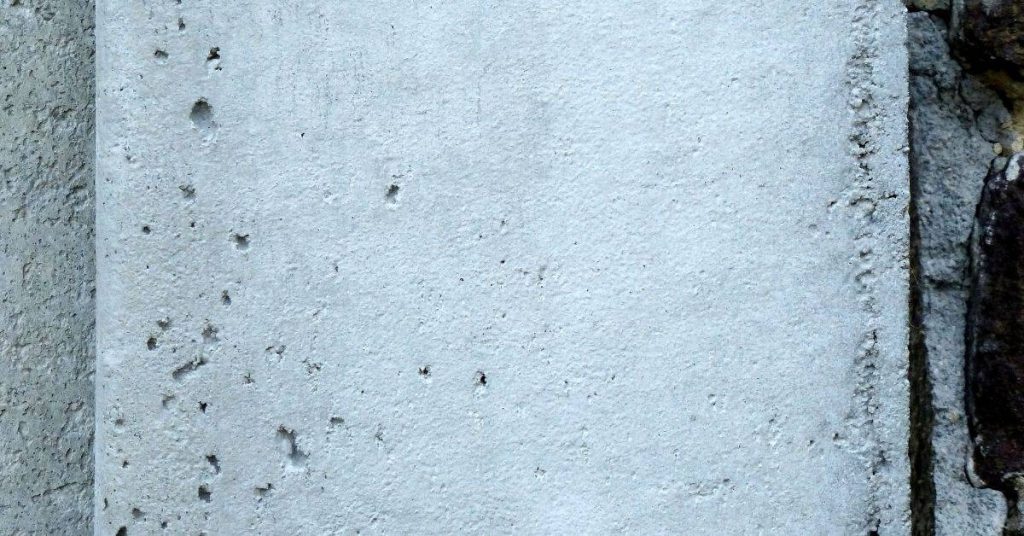
Close-up of concrete wall surface with small holes and rough texture

Form Tie Holes on Concrete Walls: Step-by-Step Clean Fill Techniques in Under 3 Hours

Introduction Tackling form tie holes on concrete walls doesn’t have to be a time-consuming project. With the right techniques and materials, you can clean, fill, and seal these pesky halos in under three hours. Let’s break down the process into manageable steps, ensuring you stay within your schedule without compromising quality. For the full guide,

Form Tie Holes on Concrete Walls: Step-by-Step Clean Fill Techniques in Under 3 Hours Read More »

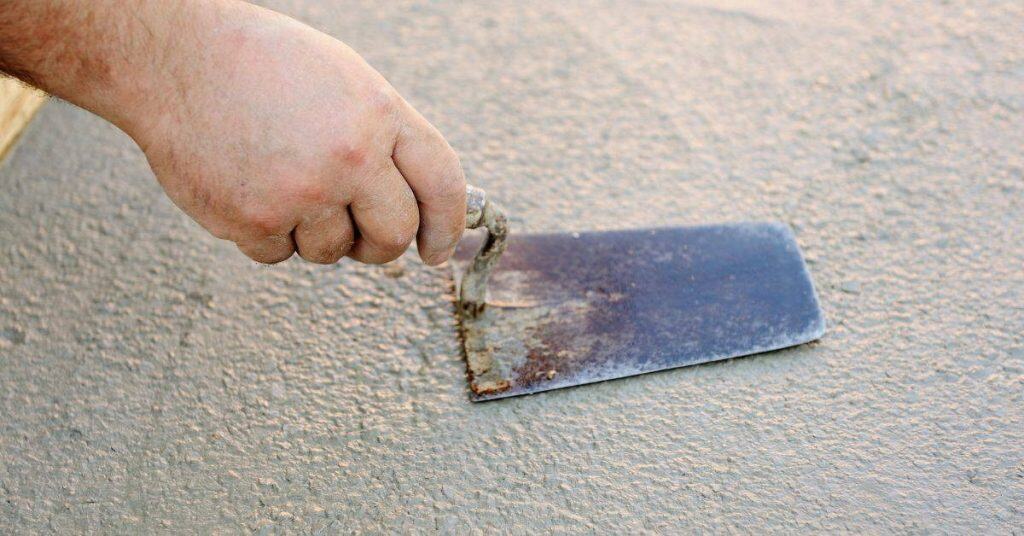
Hand holding a rusty trowel on a stucco surface

Stucco Layers and Purpose: How Each Coat Works and What Failures Look Like When One Is Wrong

Introduction Stucco layers are a sequence of coats—usually a scratch or bonding layer, a brown or leveling layer, and a finish coat—each serving to bond, build thickness, and protect or texture the wall. In plain jobsite terms: the first coat grabs the mesh and substrate, the middle builds out thickness and straightens the plane, and

Stucco Layers and Purpose: How Each Coat Works and What Failures Look Like When One Is Wrong Read More »