Search Results for: bonding agent plaster

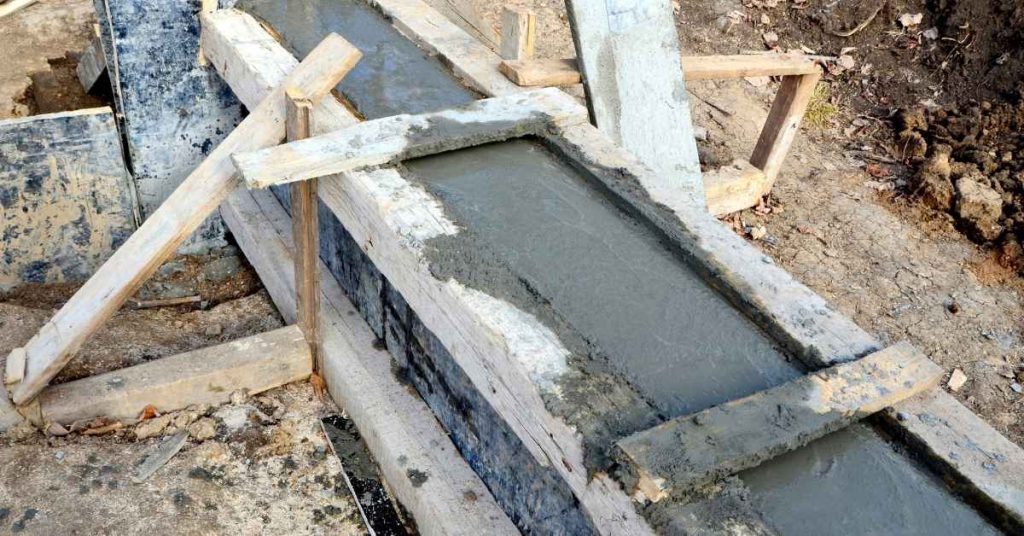
Fresh concrete poured into wooden forms at construction site

Concrete Form Release: Preventing stains, soft faces, and patchy color

Introduction Concrete form release is a coating applied to forms to prevent sticking and to help control staining and color issues on the surface. Key takeaways Choose release agents carefully; improper use can stain and dull decorative color. Plan form removal timing with manufacturer instructions and local code guidance. Use recommended tools and materials from […]

Concrete Form Release: Preventing stains, soft faces, and patchy color Read More »

Hand holding spray paint gun near peeling painted wooden siding

Fixing Cracked Elastomeric Coatings: Prep and recoats that stop peeling

Introduction Fixing cracked elastomeric coatings means repairing and reapplying a flexible protective layer so cracks stop growing and peeling ends. Cracking often comes from substrate movement, UV exposure, or poor initial prep, so surface prep and proper adhesion are key. In this hands-on guide, you’ll learn how to clean, repair, and re-coat using the right

Fixing Cracked Elastomeric Coatings: Prep and recoats that stop peeling Read More »

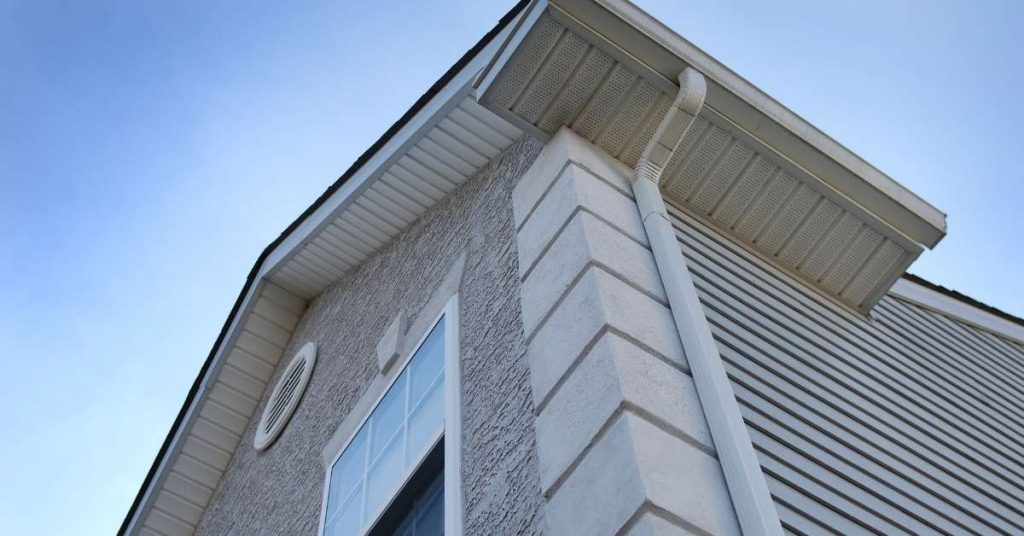
Close-up of outside stucco corner on house with clear sky

Outside Corner Stucco Damage: Stronger corner repairs that don’t chip out

Introduction Outside corner stucco damage refers to cracks or chips at the corner where two exterior walls meet. The goal is to make a repair that stays strong and looks even, without the chip coming back. This article walks you through practical, hands-on steps you can follow with common tools. You’ll want to check if

Outside Corner Stucco Damage: Stronger corner repairs that don’t chip out Read More »

Hand applying gray stucco to exterior wall with trowel

New Stucco Over Old Stucco: When it’s safe and how to prep properly

Introduction Yes—new stucco can go over old stucco when the base is sound. Look for cracks, loose sections, and obvious moisture problems and address them. Ask about local rules and follow manufacturer instructions for the products you choose. Prepare the surface by cleaning, repairing loose areas, and ensuring a stable bond. Prime as directed and

New Stucco Over Old Stucco: When it’s safe and how to prep properly Read More »

Brick chimney with smoke against clear blue sky

Chimney Stucco Cracks and Stains: Causes, repairs, and prevention

Introduction Chimney stucco cracks and stains are exterior flaws in the stucco coating caused by movement, moisture, or dirty runoff. These issues can signal underlying water intrusion or surface aging that needs attention. Identifying the cause helps you choose a safe, practical repair plan you can do yourself. Look for hairline cracks, efflorescence, or dark

Chimney Stucco Cracks and Stains: Causes, repairs, and prevention Read More »

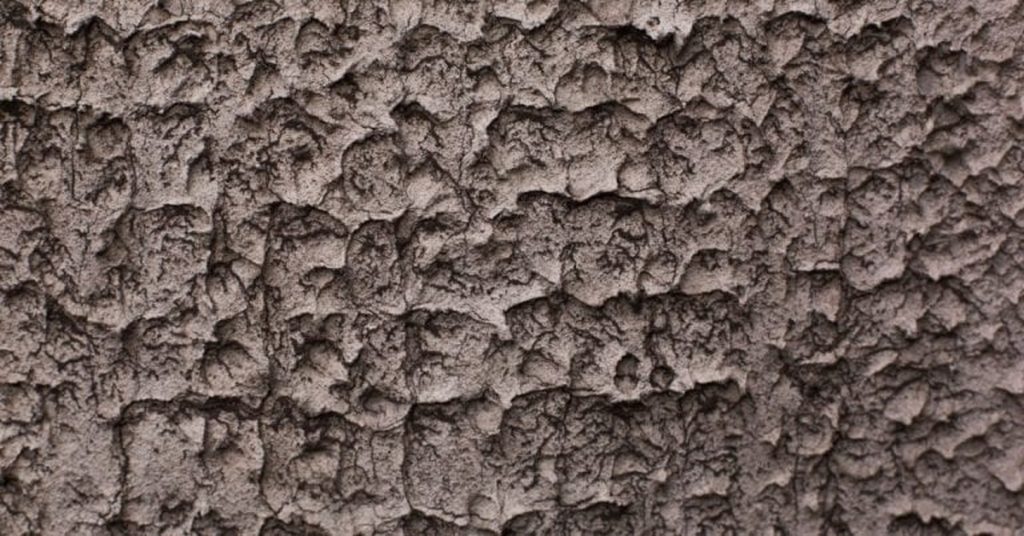
Closeup of rough textured brown stucco surface

Filling Small Holes in Stucco: Repairs that don’t leave a visible outline

Introduction Filling small holes in stucco means patching with a compatible material and feathering the edges so the repair isn’t noticeable. It’s a hands-on task you can do with basic tools and patience. Start with a clean, dry surface and work slowly to keep texture consistent. Begin by cleaning the area and removing loose material.

Filling Small Holes in Stucco: Repairs that don’t leave a visible outline Read More »

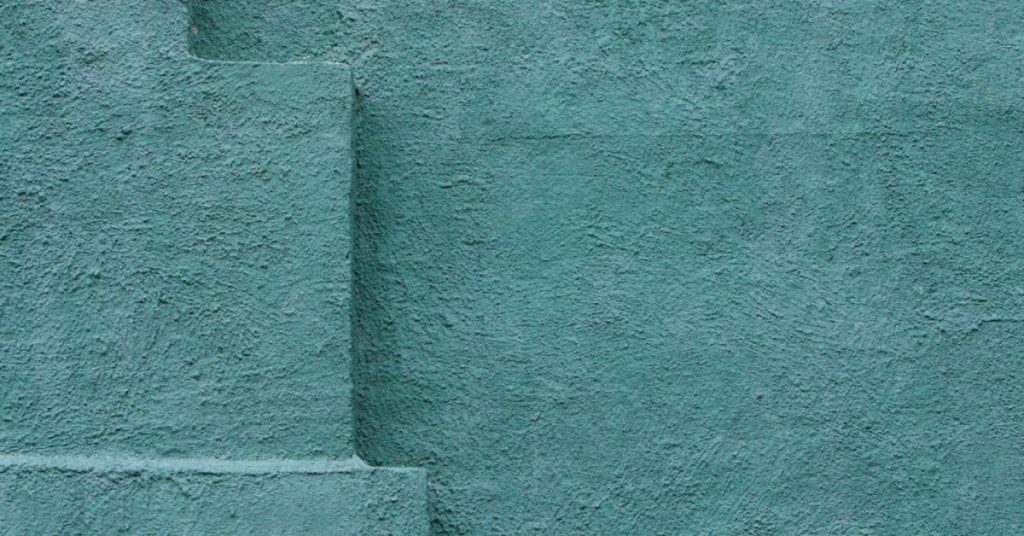
Close-up of blue stucco wall texture with slight indentations

Stucco Texture Repair After Pressure Washing Damage: How to rebuild the finish

Introduction This is the process of rebuilding a damaged stucco texture after pressure washing. You’ll assess the damage, prepare the surface, and re-apply texture to match the rest of the wall. Work in small sections and let your patch dry before finishing. Prepare the area by cleaning loose material and dampening the surface, then apply

Stucco Texture Repair After Pressure Washing Damage: How to rebuild the finish Read More »

paintbrush resting on yellow paint bucket with roller tray and colorful paint buckets

Limewash Streaks: Preventing lap marks and uneven color

Introduction Limewash streaks are uneven color patches that appear as lap marks when the coating dries. This article explains practical, hands-on steps to prevent them while you’re working with limewash. You’ll learn simple checks and common-sense methods you can do on a DIY project. Start by preparing the surface well and applying limewash in consistent

Limewash Streaks: Preventing lap marks and uneven color Read More »