Search Results for: bonding agent plaster

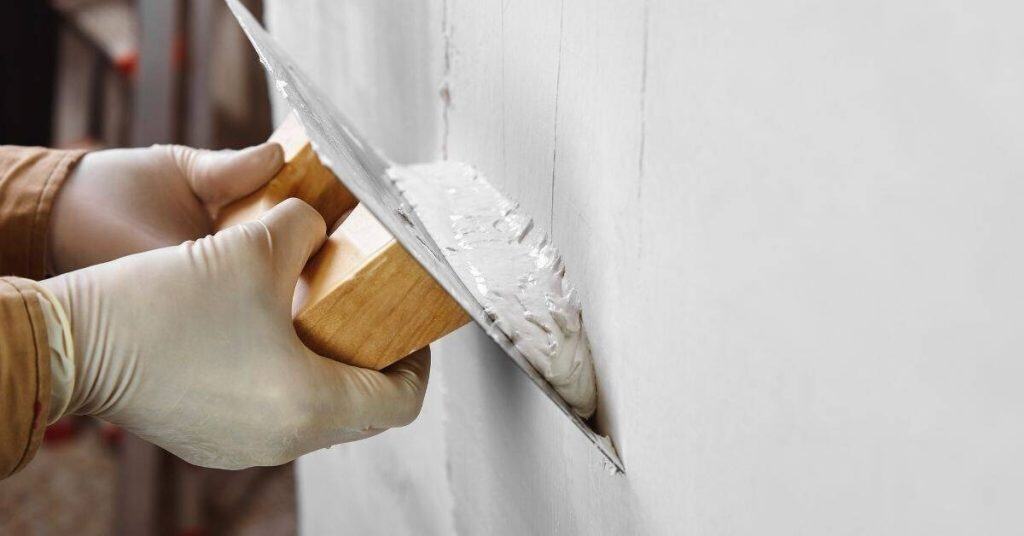
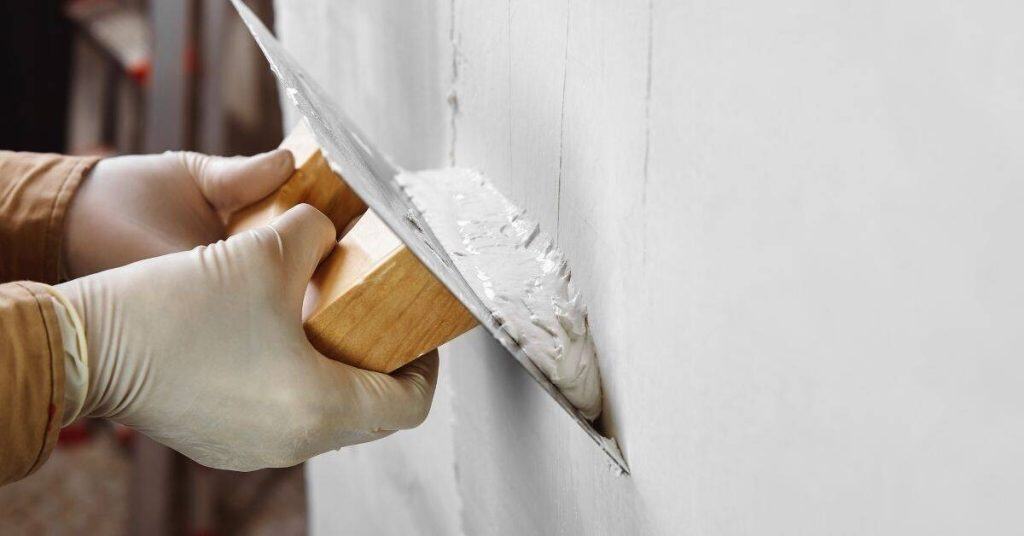
Hands holding trowel and applying white plaster

Plaster Over Old Wallpaper Glue: Testing Bond and Avoiding Delamination

Introduction Plaster over old wallpaper glue means applying plaster over a surface with wallpaper adhesive still present. This can work, but you need to test the bond first and clean or pretreat areas that are soft or gummy. In practice, you’ll scratch, wash, or skim coat to improve grip. To test bond, apply a small […]

Plaster Over Old Wallpaper Glue: Testing Bond and Avoiding Delamination Read More »

Hands applying plaster with a trowel on wall

Clay Plaster Basics for Homeowners: Mixing, Application, and Crack Control

Introduction Clay plaster is a traditional, breathable finish made from clay and water that you apply to walls. It’s forgiving and doable for DIY projects when you work in small, manageable steps. Check the bag or supplier instructions for how to blend, the right water amount, and any additives. Apply in thin coats, letting each

Clay Plaster Basics for Homeowners: Mixing, Application, and Crack Control Read More »

Close up of blue painted stucco wall texture

Stucco Patches on Painted Surfaces: Bonding Agents, Scratch Keys, and When to Strip Paint

Introduction This article explains how to patch stucco on painted surfaces, including prep, bonding, and deciding when to strip paint. It covers bonding agents, scratch keys, and the little checks you need to avoid a failed patch. Keep it DIY-friendly with practical steps you can do on a weekend. Start by inspecting the painted area

Stucco Patches on Painted Surfaces: Bonding Agents, Scratch Keys, and When to Strip Paint Read More »

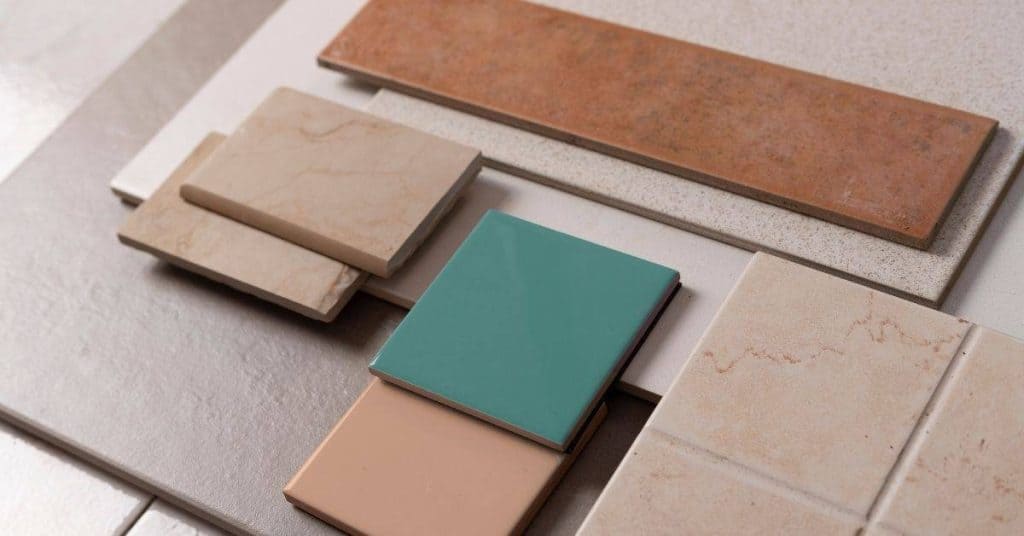
Various ceramic and porcelain tile samples arranged on a surface

Pool Waterline Tile Repairs: Bonding to Old Substrates and Avoiding Hollow Spots

Introduction Bonding old pool waterline tile to aged substrates requires thorough prep and the right adhesives to prevent hollow spots. This is a hands-on, DIY task that starts with cleaning, roughing the surface, and choosing compatible materials. Check product labels and manufacturer guidance for substrate compatibility, cure times, and any moisture considerations. Dust control during

Pool Waterline Tile Repairs: Bonding to Old Substrates and Avoiding Hollow Spots Read More »

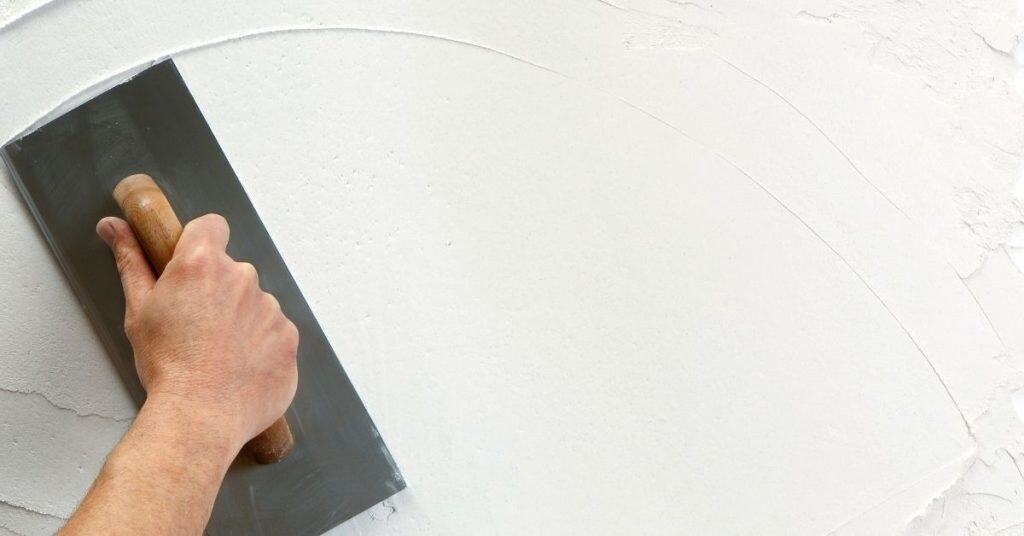
Hand holding trowel smoothing plaster on wall

Plaster Crack Repair That Lasts: Stabilize Movement Before You Patch

Introduction Stabilizing movement before patching means stopping the wall from shifting so the patch can stick. This is a hands-on job, not a quick cover-up. You’ll address the underlying cause first, then patch. Start by locating what’s moving in the wall and take steps to stop it. Secure loose framing with basic fixes and let

Plaster Crack Repair That Lasts: Stabilize Movement Before You Patch Read More »

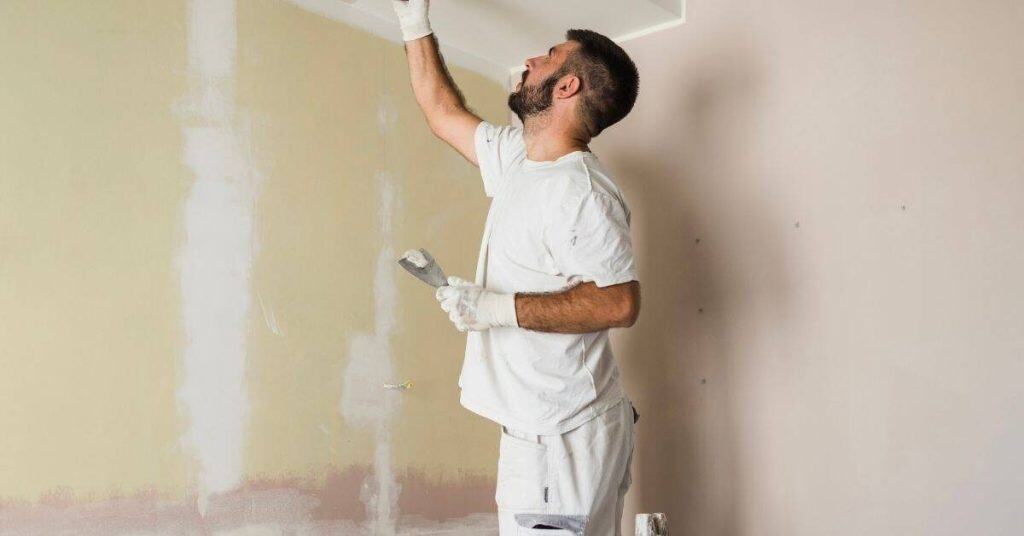
Man patching interior wall with plaster using putty knife

Lime Plaster Compatibility Rules: Patching Old Walls Without Future Failure

Introduction Lime plaster compatibility means using a mix that can bond to existing walls without trapping moisture. It requires considering the old wall material and ensuring the new plaster can move with it. Always check the wall for moisture or stability before patching. To patch, clean and roughen the surface, then apply a lime-based plaster

Lime Plaster Compatibility Rules: Patching Old Walls Without Future Failure Read More »

Hands applying wet plaster on wall with trowel

Creating a Smooth Plaster Finish: Trowel Pressure and Timing Basics

Introduction A smooth plaster finish comes from controlled trowel pressure and proper timing. That means pressing evenly as you float or skim, and watching the set so you don’t pull or push too much. You’ll get a better look if you keep strokes consistent and work in small, overlapping sections. Check the plaster’s working time

Creating a Smooth Plaster Finish: Trowel Pressure and Timing Basics Read More »