Search Results for: best epoxy for floor leveling

Glossy reflections on a dark epoxy-coated floor surface

Spot-Sealing Stains: How to Avoid ‘Shiny Islands’ on Matte Sealers

Introduction Spot-sealing stains are the shiny patches that can appear on a matte sealer after applying it. They usually form where the stain or moisture drew the sealer unevenly. In this guide we’ll keep things practical and show how to prevent those islands from showing up. To avoid them, work in small, controlled areas and […]

Spot-Sealing Stains: How to Avoid ‘Shiny Islands’ on Matte Sealers Read More »

Stamped concrete patio surface with square pattern

Removing Sealer From Stamped Concrete: Minimizing Pattern Damage During Stripping

Introduction Removing sealer from stamped concrete is the process of getting rid of the old coating without damaging the stamped pattern. This is a hands-on job that benefits from reading the product label, testing a small spot, and working slowly. Always check local rules and manufacturer instructions for any restrictions or precautions before you start.

Removing Sealer From Stamped Concrete: Minimizing Pattern Damage During Stripping Read More »

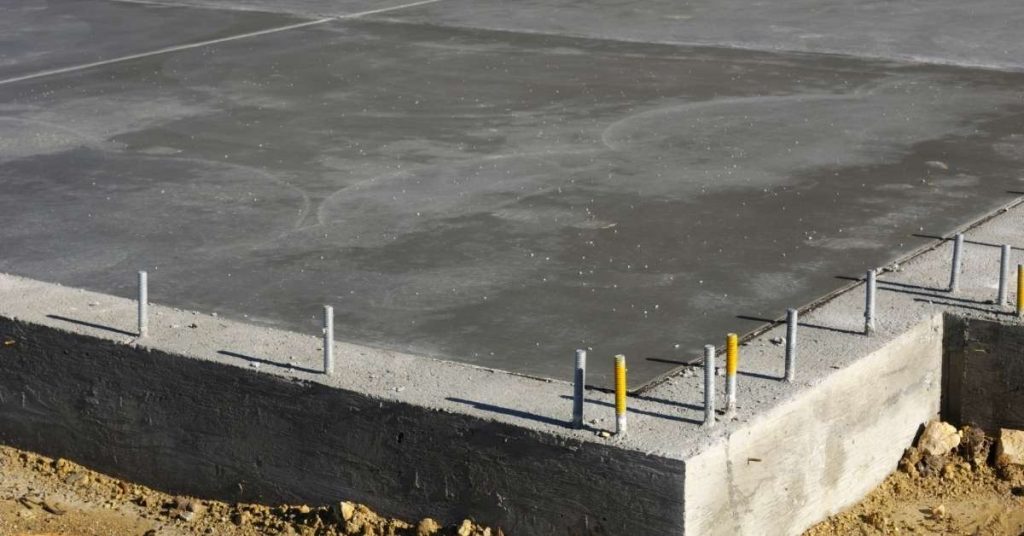
Concrete slab foundation with metal anchor bolts embedded

Preventing Cracks Around Slab Penetrations: Pipe Sleeves, Bond Breakers, and Joint Layout

Introduction Cracks around slab penetrations happen when the concrete around pipes or openings isn’t managed during pour. Key takeaways Use pipe sleeves fully encased in concrete, with proper clearance for movement. Apply bond breakers on form faces and sleeves to minimize three-sided adhesion. Plan joint layout early to align joints with penetrations and expected movement.

Preventing Cracks Around Slab Penetrations: Pipe Sleeves, Bond Breakers, and Joint Layout Read More »

Empty room with large windows and polished concrete floor

Salt-and-Pepper Polished Concrete: Achieving a Consistent Exposure Without Over-Grinding Edges

Introduction Salt-and-pepper polished concrete is a finish created by exposing a small, random mix of aggregate to produce a speckled, even look. The goal is to achieve a consistent exposure across the slab without carving too deep at edges. This approach keeps the surface looking uniform and practical for DIY applications. Edge finishing matters because

Salt-and-Pepper Polished Concrete: Achieving a Consistent Exposure Without Over-Grinding Edges Read More »

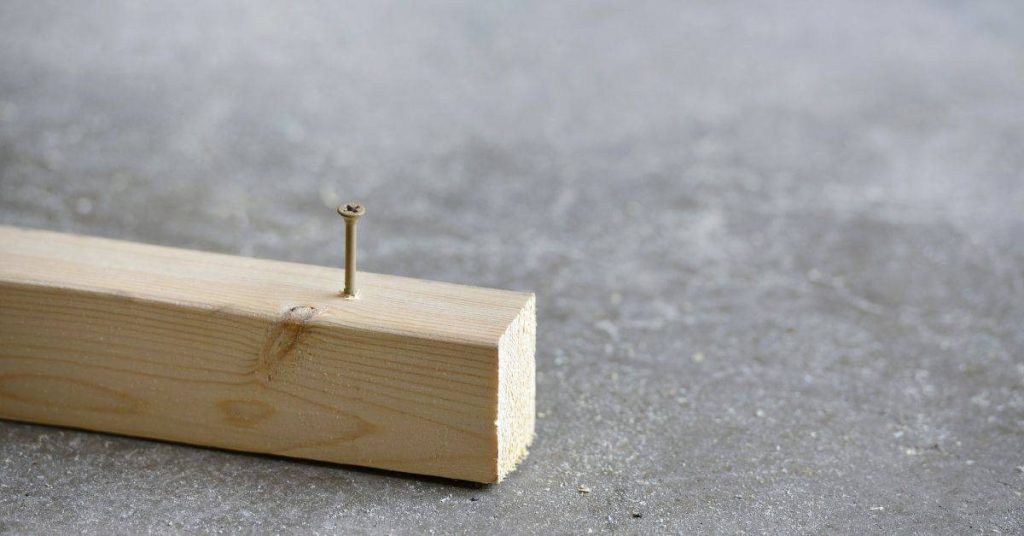
Wood block with nail inserted standing on concrete surface

Concrete Countertops With Inlays: Brass, Glass, Wood—Bonding and Differential Movement

Introduction Concrete countertops with inlays are countertops that embed brass, glass, or wood accents into the concrete surface. This article gives a practical, hands-on look at how to plan, mix, and place those inlays so they stay put. The goal is a durable, smooth surface you can live with, not a museum piece. We cover

Concrete Countertops With Inlays: Brass, Glass, Wood—Bonding and Differential Movement Read More »

Closeup of dark wooden floorboards with knots

Cast Concrete Sinks: Drain Reinforcement, Sealing Choices, and Stain-Proofing Reality

Introduction Cast concrete sinks are sinks formed by pouring concrete into a mold and letting it cure into a finished bowl. They require drain area reinforcement and careful form work to avoid cracking around the outlet. Sealing choices vary, and the reality is that stain resistance depends on the finish and maintenance. GRC, traditional concrete,

Cast Concrete Sinks: Drain Reinforcement, Sealing Choices, and Stain-Proofing Reality Read More »

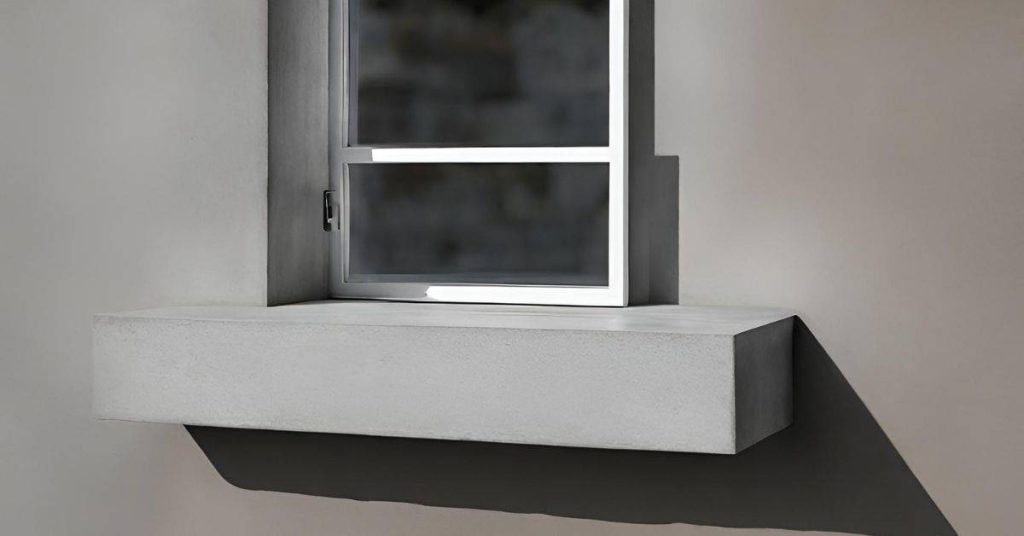
open window above wide concrete window sill casting shadow

Waterproofing Cast Concrete Fountains and Birdbaths: Coatings vs Liners and Maintenance

Introduction Waterproofing cast concrete fountains and birdbaths means choosing a method to keep water from leaking through the concrete. You can use coatings or liners, and each has its own pros for DIY setup and long-term maintenance. Check the product instructions and local rules to confirm compatibility with your concrete, climate, and any decorative finishes.

Waterproofing Cast Concrete Fountains and Birdbaths: Coatings vs Liners and Maintenance Read More »

precast concrete wall panels with steel roof framing

Grinding vs Scarifying vs Milling: Picking Removal Methods by Depth and Dust

Introduction Grinding, scarifying, and milling are three removal methods that remove concrete from the surface, each with a different tool and result. Grinding uses a rotating abrasive disk to smooth and flatten the top layer. Scarifying tears and scratches the surface to lift material more aggressively, while milling removes larger sections with a powered drum.

Grinding vs Scarifying vs Milling: Picking Removal Methods by Depth and Dust Read More »

Man patching plaster on white ceiling with trowel

Patching Vertical Surfaces Overhead: Mixes, Bonding, and Sag Control

Introduction Patching vertical surfaces overhead means repairing overhead concrete with a patching mix to restore a flat surface. Use a mix rated for overhead bonding and follow the product label for prep and cure. Work from bottom to top as needed, and plan for potential sag during setting. Bonding strength and sag control come from

Patching Vertical Surfaces Overhead: Mixes, Bonding, and Sag Control Read More »

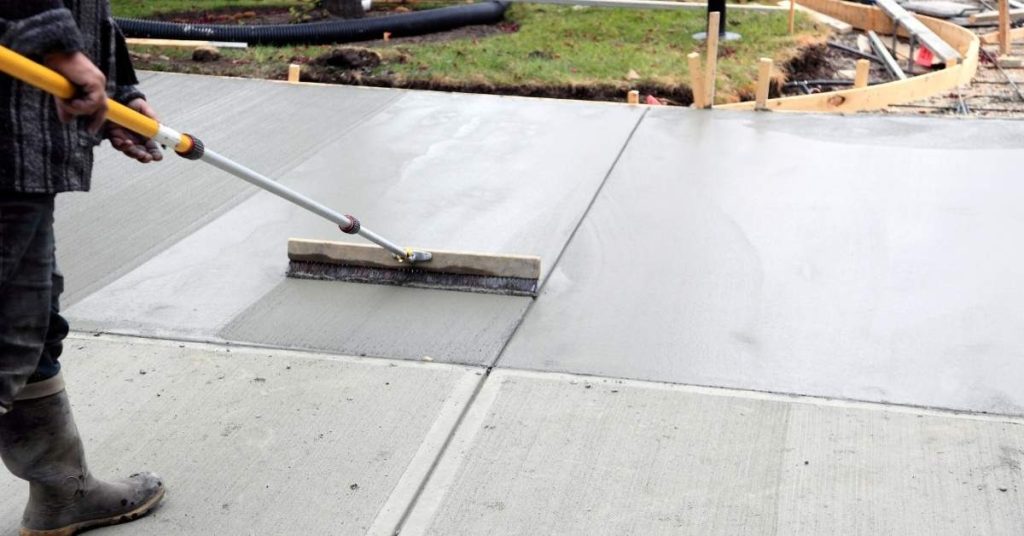
Person using concrete broom on wet concrete sidewalk

Reprofiling Worn Broom Finish: Thin Overlay vs Cut-and-Replace

Introduction Reprofiling worn broom finish means restoring a broom-textured concrete surface by either applying a thin overlay or replacing the affected slab. The approach you choose hinges on how deep the damage is, how flat you need it, and what your budget allows. Before you mix anything, focus on proper surface prep, crack clearing, and

Reprofiling Worn Broom Finish: Thin Overlay vs Cut-and-Replace Read More »