Search Results for: best concrete floor repair

Paintbrush dipping into open can of blue paint

Paint Storage in Winter: Freezing Damage, Re-Mixing, and When to Toss a Can

Introduction Paint storage in winter means keeping paint properly so it doesn’t separate, freeze, or go bad and knowing when to toss leftovers. Cold conditions can cause damage to the mix or seal, so plan ahead to protect cans and contents. Keep lids tight, store upright, and avoid exposing cans to drafts or extremes. If

Paint Storage in Winter: Freezing Damage, Re-Mixing, and When to Toss a Can Read More »

Close up of textured stone-like tiles in various gray shades

Form Liner Basics: Getting Consistent Texture and Avoiding Trapped Air Patterns

Introduction Form liner basics mean using flexible surface liners in concrete forms to shape texture and finish. They define the pattern you pull from the concrete and help control air pockets as the mix cures. We’ll cover how to choose liners, how they sit in the frame, and what to look for during setup. To

Form Liner Basics: Getting Consistent Texture and Avoiding Trapped Air Patterns Read More »

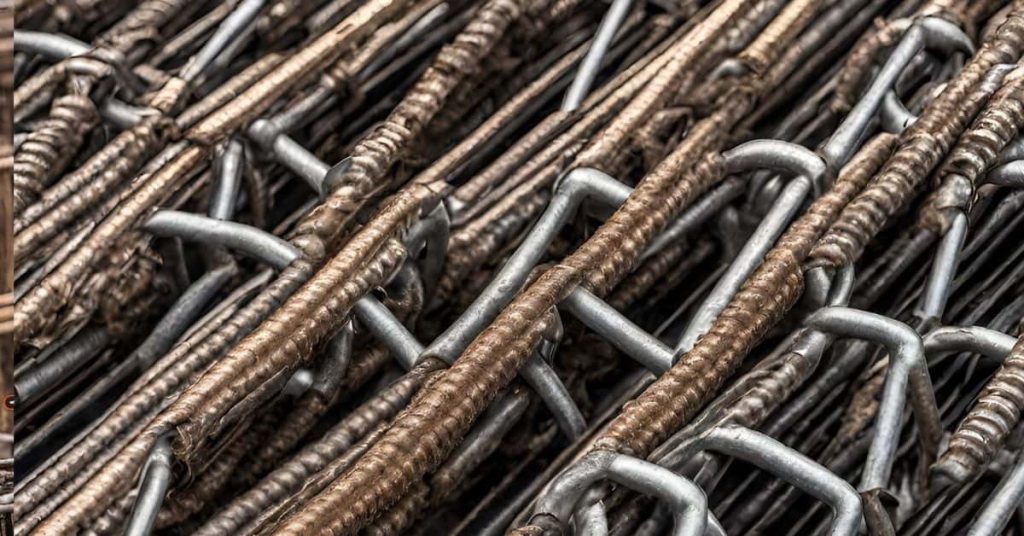
Close-up of rusted steel rebar tied with metal wire chairs

Plastic Rebar Chairs vs Wire Chairs: Avoiding Rust Staining and Punch-Through

Introduction Plastic rebar chairs are non-metal, lightweight supports that keep rebar off the form and away from the wet concrete. Unlike wire chairs, they won’t rust and stain the concrete, which helps with a cleaner pour. Check that the chairs are rated for the cover you need and compatible with your rebar size before using.

Plastic Rebar Chairs vs Wire Chairs: Avoiding Rust Staining and Punch-Through Read More »

Unfinished basement with concrete block walls and wooden stairs

Isolation Joints Under Walls and Thresholds: Compressible Fillers That Don’t Squish Out

Introduction Isolation joints under walls and thresholds use compressible fillers to bridge gaps and accommodate movement. Common options include soft, elastic fillers like silicone or rubber that resist squishing out and stay in place as concrete cures. Always check the product label and manufacturer guidance for expansion limits and compatibility with concrete and sealants. Install

Isolation Joints Under Walls and Thresholds: Compressible Fillers That Don’t Squish Out Read More »

Closeup of power drill chuck with drill bit attached

Thickened-Edge Slabs vs Grade Beams: Choosing the Simpler Detail That Still Meets Loads

Introduction Thickened-edge slabs and grade beams are two ways to carry loads from the surface to the soil. This article tells you how to pick the simpler option that still meets the load needs. I’ll keep it practical and straight to the point for a DIY build. You’ll get a plain-language view of when a

Thickened-Edge Slabs vs Grade Beams: Choosing the Simpler Detail That Still Meets Loads Read More »

Hand applying white plaster with metal putty knife

Lime Putty Storage and Aging: What ‘Mature’ Lime Changes in Workability and Strength

Introduction Aging lime putty changes its workability and strength with time. Store it in breathable containers and keep it from direct moisture and temperature swings. In practice, older lime can feel different to work with than fresh material; check the manufacturer’s storage guidance for specifics. What you notice in the mix tells you how mature

Lime Putty Storage and Aging: What ‘Mature’ Lime Changes in Workability and Strength Read More »

Slate roof with metal flashing under golden sky

Window Head Flashing Behind Stucco: Drip Caps, End Dams, and How to Stop Head Leaks

Introduction Window head flashing behind stucco is a weatherproofing detail that directs water at the top of the window away from the opening. It often relies on drip caps, end dams, and proper sealing to shed water behind the stucco rather than into the wall. When you’re working, look for gaps, torn flashing, or loose

Window Head Flashing Behind Stucco: Drip Caps, End Dams, and How to Stop Head Leaks Read More »

white decorative plaster ceiling panels with geometric patterns

Stucco Delamination at Plywood Shear Panels: Why It Happens and How to Rebuild the Assembly

Introduction Stucco delamination at plywood shear panels occurs when the stucco separates from the plywood backing, usually due to moisture intrusion and substrate movement. That separation shows up as cracks, bubbling, or flaking, and it weakens the exterior assembly. It’s a hands-on issue you can diagnose by looking for soft spots, damp patches, or loose

Stucco Delamination at Plywood Shear Panels: Why It Happens and How to Rebuild the Assembly Read More »

Close-up of a large crack in a stucco wall

Stucco Soffits and Overhangs: Crack Control at Framing Transitions and Vent Cutouts

Introduction Stucco soffits and overhangs are the sheltered edges under the roof where it meets the wall, and cracking happens where framing moves or openings exist. This article walks you through noticing those cracks early and keeping moisture out. You’ll learn simple, hands-on checks you can perform during a DIY project and what to fix

Stucco Soffits and Overhangs: Crack Control at Framing Transitions and Vent Cutouts Read More »